Rare South American toads hatch young under skin at Chester Zoo
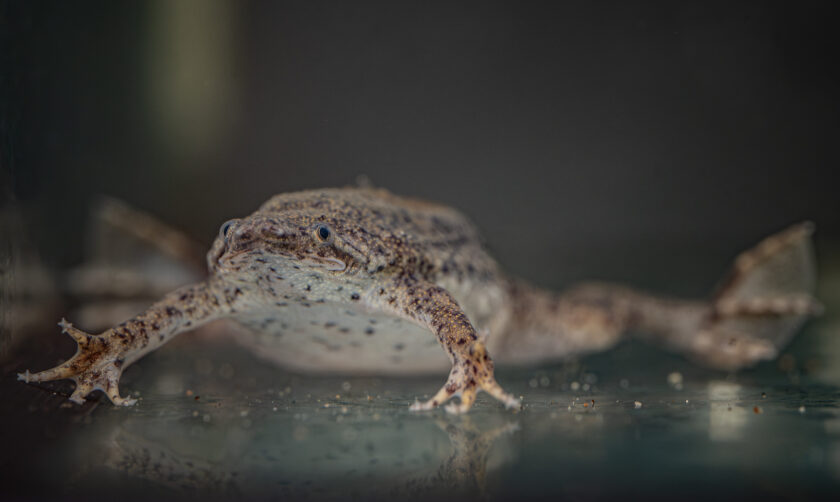
Surinam toads have bred at Chester Zoo for the first time, marking a milestone for a species rarely seen in UK collections.
The aquatic toads, native to South America, are known for a distinctive reproductive process in which developing young are carried beneath the skin of the female’s back.
Four Surinam toads, the first to live at the zoo, are now on display in a newly created habitat inside the Tropical Realm.
The species does not lay spawn in water in the way most frogs do. Instead, after mating, the pair perform a backflip which flips the eggs onto the female’s back.
The male then presses the eggs into her skin, where they become enclosed as the skin grows around them.
Adam Bland, assistant team manager for amphibians at Chester Zoo, said the successful breeding offered an opportunity to help visitors learn more about amphibians.
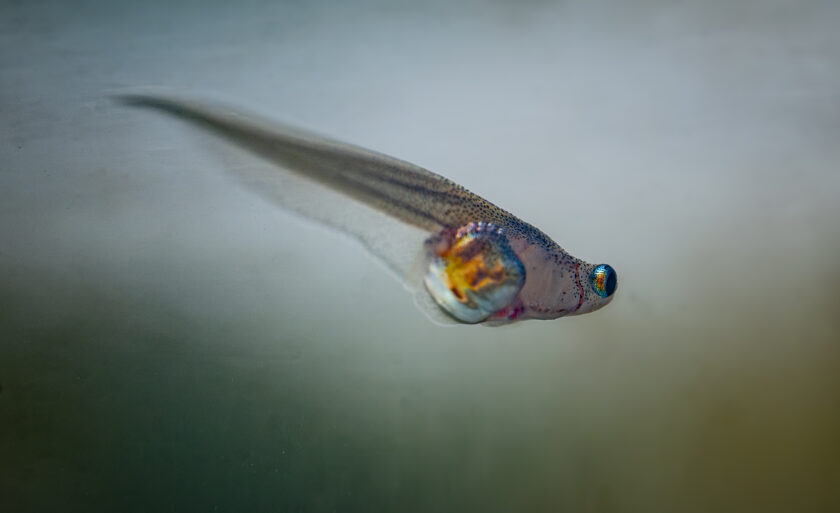
He said: “After implantation, the skin grows around these little white blobs in just a few hours. It’s a really quick process. The tadpoles form under her skin until they’re ready, and then they burst free and swim out from holes in her back.
“It’s incredible to watch how this unique strategy has evolved in these toads.”
The four toads have been named Ripley, Lambert, Ash and Dallas, after characters from the Alien films, in reference to their unusual life cycle.
Surinam toads spend their entire lives underwater and have flattened bodies which allow them to blend into leaf litter on riverbeds.
They use star-shaped sensory structures on their fingers to detect movement and locate prey in muddy water.
Although the adults invest heavily in carrying their young, the tadpoles are vulnerable once they emerge.
“They’re extremely greedy and will eat almost anything that moves,” Mr Bland said. “We remove the tadpoles quickly to give them the best possible chance of survival.”
Unlike most frogs, the species does not croak. Instead, it produces a soft clicking sound made by moving small bones inside its body.
Mr Bland said working with unusual species such as the Surinam toad could help improve understanding of amphibians at a time when many are declining globally.
“They aren’t animals people expect to see,” he said. “But that’s exactly why they’re so effective for helping people understand how amphibians live and why we’re trying to prevent their extinction.”
Check live fuel prices near you before you set off.
Spotted something? Got a story? Email news (@) deeside.com

NEW: Add Deeside.com as a preferred source on Google to see more of our trusted coverage when you search.
Latest News