Meet the golf ball-sized monkey born at Chester Zoo
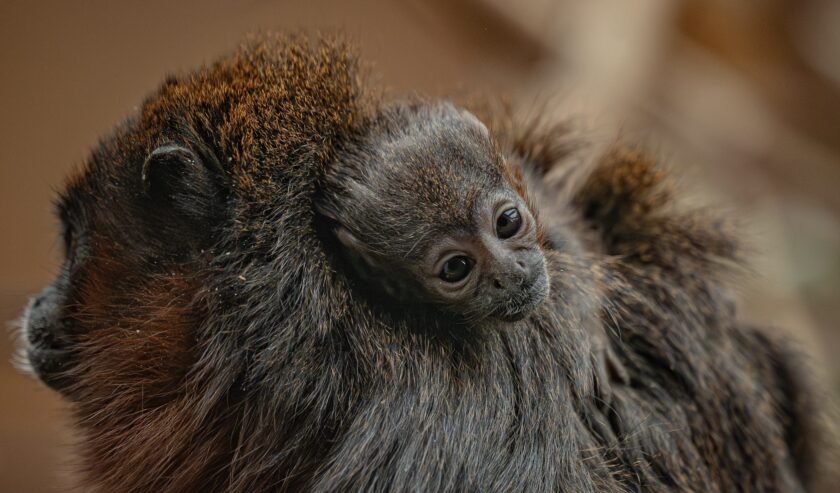
Conservationists are celebrating the birth of a rare coppery titi monkey at Chester Zoo, the first of its kind to arrive at the charity in its 94-year history.
Zookeepers spotted the tiny youngster clinging to its parents Scout and Ned during early morning checks.
The pair arrived at the zoo in March as part of an international breeding programme designed to safeguard the species.
The newborn is around the size of a golf ball and will grow to about 30cm tall when fully developed.
Native to South America, coppery titi monkeys are under threat from deforestation, hunting and the illegal wildlife trade.
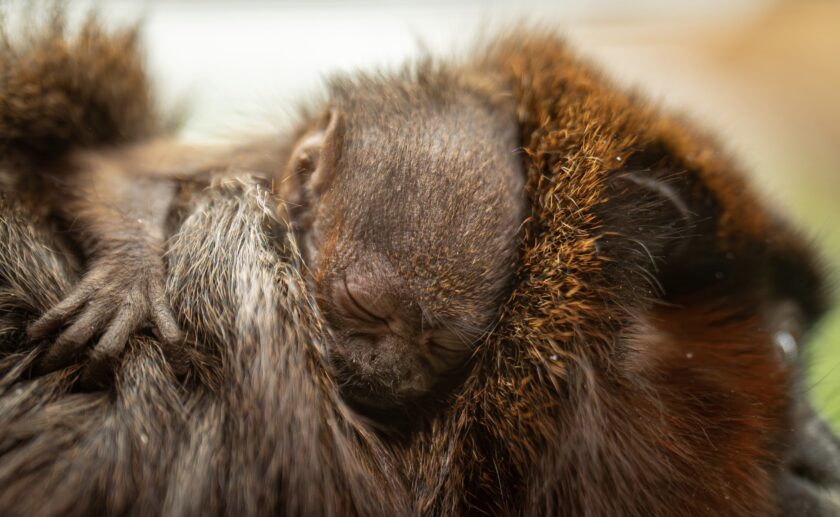
Holly Webb, Primate Keeper at Chester Zoo, said: “It’s always a joy to welcome any new addition, but the birth of the very first coppery titi monkey here at Chester Zoo is an extra special moment.”
“Right now, the baby is no bigger than a golf ball – but it’s bright-eyed, healthy and already full of confidence, clinging tightly as mum and dad as they leap through the treetops.”
“One of the most fascinating things about titi monkeys is their parenting behaviour, with dads playing a really active role in raising their young. It’s dad Ned who is doing most of the carrying, while mum Scout steps in for nursing and to give Ned a well-earned rest.”
“With the baby still so tiny and tucked firmly into its parents’ fur, it’ll be a few more weeks until it begins to explore on its own. Once it starts venturing out, we’ll be able to determine whether it’s male or female and then choose the perfect name for this precious new arrival.”
“Their strong co-parenting bond, alongside their incredible social lives and small stature, is what makes this species so incredibly fascinating. But they face an uncertain future in the wild, with increasing pressures from logging and the illegal pet trade.”
“We’re hopeful though, that this family unit will grow over time and continue to play a vital role in the conservation breeding programme that’s safeguarding the species.”
Coppery titi monkeys are known for their striking red fur, grey faces and bushy tails.
They are monogamous primates that form lifelong pairs and are often seen grooming, cuddling and intertwining their tails.
The species also play an important ecological role as seed dispersers in South America’s rainforests.
Check live fuel prices near you before you set off.
Spotted something? Got a story? Email news (@) deeside.com

NEW: Add Deeside.com as a preferred source on Google to see more of our trusted coverage when you search.
Latest News