Conservation success marks Natterjack Toad return to Flintshire
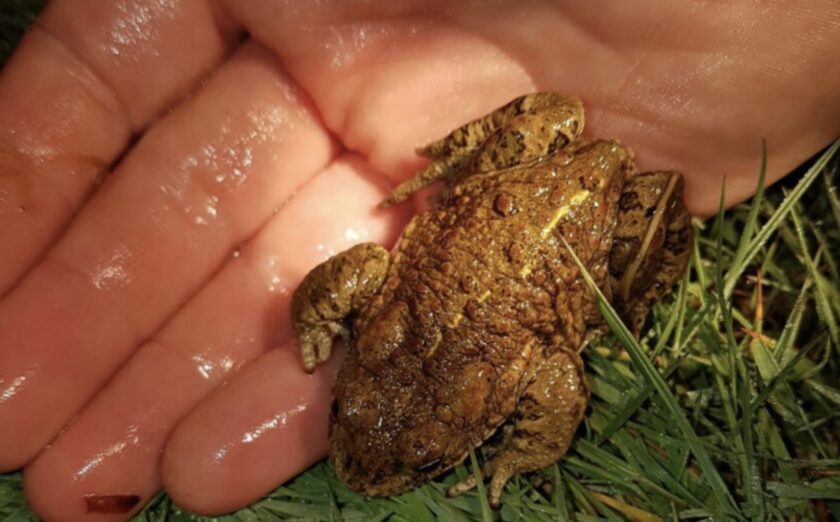
Conservationists are celebrating the 30-year anniversary of the successful reintroduction of the natterjack toad to the Flintshire coast.
The natterjack, Wales’s rarest amphibian, was reintroduced to Gronant Dunes and Talacre Warren Site of Special Scientific Interest after becoming locally extinct. The species is known for its distinctive yellow stripe and the loud mating call made by males during the breeding season.
The project began in 1995, when organisations including Natural Resources Wales, Flintshire and Wirral coastal ranger teams, Eni UK and the Amphibian and Reptile Conservation Trust worked together to establish new populations.
More than 22,000 tadpoles were translocated over a five-year period from Sefton and Ainsdale National Nature Reserves on the Merseyside coast to specially created scrapes at Talacre.
In 1997, Flintshire County Council’s Countryside Services ranger team recorded the first adult natterjacks returning to breed at one of the scrapes. Rangers identified three of the first adults by distinctive markings and nicknamed them Smudge, Gappy and One Eye.
The work later expanded through a partnership with Presthaven Sands caravan park. In 2003, 11,000 tadpoles were moved from Talacre to newly created scrapes at Gronant, with further plans to extend the habitat into neighbouring Denbighshire.
Adult toads were recorded breeding at Gronant within three years, and the population continued to grow.
Since then, Flintshire rangers and volunteers have worked alongside Eni UK and Presthaven Sands staff to manage habitats and protect the toads from predators, visitor pressures and extreme weather.
Eni UK and Liverpool Bay CCS said the programme has seen steady growth in numbers, with recent peak counts recording 248 spawn strings and 218 adult toads across the sites.
The project has also been used to engage schools, volunteers, students and local communities with conservation work at Talacre.
Site ranger Tim Johnson said: “A lot of work is carried out every year to maintain the habitat for the toads and their numbers are monitored closely as there are always new challenges to face.
“This year a population of crabs washed into one of the scrapes which had to be captured and moved back onto the salt marsh. It is worth all the effort though, especially when you hear the males singing their chorus waiting for the females to arrive.”
Recent monitoring shows continued breeding success. At Bettisfield, 10 strings of eggs were recorded during the 2024 breeding season, while Talacre recorded well over 100 strings, indicating at least 100 breeding females.
Flintshire councillor Chris Dolphin said: “Partnerships like this are so important in looking after the wildlife we have on our doorsteps.
“I would like to thank Eni UK and Presthaven Sands for their support in these partnerships and for all the work their staff and volunteers do year after year. Also thank you to ARC for their continued support to all the other organisations involved.
“It shouldn’t be forgotten that these special toads were once extinct in Wales and are now thriving right here in North Wales and in particular in Flintshire.”
Check live fuel prices near you before you set off.
Spotted something? Got a story? Email news (@) deeside.com

NEW: Add Deeside.com as a preferred source on Google to see more of our trusted coverage when you search.
Latest News