Biosecurity plans set for Dee Estuary to tackle invasive non-native species like Chinese Mitten Crabs
Natural Resources Wales (NRW) has unveiled an innovative biosecurity plan aimed at curbing the threat of invasive non-native species in the Dee Estuary.
This initiative is a part of NRW’s commitment to fostering healthier and more resilient habitats and species.
Boasting a coastline of approximately 1,700 miles, Wales is a vibrant hub for a plethora of native marine creatures.
However, with the increase of non-native species establishing in Welsh waters, this biodiversity is under threat.
Certain invasive non-native species (INNS) pose significant risks to our native wildlife and habitats, economy, and even our wellbeing.
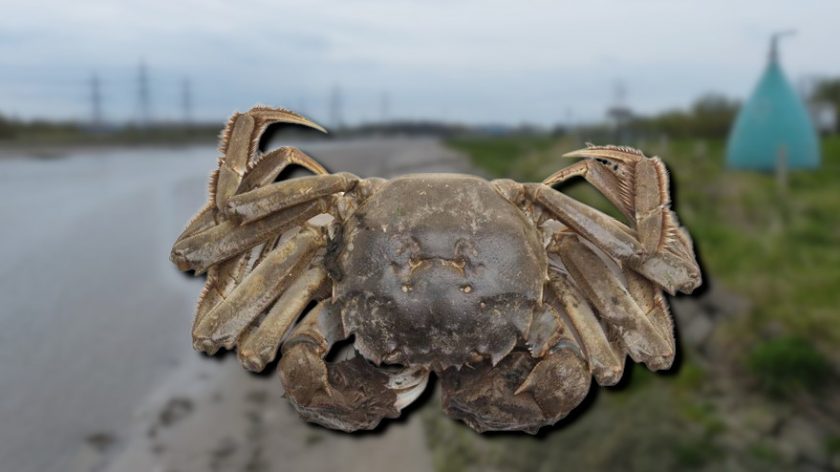
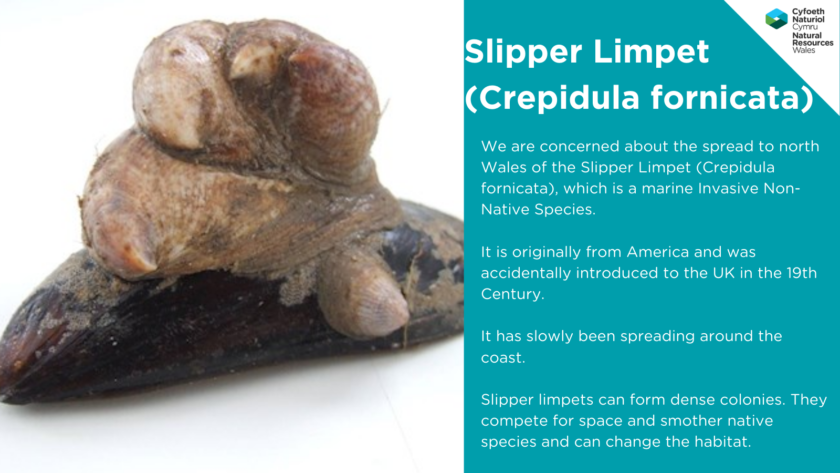
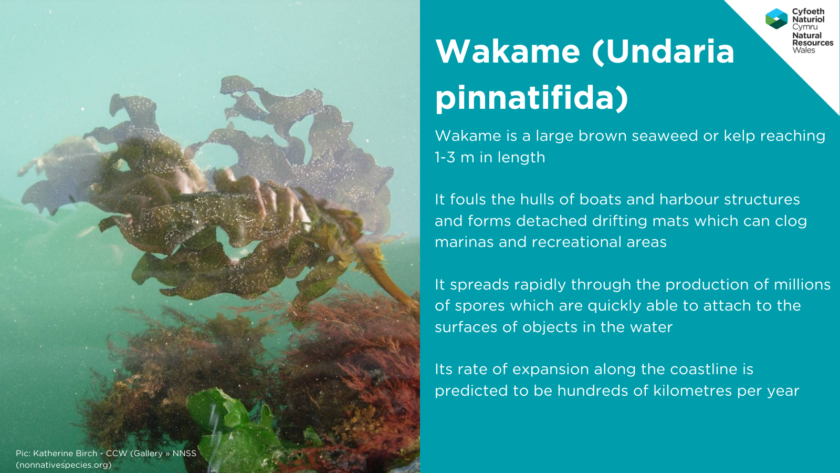
A few of the INNS causing concerns in Wales’ marine environments include the Slipper Limpet, Chinese Mitten Crabs (pictured above), and Wakame, each of which can have a detrimental effect on the local marine ecosystem.
NRW’s project seeks to address this issue, focusing on the implementation of biosecurity plans across six Marine Protected Areas in Wales, including the Dee Estuary.
The project, funded by the Welsh Government’s Nature Networks programme, aims to mitigate the risk of INNS arriving and spreading.
“We have a good idea of which marine invasives are present in Wales and the potential impacts they pose on our native habitats and species.”
“Now we need to prevent them from arriving in the first place and spreading further in Wales,” explained Holly Peek and Chloe Powell Jennings from NRW.
INNS can infiltrate our waters in various ways: via the hulls of boats, in ballast water, with aquaculture stock, and even through the attachment to wet gear or kit from sporting or recreational activities.
They can cause significant damage once established, often leading to habitat degradation, predation, competition for space and food, and potential disease introduction.
Under the marine Invasive Non-Native Species Biosecurity Planning project, research will be conducted to formulate biosecurity plans to be implemented in six of Wales’ Marine Protected Areas.
These areas include Dee Estuary SAC, Menai Strait and Conwy Bay SAC, Cardigan Bay SAC, Pembrokeshire Marine SAC, Carmarthen Bay and Estuaries SAC, and the Severn Estuary SAC.
The NRW initiative highlights the urgency of protecting our marine environments from INNS, and reinforces the importance of maintaining the diversity and health of our oceans on this World Ocean Day and beyond.
Check live fuel prices near you before you set off.
Spotted something? Got a story? Email news (@) deeside.com

NEW: Add Deeside.com as a preferred source on Google to see more of our trusted coverage when you search.
Latest News