Welsh Ambulance Service launches new purple cardiac arrest category
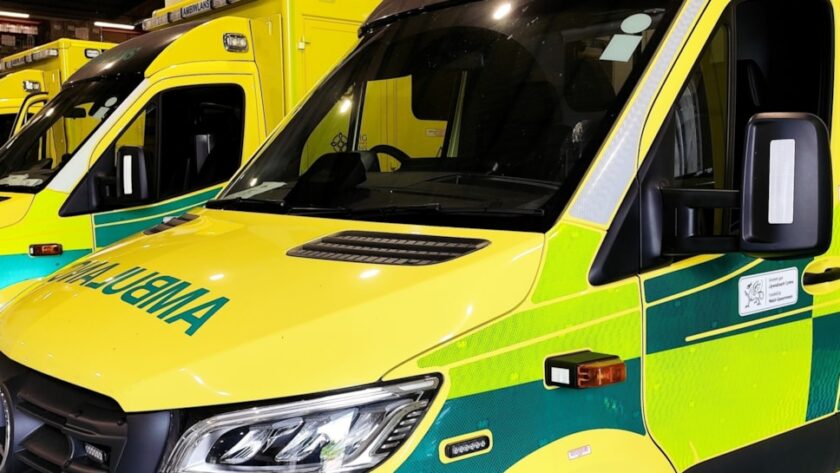
A new ambulance performance framework is being introduced in Wales from Tuesday, 1 July to improve survival rates from out-of-hospital cardiac arrests and speed up ambulance responses for the most critical 999 calls.
The Welsh Ambulance Service will create two distinct categories for the most serious emergencies: a purple category for suspected cardiac and respiratory arrests, and a red category for other life-threatening emergencies, including those at high risk of arrest due to illness or injury.
The new purple category separates cardiac arrests from other emergencies, which were previously grouped together.
Ambulances will aim to respond to both purple and red calls within an average of six to eight minutes.
However, the primary performance measure for purple calls will shift from response times to patient outcomes — specifically, the percentage of patients who have their heartbeat restored before arrival at hospital.
Cabinet Secretary for Health and Social Care Jeremy Miles said: “Until now, cardiac arrests have been categorised in the same way as less critical problems like breathing difficulties. This new approach ensures ambulance teams prioritise people with the most urgent needs.”
Welsh Ambulance Service Chief Executive Jason Killens added: “Shifting the focus to how many people survive a life-or-death emergency because of our interventions, rather than how many minutes it takes us to arrive, is an important step.”
For all other 999 calls that do not fall into the purple or red categories, rapid clinical screening will be conducted to provide a tailored response that may not always involve an ambulance but is appropriate to the patient’s condition.
To support the new framework, an additional £500,000 has been allocated for 500 more Automated External Defibrillators (AEDs) to be placed in communities across Wales.
From 1 July, the Save a Life Cymru programme will be incorporated into the Welsh Ambulance Service to promote CPR awareness and AED availability.
The Welsh Government has also announced a National Handover-45 Taskforce to reduce ambulance handover delays at hospital emergency departments, aiming for handovers within 45 minutes, with an aspirational target of 15 minutes wherever possible.
The taskforce will be led by senior NHS Wales leaders and will support the delivery of new clinical pathways in the community, alongside improvements in emergency department processes.
The taskforce will also focus on community-based responses for falls and breathlessness, which are the two most common reasons for 999 calls in Wales.
Health boards and the ambulance service aim to reduce unnecessary hospital admissions following falls by 10% by December 2024 and 25% by March 2026.
An additional £18.8 million has been allocated to health boards to support the Six Goals for Urgent and Emergency Care programme, which aligns with the objectives of the taskforce.
Check live fuel prices near you before you set off.
Spotted something? Got a story? Email news (@) deeside.com

NEW: Add Deeside.com as a preferred source on Google to see more of our trusted coverage when you search.
Latest News