What the Building Safety Act Means for Welsh Sites
Most of the noise around the Building Safety Act 2022 has been about high-rise blocks in English cities, so it’s easy to assume it doesn’t touch sites in Wales. It does. The Act extends across both England and Wales, and the bits that matter most to everyday site work aren’t about tower blocks at all. It’s worth knowing that the higher-risk building rules are written around England, and Wales is bringing in its own version through the Building Safety (Wales) Bill.
The competence duties are on their way to Welsh sites too. Wales is bringing its own dutyholder and competence regime into force on 1 July 2026, so if you supervise a school build in Wrexham or a housing scheme in Flintshire, those rules will soon apply to you directly.
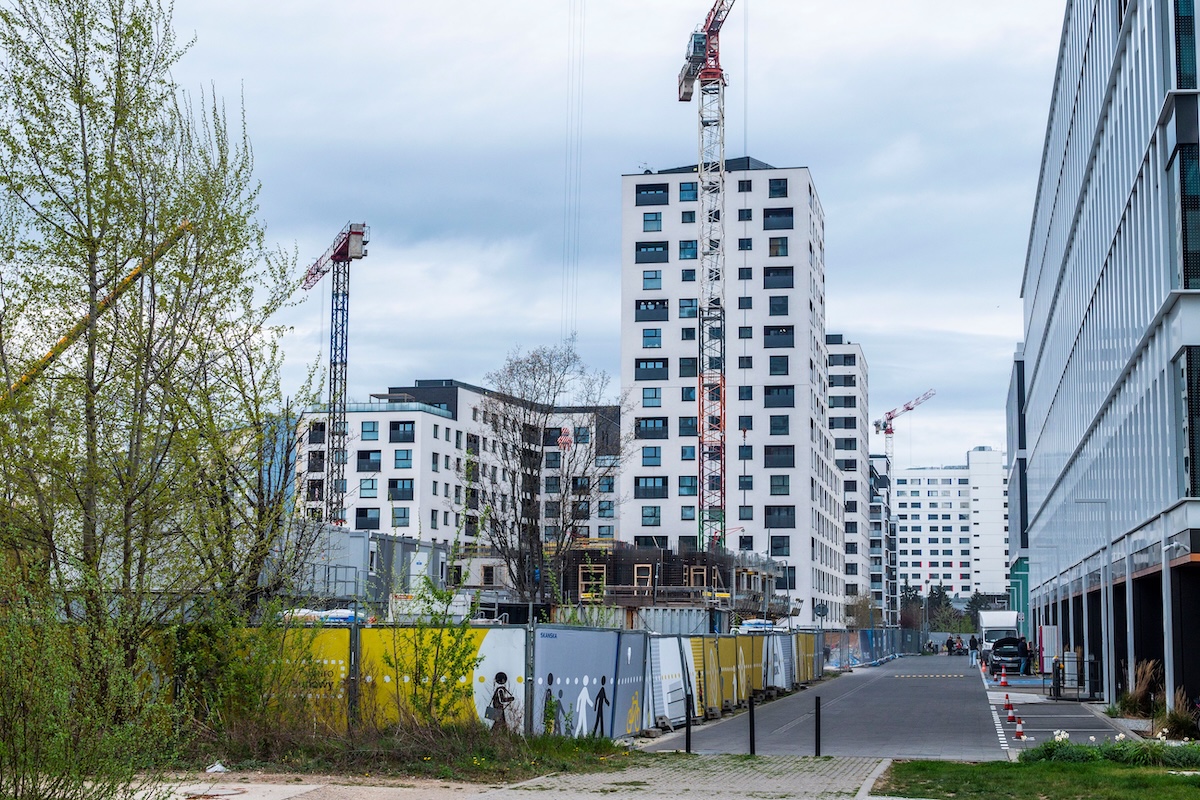
Photo by SHOX ART: https://www.pexels.com/photo/urban-construction-site-with-building-cranes-31656151/
Why the Act Reaches Beyond High-Rise Buildings
The headline parts of the Act deal with higher-risk buildings. In England these are defined as buildings that are at least 18 metres tall or have at least seven storeys and contain at least two residential units. That’s the part the news tends to cover. But the Act also sets out a wider duty around competence that doesn’t care how tall the building is.
In plain terms, anyone carrying out or supervising construction work needs to show they have the right skills, knowledge and experience for the job. That duty underpins most day-to-day site activity, from groundworks on a small housing plot to refurbishment on a public sector contract. Principal contractors are now expected to check this, not just assume it.
So while the higher-risk building regime grabs attention, the competence requirements are what most workers and supervisors in North Wales will actually run into.
How Wales Differs from England
Building regulation is a devolved matter, which means the Senedd can take its own decisions on how buildings are designed and constructed in Wales. Over time this has created differences between Welsh and English Building Regulations, particularly around fire safety and energy performance.
For anyone working across the border, this matters. A detail that’s signed off in Cheshire might not meet the Welsh requirement, and the responsibility for knowing the difference often lands on the supervisor running the job. That gap has widened recently. The Building (Amendment) (Wales) Regulations 2025 banned the kind of metal composite material used at Grenfell on all Welsh buildings and lowered the fire safety height threshold for a material change of use from 15 metres to 11 metres. It’s worth checking which set of regulations applies before work starts, especially on housing where the Welsh rules have moved in their own direction.
You can find the current Welsh requirements on the Welsh Government website, which keeps the approved documents up to date.
Proving Competence on Site
This is where a lot of smaller contractors get caught out. During site inductions, principal contractors increasingly ask for evidence that supervisors can do the job safely, and a verbal assurance no longer cuts it. They want a recognised qualification on record.
For supervisors, the SSSTS course is one of the qualifications commonly used to show that someone understands their health and safety responsibilities at supervisory level. It’s a two-day, CITB-approved programme covering risk assessments, working at height, CDM regulations and site hazards, and the certificate is valid for five years. Plenty of supervisors in the region take it simply because it’s the thing they get asked for at the gate.
The point isn’t the bit of paper itself. It’s that the Act has pushed competence from something assumed to something you have to demonstrate, and qualifications like this are how you do that in practice.
What Site Workers Should Do Next
If you’re a supervisor or worker on a Welsh site and you’re not sure where you stand, a few practical steps will keep you on the right side of things:
- Check whether your current health and safety qualifications are still in date
- Confirm which set of Building Regulations applies to your project, England or Wales
- Ask your principal contractor what competence evidence they’ll want at induction
- Renew any expiring certificates before they lapse, since the one-day SSSTS Refresher costs less than retaking the full two-day course
None of this needs to be complicated, but leaving it until you turn up on the first morning is a quick way to lose a day’s work.
Wrapping Things Up
The Building Safety Act 2022 isn’t just an English issue, and it isn’t only about tall buildings. For sites across Flintshire, Wrexham and the rest of North Wales, the real change is the way competence now has to be proven instead of taken on trust. If you keep your qualifications current and know which regulations apply to your job, you’ll have far fewer headaches when the site induction comes around.
Check live fuel prices near you before you set off.
Spotted something? Got a story? Email news (@) deeside.com

NEW: Add Deeside.com as a preferred source on Google to see more of our trusted coverage when you search.
Latest News