North Wales’ Most Dangerous Roads for Motorcyclists
North Wales pulls in thousands of riders every year, drawn by the bends and the scenery. But a handful of routes keep showing up in the serious casualty figures for all the wrong reasons. If you ride here regularly, it’s worth knowing where the real danger sits and what to do if things go wrong, so it pays to know what you’re riding into.
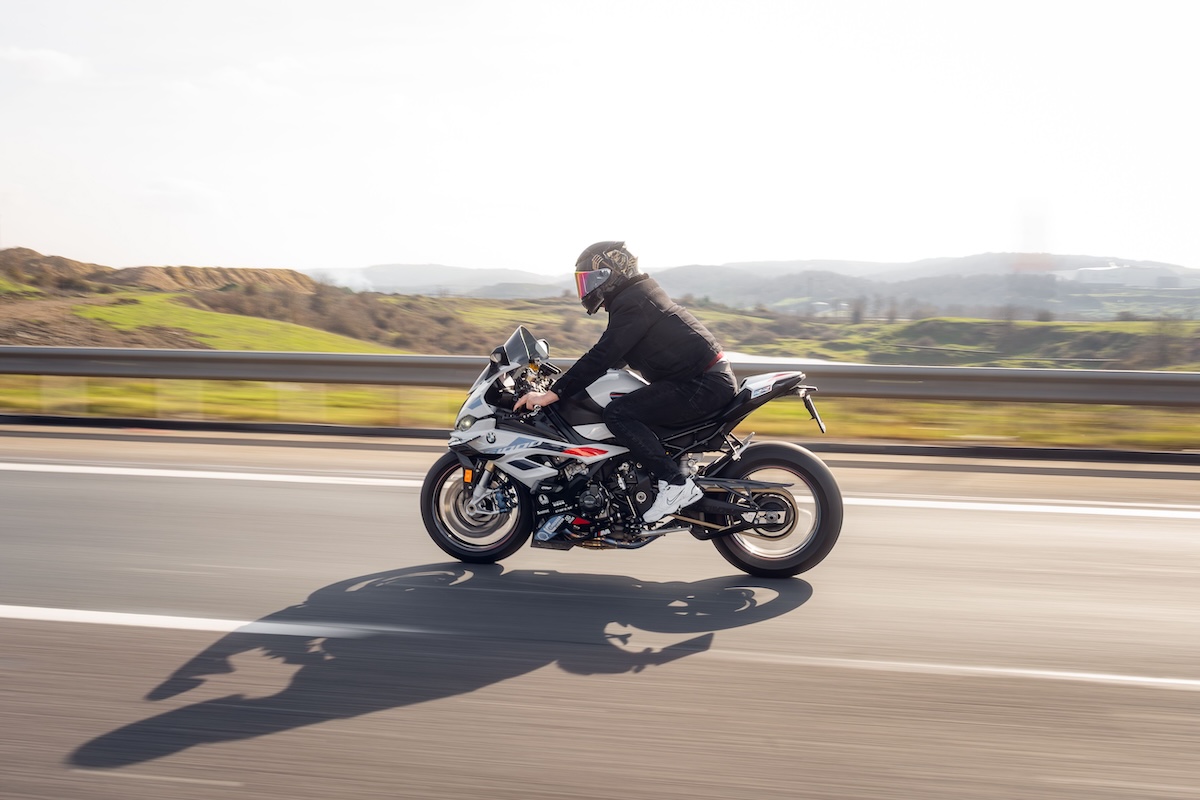
Photo by Oktay Köseoğlu: https://www.pexels.com/photo/motorcyclist-riding-on-open-highway-in-daylight-35837810/
The Routes That Keep Appearing in the Data
The A543 across the Denbigh Moors is the one most riders will recognise. It’s fast, open and deceptively tricky, and it has seen multiple fatal motorcycle collisions over the years. That record, on the stretch riders know as the Evo Triangle, led to a £500,000 Welsh Government-funded safety scheme. Average speed cameras were installed on the A543 in 2019, with Denbighshire and Conwy councils leading the project.
The A5 through Eryri (Snowdonia) is another known hotspot, with fatal bike crashes recorded around Capel Curig and Betws-y-Coed. It carries a heavy mix of tourists, coaches, lorries and bikes, often on the same weekend. Overtaking pressure builds up behind slow traffic, and that’s where mistakes happen. The A494 between Ruthin and Mold rounds out the list, with tight high-speed bends and limited visibility that catch people out.
North Wales Police figures show why this matters. In 2023, 89 motorcyclists were killed or seriously injured in the region, and bikers made up roughly a third of all serious casualties despite being a small share of traffic. Most serious collisions involve a small number of repeat factors, which we’ll break down next.
Why These Roads Are So Risky
A lot of it comes down to the surface. Rural Welsh roads take a battering from weather and farm traffic, so you’ll find loose chippings, potholes and worn edges right where you need grip the most. Add a damp morning and a fast bend, and the margin for error drops fast.
Then there’s the human side. Agricultural vehicles pull out of field gates with little warning, and weekend overtaking on busy stretches is a common cause of head-on crashes. Visibility plays a part too, because many of these bends hide oncoming traffic until the last second. Understanding what makes these stretches dangerous is one thing. Knowing what to do when something goes wrong is another.
On trunk roads like the A5 and A494, the responsible authority is the Welsh Government, not the local council. The A543, however, is managed by Denbighshire and Conwy councils, so the authority you’d pursue for a road defect depends on which route you were riding. It’s worth checking before you assume who to contact.
What to Do After a Crash on a Rural Welsh Road
Out on the Denbigh Moors or deep in Eryri, phone signal is patchy and ambulance response times run longer than they would in town. That changes how you should handle the first few minutes. If you can, get yourself and your bike out of the carriageway and make yourself visible to other traffic before you do anything else. Once you’re safe, try to gather what you can:
- Photos of the scene, road surface and any visible defects
- The other driver’s details and vehicle registration
- Names and numbers of any witnesses
- The exact location, using a landmark or what3words if signal allows
That evidence matters later, especially if the road itself played a part. A pothole or poor surface can shift some or all of the blame onto the responsible highway authority, and clear photos taken on the day are far stronger than anything gathered weeks afterwards.
What Happens With Your Claim?
Collecting evidence at the scene is only half the job. What you do with it afterwards can make the difference between a quick recovery and months of chasing paperwork. When a crash isn’t your fault, going straight to your own insurer can mean delays and an excess to find. One alternative is to use a service that deals directly with the at-fault driver’s insurer instead.
Some services work this way, handling recovery, specialist repairs and a replacement bike so you stay on the road. It’s also worth knowing your options for specialist motorbike crash claims when liability isn’t clear cut, such as a road defect, a shared-fault scenario, or a maintenance failure under the Highways Act 1980.
Are the Safety Measures Actually Working?
North Wales has put real effort into the problem. Operation Apex, the motorcycle safety campaign formerly known as Operation Darwen, runs from spring to autumn each year.
Average speed cameras and high-visibility patrols have been the main tools used to tackle the problem, though the casualty figures have fluctuated rather than falling in a clear line. The cameras do seem to calm speeds on the stretches they cover, which is a genuine win on a road like the A543.
The trouble is that some riders simply move to quieter alternative roads to keep their pace up. That can push the risk somewhere else rather than removing it. Enforcement helps, but it works best alongside better surfaces and clearer signage, which take longer and cost more to deliver.
Know the Roads, Know Your Rights
The A543, A5 and A494 earn their reputation, and the casualty data backs it up. Poor surfaces, blind bends and overtaking pressure are the threads running through most serious crashes here. Ride them with that in mind, keep your evidence-gathering habits sharp, and know who to call if a non-fault crash leaves you off the road.
Check live fuel prices near you before you set off.
Spotted something? Got a story? Email news (@) deeside.com

NEW: Add Deeside.com as a preferred source on Google to see more of our trusted coverage when you search.
Latest News