What Makes a Perfume Truly “Premium” Beyond the Price Tag
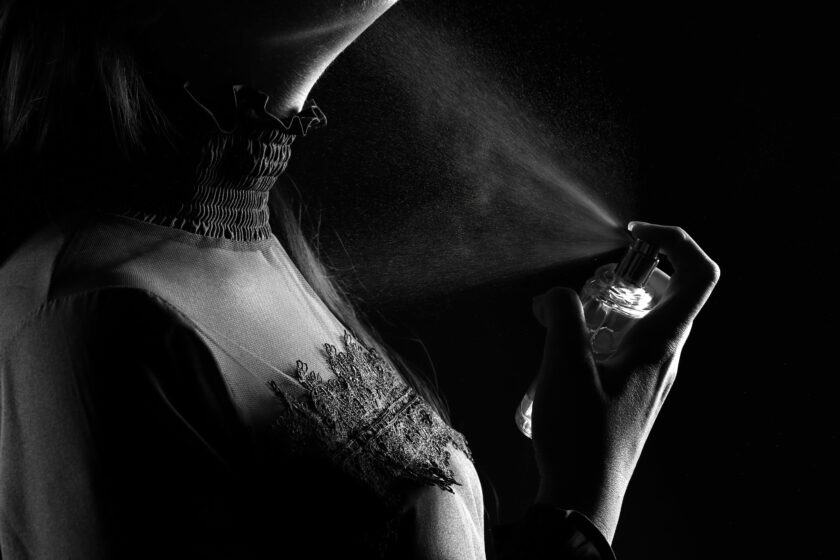
The global fragrance market has evolved far beyond a simple equation of price and prestige. While premium perfumes often command higher costs, the true measure of quality extends well beyond the number on the label. Discerning consumers are increasingly aware that a fragrance’s value lies in its composition, craftsmanship, performance, and the experience it delivers over time. In this context, the idea of “premium” has become more nuanced, shaped by both technical excellence and emotional resonance.
At the surface level, luxury fragrances are often associated with branding, packaging, and marketing narratives. Yet these visible elements only tell part of the story. Behind every high-quality perfume lies a complex interplay of raw materials, formulation expertise, and creative direction. Understanding what defines a premium fragrance requires looking deeper into the artistry and science that shape how a scent is developed and experienced.
Among widely recognised examples, collections such as lancome perfume, one of the best women’s perfumes, illustrate how premium fragrances are often defined not only by heritage and recognition but also by consistency in formulation, balance, and wearer experience. However, even within established brands, not every product qualifies as truly premium, highlighting the importance of evaluating quality beyond reputation alone.
The Role of Raw Materials in Defining Quality
One of the most significant factors in determining a perfume’s premium status is the quality of its ingredients. High-end fragrances often utilise carefully sourced raw materials, including natural extracts and advanced synthetic compounds designed to replicate rare or delicate scents.
Natural ingredients such as jasmine, oud, rose, or sandalwood require extensive cultivation and processing, contributing to both their cost and their complexity. However, premium perfumery is not limited to natural materials. Modern fragrance chemistry allows for the creation of synthetic notes that are more stable, sustainable, and sometimes even more refined than their natural counterparts.
The distinction lies in how these materials are selected and combined. Premium fragrances typically demonstrate clarity and depth, with each note contributing to a cohesive structure rather than competing for attention. Inferior compositions may rely on overpowering top notes or overly simplistic blends that lack evolution over time.
Composition and Olfactory Structure
A defining characteristic of a high-quality perfume is its structure. Fragrances are built in layers, commonly referred to as top, heart, and base notes. The way these layers interact determines how a scent develops from the moment it is applied to how it lingers hours later.
Premium perfumes are designed with a sense of progression. The initial impression transitions smoothly into deeper, more complex notes, creating a dynamic experience rather than a static scent. This evolution is often subtle but essential, reflecting the skill of the perfumer in balancing volatility and longevity.
In contrast, lower-quality fragrances may lack this refinement, fading quickly or remaining one-dimensional. The absence of a well-defined structure often results in a scent that feels flat or overly synthetic.
Longevity, Projection and Sillage
Performance is another critical factor in evaluating a perfume’s quality. Three key aspects are typically considered: longevity (how long the scent lasts), projection (how far it radiates), and sillage (the trail it leaves behind).
Premium fragrances tend to strike a balance between these elements. They are long-lasting without being overwhelming, noticeable without dominating a space. This balance is achieved through careful formulation and concentration, ensuring that the fragrance interacts harmoniously with the wearer’s skin.
Importantly, premium does not necessarily mean stronger. In recent years, there has been a shift towards more subtle, skin-like scents that prioritise intimacy over intensity. This reflects a broader change in consumer preferences, where understated elegance is often valued more highly than overt projection.
The Influence of Skin Chemistry
No discussion of fragrance quality is complete without considering the role of skin chemistry. A perfume does not exist in isolation; it interacts with the wearer’s body, influenced by factors such as temperature, pH levels, and natural oils.
Premium fragrances are often formulated to adapt more effectively to these variables, maintaining their integrity across different skin types. This adaptability contributes to a more consistent and personalised experience, reinforcing the perception of quality.
It also explains why the same perfume can smell different on different individuals. A truly premium fragrance retains its character while allowing for subtle variations, creating a sense of uniqueness for each wearer.
Craftsmanship and the Role of the Perfumer
Behind every premium fragrance is a perfumer, often referred to as a “nose,” whose expertise shapes the final product. These professionals combine artistic intuition with scientific knowledge, selecting and blending ingredients to create a balanced and distinctive composition.
The process of developing a high-quality perfume can take months or even years. It involves multiple iterations, testing, and refinement to achieve the desired effect. This level of craftsmanship is a key differentiator, separating premium fragrances from mass-produced alternatives.
In many cases, the perfumer’s signature style contributes to the identity of the fragrance. Just as in other creative fields, this authorship adds depth and authenticity, enhancing the overall value of the product.
Packaging, Presentation and Brand Narrative
While the scent itself is paramount, packaging and presentation also play a role in defining a perfume’s premium status. High-end fragrances often feature carefully designed bottles, materials, and branding that reflect the identity of the scent.
However, it is important to distinguish between genuine quality and superficial appeal. Premium packaging should complement the fragrance, not compensate for its shortcomings. Increasingly, consumers are looking beyond aesthetics, focusing instead on the substance of the product.
Brand narrative remains relevant, particularly in luxury markets. Stories of heritage, craftsmanship, and inspiration can enhance the emotional connection to a fragrance. Yet these narratives must be supported by tangible quality to be credible.
Sustainability and Ethical Considerations
Modern definitions of premium are also being shaped by sustainability and ethics. Consumers are becoming more conscious of how products are made, including the sourcing of ingredients and the environmental impact of production.
Premium fragrances are increasingly expected to align with these values. This may involve using responsibly sourced materials, reducing waste, or adopting transparent supply chains. While these factors do not directly affect the scent, they contribute to the overall perception of quality and integrity.
Check live fuel prices near you before you set off.
Spotted something? Got a story? Email news (@) deeside.com

NEW: Add Deeside.com as a preferred source on Google to see more of our trusted coverage when you search.
Latest News