Understanding Safety and Data Privacy on Online Psychic Platforms
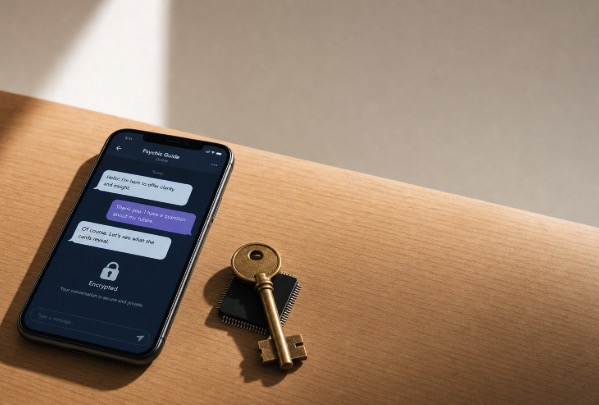
Online psychic platforms manage sensitive personal conversations and payment data, making safety and data privacy top concerns for users. As people increasingly use digital psychic services for guidance, it is important to understand precisely what personal information is collected and what privacy protections are in place.
For those seeking advice or comfort through digital psychic services, knowing how personal information is handled is crucial. The nature of these platforms means that interactions often involve emotional or private subjects, as well as financial transactions. On platforms such as Psychic Today, privacy and security are often major considerations among users deciding whether a service is reputable. Outlining these issues helps you assess the risks and safeguards linked to online psychic platforms.
Types of personal data these services collect
Online psychic platforms typically require you to provide basic account details such as an email address, a username, and a password. This information allows the service to authenticate users and manage essential account functions securely.
Payment processing is another key component, so platforms usually collect billing information and maintain records of transactions for legal and operational purposes. Communication data created from chat sessions, voice calls, or video readings are held to support your interactions and may also be used to ensure user safety or help resolve disputes.
Many services also allow you to share optional information in your profile, such as birth date, interests, or session preferences. These additional details can personalise your experience, but limiting unnecessary disclosures can better protect your privacy. Knowing which details are necessary and which are optional helps you stay in control of your information.
Core privacy practices and transparency standards
Reputable platforms use key principles such as data minimisation, only collecting information needed to provide their services. Purpose limitation ensures your data is used strictly for specified reasons, such as communication, billing, or maintaining security.
Retention periods are another important aspect; your details are stored only as long as necessary, and there is typically the option to request deletion after account closure. Platforms with clear privacy notices and straightforward consent tools enable users to understand and manage their privacy choices. This openness supports trust and allows individuals to make informed choices about their data.
Easy-to-understand privacy information lets you evaluate how your details will be managed. Encountering vague or overly technical privacy notices may indicate a lack of openness. Reviewing privacy policies before sharing sensitive information is an important precaution for protecting your data privacy.
Security features and protective measures for users
Encryption technology such as HTTPS is commonly used to keep information safe while it is sent over the internet. Secure storage using strong encryption and firm access controls helps protect against unauthorised access or misuse by staff or external parties.
Financial transactions are generally protected using secure payment gateways and ongoing fraud monitoring. Access controls restrict staff permissions, and audit logs record changes to user data to encourage accountability and alert staff to suspicious activity. Explaining these measures clearly and updating them regularly can increase their effectiveness and users’ confidence.
Identity checks, active moderation, and clear code-of-conduct rules also help to limit scams, impersonation, or inappropriate behaviour. If issues arise, reporting channels should be in place for prompt response. Additional protections such as strong, unique passwords and multi-factor authentication help users protect their own accounts.
Assessing risks, red flags, and user responsibilities
Some platforms may use unclear privacy statements, fail to disclose all prices, or employ high-pressure sales tactics. Requesting unnecessary personal information or providing weak security options are additional red flags. Checking permissions, subscription settings, and refund policies before using a service can protect your interests.
Practising careful data privacy includes using strong, unique passwords and enabling multi-factor authentication. Limiting the information you provide in profiles or messages can further protect your privacy. Users also benefit from knowing the rights provided under UK data protection law, such as the ability to access, correct, or delete personal data.
Routinely checking your account and thoughtfully managing what you share can help protect your privacy over time. By understanding potential risks and the common security measures on online psychic platforms, you can make safer, more informed choices when using these services.
Check live fuel prices near you before you set off.
Spotted something? Got a story? Email news (@) deeside.com

NEW: Add Deeside.com as a preferred source on Google to see more of our trusted coverage when you search.
Latest News