The Substation Watchdog: How Remote Terminal Units Help Prevent Costly Grid Failures
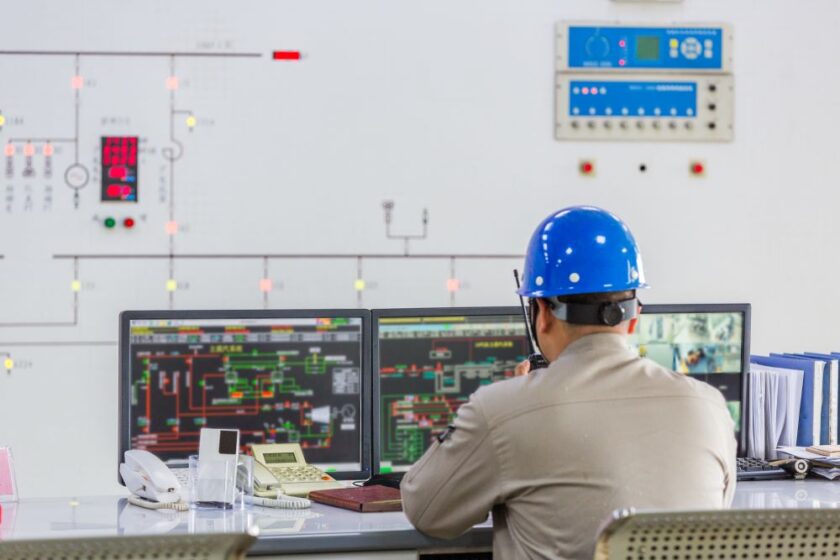
A remote terminal unit (RTU) in substation environments acts much like a watchdog: it observes, reports, connects, and helps operators respond before a technical issue becomes a costly grid failure. Substations contain critical switching, protection, measurement, and communication equipment. When something changes unexpectedly, utilities need reliable information fast.
Without remote visibility, operators may only understand the seriousness of a problem after alarms escalate or customers are affected. With an RTU in substation infrastructure, key status signals and measurements can be transmitted to control systems, allowing operators to detect abnormal conditions earlier and make better decisions.
RTUs Help to Turn Field Data into Operational Decisions
Substations generate many types of operational data: breaker status, switch position, voltage, current, fault indication, communication status, power quality signals, and environmental data. The value of an RTU in substation projects is that it can collect this information and make it available for SCADA, monitoring platforms, or fleet management systems.
This matters because grid failures are rarely caused by a single missing data point. They often develop from a chain of overlooked signals: a failing auxiliary supply, communication instability, repeated fault indications, temperature issues, or unexpected switching activity. When these signals are visible remotely, maintenance teams can act with more confidence.
A practical RTU setup may help utilities to identify abnormal operating conditions earlier and reduce unnecessary field visits by confirming equipment status remotely.
This makes the substation more transparent and easier to maintain. More information about remote terminal unit for grid telemetry and automation can be found at https://elseta.com/products/rtus/ertu/.
It Prevents Failures Through Faster Response
The phrase RTU in substation is often associated with control and telemetry, but its reliability value is broader. A remote terminal unit helps reduce the time between “something happened” and “the right person knows what to do.” That time difference can be expensive.
For example, if a fault indicator reports an event and the RTU communicates it quickly, operators can narrow down the affected area. If a switch position changes unexpectedly, the event can be logged. If communication is lost at a remote site, the issue can be investigated before the next operational need arises. In each case, the RTU helps turn scattered field signals into structured operational awareness.
This is especially important for utilities managing hundreds or thousands of distributed assets. Manual checking does not scale well. Centralized management, secure communication, configuration control, and firmware visibility become essential parts of preventing operational blind spots.
Choosing RTU Architecture for Real Conditions
Not every substation is the same. Some have limited panel space. Some require integration with ring main units or reclosers. Others must support renewables, storage, or multiple communication protocols. This is why modularity matters when selecting an RTU in substation applications.
A modular RTU can be adapted to required inputs, outputs, communication channels, and protocols. It also supports future expansion, which is important because grid requirements change over time. Utilities should evaluate not only the device specification, but also the configuration software, update process, cybersecurity approach, documentation, and technical support behind the product.
The stronger the integration model, the easier it becomes to manage the full lifecycle of substation automation equipment.
The Watchdog Role of RTUs in Reliable Grids
An RTU in substation is not just a communication device. It is a practical reliability layer that helps utilities see what is happening, respond faster, and reduce the risk of avoidable failures. As substations become more digital, compact, and connected, RTUs will remain central to safer, smarter, and more cost-effective grid management.
Check live fuel prices near you before you set off.
Spotted something? Got a story? Email news (@) deeside.com

NEW: Add Deeside.com as a preferred source on Google to see more of our trusted coverage when you search.
Latest News