The History of Welsh Horse Racing
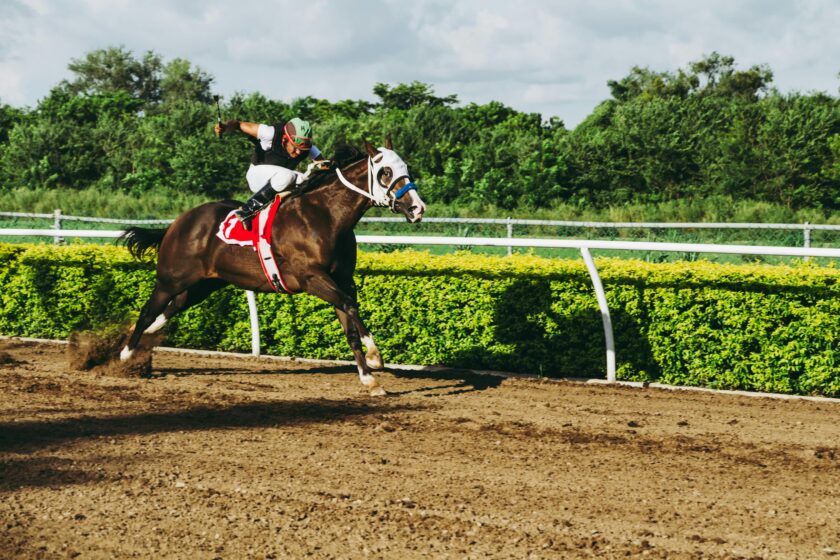
Horse racing has played an important part in Welsh life for centuries, shaping local traditions and drawing people from across the country to major events. From informal gatherings on open ground to formally organised meetings in the 1800s, the sport evolved with the changing rhythms of rural and urban life.
Wales has a strong history when it comes to equestrian sports, whether it be flat racing, National Hunt competitions or some of their local racing traditions that highlight the strong bond between horses and Welsh culture. However, there may only be a few official flat races that remain in Wales today; a strong legacy has been built around the sport in the area, which continues to be a proud part of their Welsh identity.
Early Roots of Horse Racing in Wales
The story of horse racing in Wales begins long before formal courses existed. Riders and farmers would often gather horses in open fields for meetings to race and compete against one another in a more informal manner. These occasions were more about building a community together, rather than testing the raw ability of the horses, which began to build the backbone behind the sport. As time went on, repeated gatherings like these helped shape the early foundations of organised racing, especially as structured sport began to grow in popularity across Britain.
Medieval Wales and the Role of Horses
In medieval Wales, working horses were essential to daily life and to transport across the rugged land. While there may not have been any formal races that were recorded during this time, horses were a massive part of local fairs and social gatherings. Trade routes began to expand at this time, and so did travel, meaning horses became an integral part of everyday life, allowing riders to test the capabilities of their horse, which ended up building the foundation for competing against others when it came to showcasing a horse’s skill.
Informal Racing Traditions
By the time of the early modern period, informal horse racing had become a regular part of rural meetings in Wales, with fairs and markets tending to provide the ideal setting for riders to challenge one another. These occasions were valued mainly as social gatherings rather than formal sporting events, bringing together local people and visitors from surrounding areas. Although few of these events were formally recorded, they helped to build lasting enthusiasm for horse racing well before large-scale meetings became established.
Development of Organised Racing
Organised racing in Wales began to take shape in the late 18th and early 19th centuries, especially through point-to-point meetings arranged by local landowners and enthusiasts. By 1833, recognised flat races were held in towns such as Aberystwyth, Cowbridge and Wrexham, attracting competitors from beyond Welsh borders. These events were significant in establishing racing as a formal sport within communities across Wales.
Welsh Breeds and Racing Culture
While Welsh native breeds are credited for their strength and versatility, their influence on thoroughbreds and other horses has built an identity surrounding Welsh horses. Over time, the blend of local and recognised racing breeds helped shape a distinctive equestrian identity that remains part of Welsh heritage.
Emergence of Welsh Racecourses
As organised racing became more established, a number of racecourses were developed across Wales during the 19th and early 20th centuries. Ely Racecourse opened in Cardiff in 1855 and quickly grew into an important venue, while Bangor-on-Dee began holding steeplechase meetings in 1859. Chepstow followed in 1926 and went on to establish itself as the leading racecourse in Wales. Today, only three official racecourses remain active in Wales: Chepstow, Bangor-on-Dee and the newer Ffos Las venue.
Horse Racing in Victorian Wales
During the Victorian era, horse racing became increasingly popular among different social classes in Wales. Large crowds attended race meetings, and courses became venues for socialising as well as sport. Despite occasional criticism from religious and civic leaders who objected to the behaviour they observed at some events, racing continued to draw wide interest. Many towns held annual meets that became fixtures of local calendars.
Key Figures and Memorable Moments
Wales has become the home to many notable figures associated with horse racing who have built reputations both nationally and internationally. Achievements from jockeys such as Jack Anthony and Geoff Lewis have helped to put Welsh horse racing on the map, bringing a sense of pride and continuing the tradition of the sport in the country. Memorable races, like those in the early to mid-20th century, have helped to keep Welsh horse racing in public conversation, preserving the history and culture.
Modern Welsh Horse Racing
Horse racing has continued to provoke interest not just on a national scale, but around the world. Although the number of racecourses has fallen since the mid-20th century, those that remain, along with long-held local traditions, continue to carry Wales’s equestrian heritage forward for new generations. Broader media coverage surrounding major fixtures – from the Welsh Grand National through to showcases like the Cheltenham Festival – routinely includes previews, interviews and general commentary, often appearing alongside discussions of seasonal topics such as free bets, too.
Check live fuel prices near you before you set off.
Spotted something? Got a story? Email news (@) deeside.com

NEW: Add Deeside.com as a preferred source on Google to see more of our trusted coverage when you search.
Latest News