Swimmers warned over hidden dangers in Wales’ rivers and lakes this summer
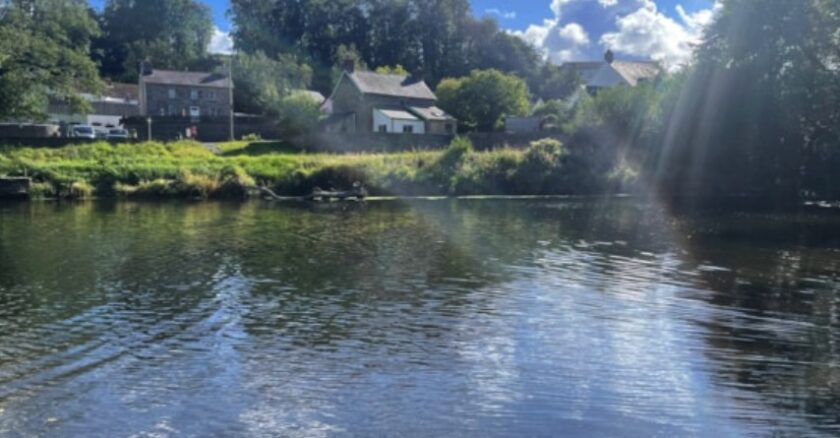
Natural Resources Wales and Public Health Wales are urging people to take care when swimming in open water this summer, as hot weather leads more people to rivers, lakes and the sea to cool off.
The organisations said open water activities can benefit physical and mental wellbeing, but warned that natural waters behave differently from swimming pools and conditions can change quickly.
They highlighted risks including cold-water shock, strong currents, sudden changes in depth, underwater obstacles and blue-green algae blooms, which can occur naturally in inland waters, estuaries and the sea.
Some coastal locations and a small number of river locations in Wales are designated bathing waters and monitored during the bathing season, but most rivers, lakes and inland waters are not.
Natural Resources Wales said bathing water designation helps people make informed choices but does not guarantee water will be free from pollution or health risks at all times.
Water quality in rivers and lakes can change over short periods, particularly after heavy rainfall, and can be affected by runoff from land, urban drainage, wildlife, and wastewater or storm overflow discharges.
Hamish Osborn, Environment Team Leader at Natural Resources Wales, said:
“We know more people are looking to rivers, lakes and coastal waters to cool off and enjoy the outdoors during periods of hot weather. Wales has fantastic places to connect with nature, but natural waters are different from managed swimming environments and conditions can change quickly.”
He said: “Most rivers and lakes in Wales are not designated bathing waters, so we encourage people to make informed choices about where and when they enter the water, follow the Wild Swimming Code and take sensible steps to protect their health and safety.”
Alice Munro, a Consultant in Environmental Public Health at Public Health Wales, said:
“The weather, tides, currents and water depth can all change quickly so it is important to be aware of these before you enter the water and when you are in it. Even in summer, the water can be extremely cold and cause cold-water shock if you get in too quickly, which can lead to drowning.”
She said: “You may also not be able to see underwater dangers, especially if you dive or jump in. Getting in slowly and wearing a floatation device can reduce these risks when swimming in unfamiliar waters.”
Natural Resources Wales and Public Health Wales advised people to choose known and suitable swimming locations where possible, take extra care after heavy rainfall, avoid swallowing water, cover cuts with waterproof dressings, wash hands before eating or drinking, and shower as soon as possible after swimming.
They also advised people to stay out of the water if they have recently been unwell with diarrhoea or vomiting, and to seek medical advice if symptoms such as diarrhoea, vomiting, stomach cramps or fever develop after swimming.
Bathing water monitoring results and further guidance are published on Natural Resources Wales’ website.
Check live fuel prices near you before you set off.
Spotted something? Got a story? Email news (@) deeside.com

NEW: Add Deeside.com as a preferred source on Google to see more of our trusted coverage when you search.
Latest News