Natural Resources Wales raises alert as rivers and wildlife feel the strain
Parts of north and south east Wales have moved to prolonged dry weather status, Natural Resources Wales confirmed on Wednesday.
Prolonged dry weather status is the first step in NRW’s Drought Plan, triggered when rainfall runs lower than expected for a sustained period, leading to falling river, reservoir and groundwater levels and drying land and soils.
The decision follows a series of record-breaking heatwaves and extended hot, dry weather this spring and summer.
NRW said the change was based on hydrological and environmental factors, including pressure on rivers, groundwater, fisheries, wildlife and land management.
While Wales as a whole saw average rainfall in June, some catchments, including the Dee, Clwyd and Upper Severn, received lower than average amounts.
Wales has received just 5% of its expected rainfall for July so far, with the hot, dry weather forecast to continue into next week.
NRW said catchments could deteriorate further without significant and sustained rainfall in the coming weeks.
Rhian Thomas, Sustainable Water and Nature Manager at NRW, said: “The exceptional series of heatwaves we’ve experienced this spring and summer are now starting to take its toll on our rivers, lakes, habitats and wildlife.”
She said: “In response, we’ll be stepping up our actions and monitoring across Wales to help ease the pressure on the environment, land and water users, as well as responding to environmental incidents linked to dry weather.”
She added: “The move to prolonged dry weather status follows another record-breaking spring/summer last year, which saw drought declared for the majority of Wales. We expect these extreme weather patterns to become more frequent as our climate changes, with wetter winters and drier summers becoming the norm.”
She said: “We support water company messages to customers to continue to use water wisely. Every drop we waste at home or at work, is less water to help keep our environment healthy when it needs it the most.”
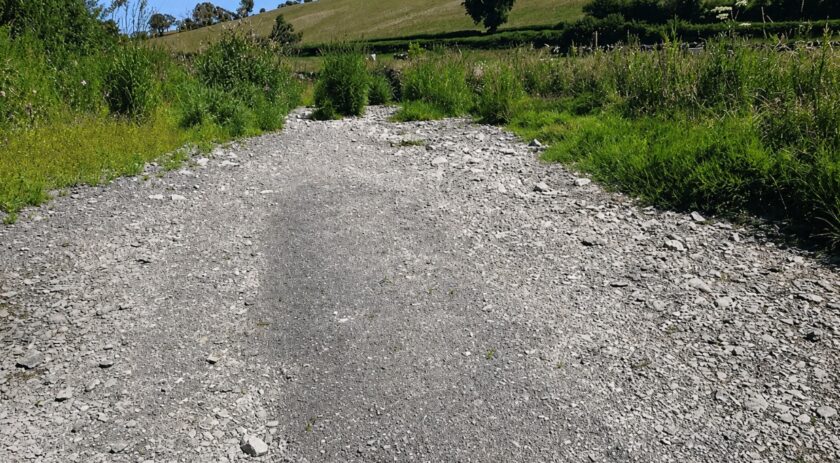
NRW said teams were reporting exceptionally low river flows in some stretches in north and south east Wales, along with falling groundwater levels.
Temperatures in most rivers have been recorded at or above 20°C, a threshold that can become dangerous for fish during low flows.
NRW said teams on the ground had reported dry riverbeds in north Wales, along with concerns for salmon welfare and fish in distress.
A major incident was declared last weekend following a number of wildfires in north Wales, NRW said.
The decision to declare prolonged dry weather status was shared with the Wales Drought Liaison Group, chaired by the Welsh Government and made up of NRW, the Met Office, water companies, Public Health Wales, farming unions and local authority representatives.
NRW said it was working closely with the Environment Agency on catchments that cross the border with England.
Members of the public are asked to report environmental incidents to NRW’s 24-hour hotline on 0300 065 3000.
Anyone who sees a wildfire is advised to get to a safe place and call 999 for the fire service.
Check live fuel prices near you before you set off.
Spotted something? Got a story? Email news (@) deeside.com

NEW: Add Deeside.com as a preferred source on Google to see more of our trusted coverage when you search.
Latest News