How Tool and Plant Hire Supports Construction Businesses
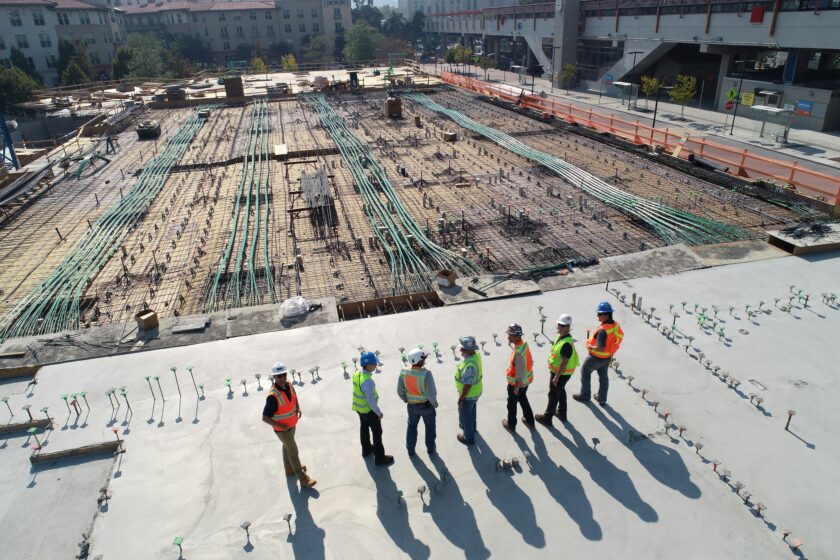
What Tool and Plant Hire Means in Construction
Tool hire and plant hire refer to the rental of construction equipment for temporary use on building projects. Contractors and construction companies often hire equipment rather than purchasing it outright, allowing them to access the machinery required for specific tasks.
Construction businesses hire tools and plant equipment for projects. Plant hire companies supply machinery to construction sites, enabling contractors to complete work efficiently without maintaining large equipment inventories.
From a construction business owner’s perspective, hiring equipment helps manage costs and ensures access to professional machinery when needed. From a tool and plant hire company’s perspective, rental services allow businesses to provide a wide range of equipment to multiple projects while maintaining and managing the machinery professionally.
Types of Tools and Machinery Available for Hire
Plant hire companies offer a broad selection of equipment designed for different construction activities. Contractors can hire both small tools and large machinery depending on the project requirements.
Commonly hired equipment includes:
- Excavators and diggers for groundworks
- Generators for temporary site power
- Scaffolding systems for elevated work areas
- Power tools such as drills, saws and breakers
- Heavy machinery including loaders and dumpers
Equipment variety and availability allow contractors to select machinery suited to each stage of construction. Rental duration can also vary, ranging from short-term daily hire to long-term project agreements.
How Plant Hire Works on a Construction Site
Hiring equipment typically begins when a contractor or site manager identifies the machinery required for a particular task. The contractor then arranges the hire through a plant hire provider.
Rental agreements define equipment usage terms. These agreements outline hire duration, delivery arrangements, and responsibilities for equipment operation.
Once the agreement is confirmed, the equipment is delivered directly to the job site. Site managers coordinate equipment use on-site and ensure machinery is operated safely and according to project requirements.
Financial Benefits of Hiring Construction Equipment
Hiring tools and plant machinery offers several financial advantages for construction businesses. Many companies prefer rental solutions because they reduce upfront costs and improve financial flexibility.
Equipment hire reduces upfront capital investment. Instead of purchasing expensive machinery, contractors can access the equipment they need for the duration of a project.
From a contractor’s perspective, hiring equipment allows businesses to maintain cash flow while still using professional-grade machinery. From a project manager’s perspective, rental solutions simplify budgeting and allow costs to be aligned with project timelines.
Lower Upfront Investment Costs
Heavy-duty construction machinery often requires significant capital investment. Purchasing excavators, loaders, or specialised equipment can place a large financial burden on businesses, particularly smaller contractors.
Hiring equipment removes the need for large upfront purchases. Contractors instead pay a rental cost for the period the equipment is required.
This approach allows businesses to:
- Avoid large capital expenditure
- Access modern equipment without ownership costs
- Pay only for the duration of equipment usage
In many cases, plant hire can be more cost-effective than purchasing machinery that may only be used occasionally.
Budget Flexibility for Construction Projects
Plant hire provides flexibility for construction project budgets. Contractors can hire equipment only when it is needed and return it once the work is completed.
This flexibility allows businesses to scale equipment usage depending on project size and complexity. For example, a contractor may hire additional machinery during major groundwork phases and reduce equipment usage during later stages.
Flexible hire arrangements support better financial planning and allow project managers to allocate resources efficiently throughout the construction process.
Improving Efficiency and Productivity on Site
Access to professional construction equipment allows contractors to complete tasks more efficiently. Reliable tools and machinery improve workflow and support faster project progress.
Construction companies use hired tools to increase productivity. High-performance machinery allows workers to complete demanding tasks more quickly and with greater precision.
From a site manager’s perspective, having the correct equipment available at the right time ensures construction schedules remain on track. From an equipment operator’s perspective, modern machinery improves efficiency and ease of operation.
Access to Specialised Equipment
Different construction tasks often require specialised equipment. Through plant hire services, contractors can access machinery designed for specific types of work.
Examples of specialised equipment include:
- Excavators for excavation and groundwork
- Concrete mixers for structural construction
- Compactors for ground preparation
- Lifting equipment for heavy materials
Access to specialised construction equipment allows contractors to perform tasks efficiently without investing in machinery that may only be used occasionally.
Reliable Equipment and Professional Support
Plant hire companies maintain machinery to ensure it remains reliable and ready for use on construction sites.
Plant hire services maintain machinery for safe operation. Equipment is typically inspected, serviced, and tested before being delivered to a project.
Reliable machinery reduces downtime and helps construction teams maintain productivity. Many hire companies also provide operator guidance or technical support to ensure equipment is used correctly and efficiently.
Safety and Maintenance Advantages of Plant Hire
Safety is a major priority on construction sites. Plant hire services support safe working environments by supplying equipment that meets industry standards and regulatory requirements.
From a site manager’s perspective, using professionally maintained equipment reduces operational risks. From an equipment operator’s perspective, well-maintained machinery improves reliability and safety during operation.
Equipment Maintenance and Servicing
Plant hire companies regularly inspect and maintain their machinery to ensure it operates safely. Equipment servicing helps prevent mechanical faults and ensures machinery performs as expected on site.
Maintenance processes often include:
- Routine equipment inspections
- Mechanical servicing and part replacement
- Safety testing before delivery to construction sites
Professional servicing ensures that contractors receive equipment in good working condition and reduces the likelihood of equipment failure during critical project stages.
Supporting Site Safety and Compliance
Properly maintained equipment supports construction site safety standards. Machinery that meets safety regulations helps protect workers and reduces the risk of accidents.
Safety compliance includes ensuring that equipment operates correctly, safety features are functional, and operators receive appropriate guidance when necessary.
Site managers and equipment operators both play important roles in maintaining safety. By using reliable machinery supplied through plant hire companies, construction teams can maintain safe working environments while meeting industry compliance requirements.
How Plant Hire Companies Support Construction Projects
Plant hire companies provide more than just equipment. Their services help contractors and project managers organise machinery, manage logistics, and maintain project timelines.
Site managers coordinate equipment delivery and usage. This coordination ensures that the required machinery arrives on-site when it is needed and remains available throughout the project.
From a project manager’s perspective, reliable equipment supply supports efficient project planning. From a contractor’s perspective, hire services simplify equipment management across multiple projects.
Equipment Delivery and Logistics
Plant hire companies transport equipment directly to construction sites, ensuring machinery is available when required.
Delivery logistics form an important part of the service. Hire providers schedule transport to align with construction timelines, helping prevent delays caused by missing equipment.
Efficient equipment delivery ensures that contractors can begin work immediately and maintain progress across different stages of the project.
Flexible Equipment Solutions for Different Projects
Construction projects vary widely in size and complexity. Plant hire services allow businesses to adapt their equipment usage depending on project requirements.
Contractors may hire additional machinery for large infrastructure projects or smaller tools for short-term tasks. Flexible rental duration options allow equipment to be hired for days, weeks, or entire project periods.
This flexibility helps construction businesses scale operations efficiently while maintaining access to a wide range of equipment when needed.
Check live fuel prices near you before you set off.
Spotted something? Got a story? Email news (@) deeside.com

NEW: Add Deeside.com as a preferred source on Google to see more of our trusted coverage when you search.
Latest News