How to Compare Solar Panel Installers in Kent With Confidence
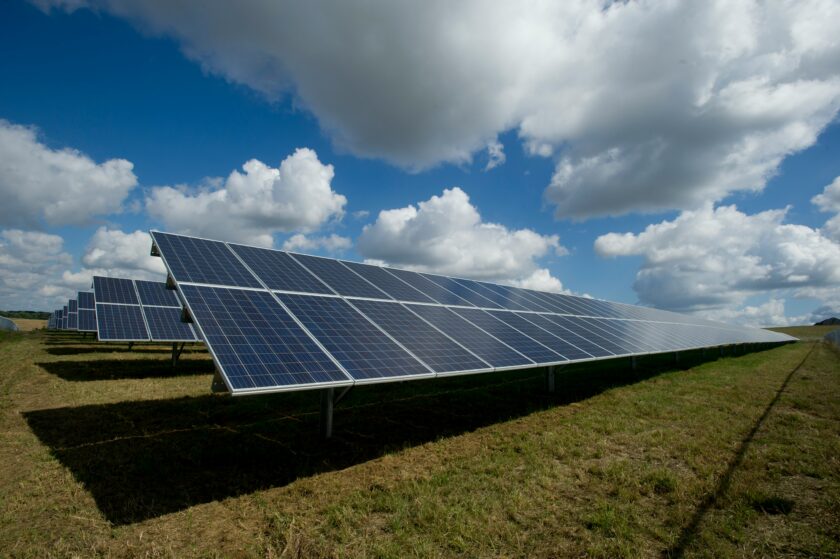
Choosing the right installer is one of the most consequential decisions you will make in your entire solar journey. A well-designed system fitted by a competent, properly accredited professional will deliver consistent returns for 25 years or more. The same system, poorly installed by the wrong contractor, can underperform, create roof damage, or leave you without recourse when something goes wrong. In a region like Kent, where the solar market has grown considerably in recent years, the number of companies competing for your business makes thorough comparison more important than ever.
In this article, we walk you through everything you need to evaluate when choosing between solar panel installers Kent homeowners have access to. We cover how to assess your property’s solar potential, which credentials to verify, how to read and compare quotes accurately, and which warning signs should prompt you to walk away from a provider entirely.
Key Takeaways
- South-facing roofs deliver the strongest solar yield in Kent, but east and west-facing roofs can still support productive installations with correct system sizing.
- MCS certification is a non-negotiable requirement for any installer you consider, as it is tied directly to your eligibility for government export tariffs.
- Always request a minimum of three fully itemised quotes to compare costs, equipment, and warranty terms on a like-for-like basis.
- RECC membership provides a formal consumer protection framework and gives you a clear route for resolving disputes if they arise.
- High-pressure sales tactics, vague financial projections, and the absence of aftercare plans are consistent indicators of an installer you should avoid.
Understanding the Solar Landscape in Kent
Before you begin approaching installers, it helps to understand what makes a solar installation viable and high-performing in Kent specifically. The county benefits from some of the strongest average sunshine hours in England, making it a genuinely favourable environment for solar energy generation. However, the performance of any individual system is shaped far more by your specific property characteristics than by regional weather averages alone.
Approaching the market with a clear understanding of your own property’s potential also puts you in a stronger position when evaluating the proposals installers put forward. It allows you to ask better questions and to recognise when a projection or recommendation does not align with the physical realities of your home.
Assessing Your Home’s Energy Potential
Your roof’s orientation is the single most influential factor in determining how much energy your system will generate. South-facing roofs receive direct sunlight for the longest portion of the day and are considered the optimum configuration for UK solar installations. East and west-facing roofs can still support effective systems, though they typically require a larger array to achieve comparable output, which affects the overall project cost.
Beyond orientation, your roof’s structural condition, pitch angle, and the presence of any shading from trees, neighbouring buildings, or chimney stacks all need to be factored into the assessment. A professional site survey carried out before any proposal is issued should account for all of these variables. Improving your home’s insulation and addressing any significant sources of energy waste before installation can also improve the overall return on your investment by reducing the total consumption your system needs to offset.
Navigating Local Planning Regulations
The majority of residential solar installations in Kent fall within permitted development rights, meaning no formal planning application is required before work can begin. This applies to most standard properties where the panels do not protrude beyond the roof plane, do not exceed the highest point of the roof, and are not visible from a public highway in a protected area.
However, if your property is a listed building or sits within a designated conservation area, the position changes considerably. Kent’s local planning authorities apply specific rules to protected areas to preserve the visual character of the built environment, and installations that would ordinarily proceed without permission may require a formal application and council approval.
The table below summarises how key factors interact with planning requirements:
| Factor | Impact on Performance | Planning Consideration |
| Roof Orientation | High impact on yield | Usually permitted |
| Conservation Area | Minimal impact | Requires council review |
| Shading Levels | Significant reduction | Not applicable |
| Listed Building Status | Minimal impact | Listed building consent required |
Always consult your local planning office before proceeding if there is any doubt about your property’s status. Proceeding without the correct permissions can create serious legal complications and may require the system to be removed at your own expense.
Essential Criteria for Evaluating Installers
Once you have a clear picture of your property’s potential, you are ready to begin evaluating the solar panel installers in Kent. This process requires looking well beyond headline prices. The quality of the equipment being proposed, the credentials of the company carrying out the work, and the terms of the support they offer after installation are all just as important as the upfront cost figure on a quote.
A structured approach to this evaluation protects your investment and significantly reduces the risk of costly problems emerging after your system is live.
Verifying Accreditations and Certifications
Professional accreditations are the most reliable objective indicator of an installer’s competence and commitment to industry standards. Two accreditations in particular should be treated as minimum requirements rather than desirable extras.
- MCS Certification: Confirms that the installer meets the technical and quality standards required for residential renewable energy installations in the UK and is essential if you want to access the Smart Export Guarantee for surplus electricity payments.
- RECC Membership: Provides an additional layer of consumer protection through the Renewable Energy Consumer Code, covering sales practices, contract terms, post-installation support, and access to an independent dispute resolution process.
Any installer who cannot demonstrate both of these accreditations should be removed from your shortlist immediately.
Analysing Past Projects and Local References
A company’s portfolio of completed installations tells you things that no accreditation certificate can. Asking to see examples of similar projects carried out on properties comparable to yours, in terms of roof type, age, and complexity, gives you a realistic sense of their technical capability and attention to detail. Local references are particularly valuable because they reflect experience with the specific planning environment, roof construction styles, and weather conditions relevant to your area.
When reading reviews and speaking to past clients, focus on factors beyond whether the panels were fitted successfully. Punctuality, cleanliness on site, clarity of communication throughout the project, and responsiveness to questions after installation are all reliable indicators of how the company will treat you as a customer over the long term.
Comparing Quotations and Financial Transparency
Obtaining a minimum of three detailed quotes is essential for making a well-informed decision. A high-quality quote should be fully itemised, breaking down the cost of panels, inverter, mounting hardware, installation labour, electrical work, and any scaffolding or access requirements separately. This level of detail allows you to compare proposals on a genuinely like-for-like basis and to identify where one installer may be cutting costs through inferior equipment choices.
The table below outlines what separates a professionally prepared quote from one that should raise concern:
| Criteria | High-Quality Installer | Low-Quality Installer |
| Accreditations | MCS and RECC certified | None or unverified |
| Quote Detail | Fully itemised | Vague lump sum |
| References | Available on request | None provided |
| Financial Projections | Based on your specific usage data | Generic estimates |
Vague lump-sum quotes with no breakdown of costs make it impossible to understand what you are paying for and leave you with no basis for comparison or dispute if the final invoice differs from what was discussed.
Understanding Equipment Warranties and Performance Guarantees
The warranties attached to your solar equipment are a direct indicator of how confident the manufacturer is in the product’s longevity and reliability. Panel manufacturers typically offer two distinct warranties: a product warranty covering manufacturing defects, and a performance warranty guaranteeing that the panel will still be producing a specified percentage of its original output after a defined number of years. For premium panels, a 25-year performance warranty guaranteeing at least 80 to 85 percent of original output is a reasonable benchmark.
Your installer should also provide a workmanship warranty covering the quality of their installation work separately from the equipment warranties. Review all warranty documentation carefully before signing anything, paying particular attention to what the claims process involves and whether the installer’s continued trading is a prerequisite for the warranty to remain valid.
Red Flags to Watch Out for During Your Search
Even with a structured evaluation process in place, certain installer behaviours are consistent enough indicators of poor practice that they warrant specific attention. Recognising these warning signs early allows you to remove unsuitable companies from consideration before they waste your time or, worse, before you commit to a contract with them.
The solar installation market, like any market experiencing rapid growth, attracts a proportion of operators whose commercial practices fall short of the standards set by the industry’s best. Being alert to the signals below significantly reduces your exposure to this risk.
Identifying High-Pressure Sales Tactics
Reputable solar installers do not pressure homeowners into making quick decisions. If a sales representative is pushing for a same-day signature, implying that a price is only available for a limited time, or creating urgency around a non-existent deadline, treat it as a serious warning sign. These tactics are typically used to prevent customers from carrying out the kind of thorough comparison and reflection that would reveal the proposal to be poor value or the company to be inadequately qualified.
A professional installer will welcome your questions, encourage you to take time to consider their proposal, and be entirely comfortable with you obtaining competing quotes before making a decision. Anything less than that level of openness and patience should be cause for concern.
Recognising Unrealistic Energy Savings Claims
Any credible estimate of your energy savings should be grounded in data specific to your property, your current electricity consumption, your roof’s orientation and shading profile, and the size of the system being proposed. Headline claims of dramatic bill reductions that are not supported by this kind of detailed, property-specific analysis are a reliable sign that the installer is prioritising the sale over accuracy.
Ask any installer to walk you through the assumptions behind their savings projections. If they cannot explain clearly how they arrived at their figures, or if they are unwilling to provide a written breakdown of those projections, that is a strong signal to look elsewhere. Realistic, well-evidenced financial modelling is a mark of professionalism and a sign that the company values a long-term relationship with you over a short-term transaction.
Evaluating Communication and After-Sales Support
The quality of an installer’s communication and support after the job is complete is just as important as the quality of the installation itself. A system that develops a fault, experiences a performance drop, or requires a warranty claim in year three needs a responsive, organised company behind it. Poor post-installation communication is one of the most commonly cited complaints in negative solar reviews, and it is largely avoidable by asking the right questions upfront.
The table below summarises the contrast between professional standards and common red flags across the key areas of the customer relationship:
| Feature | Professional Standard | Common Red Flag |
| Sales Approach | Consultative and patient | High-pressure, “sign today” |
| Financial Data | Detailed, realistic projections | Vague, inflated savings claims |
| After-Sales Support | Ongoing maintenance plans offered | No contact after installation |
| Contract Transparency | Clear, fully itemised agreements | Hidden fees and vague terms |
Before signing any contract, confirm that the installer has a clearly defined process for handling maintenance requests, warranty claims, and system performance queries. If they cannot articulate this clearly, the aftercare you receive is likely to reflect that lack of structure.
Conclusion
Selecting the right solar installer in Kent requires a disciplined, informed approach that goes well beyond comparing headline prices. Verifying MCS and RECC accreditations, scrutinising past project portfolios, demanding fully itemised quotes, and remaining alert to the warning signs covered in this guide collectively give you a robust framework for making a decision you can be confident in.
The installers who will serve you best are those who welcome your scrutiny, provide clear and evidence-based financial projections, and can demonstrate a track record of successful installations on properties similar to yours. Taking the time to apply this level of rigour at the outset is the most reliable way to protect your investment and ensure your system delivers its full potential over its operational lifetime.
FAQs
Why Is MCS Certification Essential When Choosing a Solar Installer in Kent?
MCS certification confirms that an installer meets the technical and quality standards required for residential renewable energy work in the UK. It is also a mandatory requirement for accessing the Smart Export Guarantee, which pays you for surplus electricity exported to the national grid. Using an uncertified installer disqualifies you from this income stream and leaves you without the quality assurance the scheme provides.
How Many Quotes Should I Get Before Choosing an Installer?
A minimum of three detailed, itemised quotes is the recommended starting point. This gives you enough reference points to identify where pricing is reasonable, where equipment quality varies, and where one proposal may be offering significantly better warranty terms than another. Comparing fewer than three quotes makes it difficult to form an accurate picture of the market.
Do I Need Planning Permission for Solar Panels in Kent?
Most residential installations in Kent proceed under permitted development rights without requiring a formal planning application. The exception applies to listed buildings and properties within designated conservation areas, where council approval is typically required before work can begin. Always check with your local planning authority if there is any uncertainty about your property’s status before commissioning an installation.
What Should a Professional Solar Quote Include?
A professional quote should be fully itemised, detailing the cost of panels, inverter, mounting system, installation labour, electrical work, and any additional access or scaffolding requirements. It should also include projected energy output and savings figures based on your specific property data, along with clear warranty terms for both equipment and workmanship. Any quote that presents a single lump-sum figure without this level of detail should be treated with caution.
How Does Roof Orientation Affect Solar Performance in Kent?
South-facing roofs receive the most consistent direct sunlight throughout the day and deliver the strongest energy yield in the UK climate. East and west-facing roofs can still support effective systems but generally require a larger number of panels to produce equivalent output. A professional site survey will assess your roof’s orientation alongside pitch, shading, and structural condition to give you an accurate picture of your system’s likely performance.
Check live fuel prices near you before you set off.
Spotted something? Got a story? Email news (@) deeside.com

NEW: Add Deeside.com as a preferred source on Google to see more of our trusted coverage when you search.
Latest News