Common Signs It May Be Time for a Brake Fluid Replacement
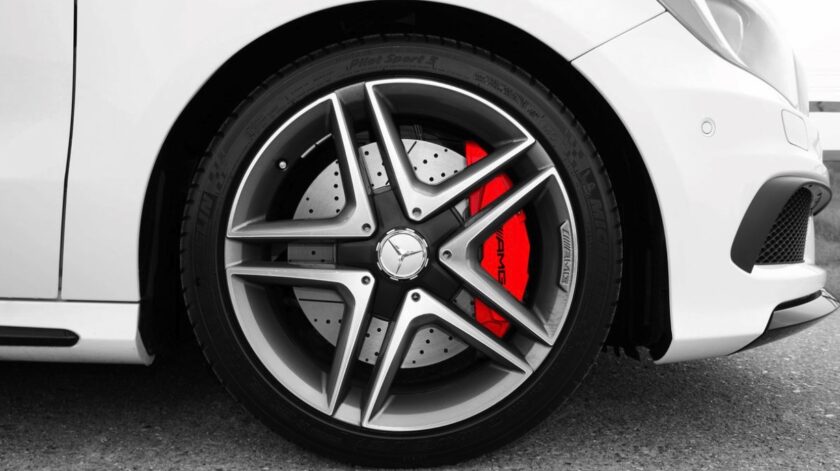
Most drivers will happily top up washer fluid, check tyre pressures, or book an MOT when it’s due. Brake fluid, on the other side, gets far less focus, simply because it’s tucked away under the bonnet and hardly ever causes obvious problems until something begins to change.
That can be easily forgotten between services. But brake fluid also has a direct impact on how effectively a vehicle stops. As it ages, it absorbs moisture and loses its ability to transmit hydraulic pressure through the brake system. This is a slow process, which explains why many drivers don’t realise there is a problem until the braking performance begins to feel different.
Being aware of the signs to look for can detect the problem early and keep the braking system functioning how it should.
The Brake Pedal Feels Different
One of the initial warning signs may be a change in how the brake pedal feels underfoot. If the pedal is softer or spongier than normal, or if it requires more pressure than usual to slow the vehicle, the braking system needs maintenance.
Brake fluid is hygroscopic, which means it will absorb moisture from the surrounding environment over time. As moisture levels increase, the fluid’s boiling point drops and its ability to transfer pressure efficiently is affected.
While worn brake components can sometimes exhibit similar symptoms, one of the first things worth checking is ageing brake fluid. In many cases a brake fluid replacement is all that is needed to restore normal pedal feel.
The Fluid Is Showing Signs of Age
The fresh brake fluid is normally pale yellow or almost clear. As it ages, it gradually takes in moisture and dirt from within the braking system, turning it darker over time.
On most cars the brake fluid reservoir is translucent and located under the bonnet, which makes it pretty easy to see the fluid’s appearance. If the fluid appears dark, cloudy, or heavily discoloured, it may not be working at its best.
Age is equally important. Manufacturers usually recommend changing brake fluid every two years, despite the mileage. This is because moisture absorption occurs continuously, even if a vehicle is used often.
If there is no record of it being changed within the recommended interval, arranging a professional brake fluid replacement sooner rather than later is the more sensible approach — choose Dexel Tyre & Auto Centre for trusted local support.
Braking Feels Less Reliable Under Pressure
A noticeable reduction in braking performance is one of the more serious indicators that attention may be needed.
Drivers may find that the vehicle takes longer to stop than expected or that more pedal pressure is required to achieve the same level of braking. In more severe cases, degraded brake fluid can begin to boil under high temperatures. This creates vapour within the hydraulic system, reducing braking effectiveness and contributing to what is commonly known as brake fade. Addressing fluid condition before it reaches this stage is considerably safer and often far less costly.
The Vehicle Has Been Through Heavy Use
Some vehicles place greater demands on the braking system than others. Cars used for towing, regular motorway driving, carrying heavy loads, or navigating hilly terrain often generate more heat within the braking system, which can accelerate brake fluid deterioration.
Interestingly, vehicles that spend long periods parked can also experience fluid degradation. Moisture absorption continues whether the vehicle is being driven regularly or not, meaning low mileage alone is not a reliable indication of brake fluid condition. For both heavily used vehicles and those that spend extended periods off the road, arranging a brake fluid replacement as part of routine maintenance is a sensible precaution.
The Vehicle Is Several Years Old
Sometimes there are no obvious warning signs at all. If a vehicle is several years old and there is no clear record of when the brake fluid was last replaced, that alone is a reasonable prompt to have it checked. For older vehicles especially, factoring brake fluid into routine maintenance is a straightforward way to support the long-term reliability of the braking system.
Because brake fluid deteriorates gradually, many drivers don’t notice a problem until performance has already begun to change. Regular inspections and timely brake fluid replacement help ensure the braking system continues performing as intended, whether commuting, travelling on motorways, or managing everyday journeys. It may not receive the same attention as tyres or engine oil, but it remains one of the most important fluids in any vehicle when it comes to safety.
Check live fuel prices near you before you set off.
Spotted something? Got a story? Email news (@) deeside.com

NEW: Add Deeside.com as a preferred source on Google to see more of our trusted coverage when you search.
Latest News