A Comprehensive Overview of the Ultimate Poker Hands Order
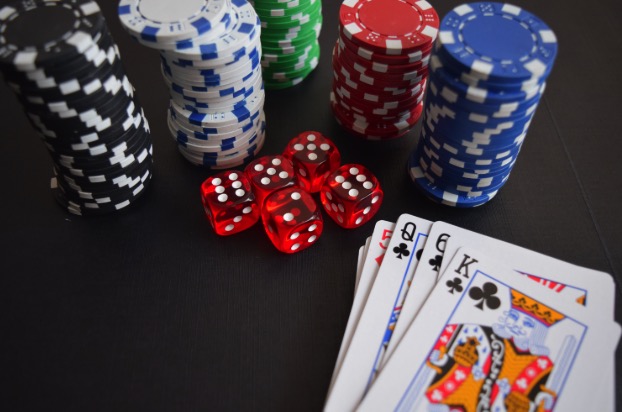
Although one of the most recognizable card games in the world, poker is more than just a game of luck. All decisions at the table are based on value, probability, pressure and timing. The order of poker hands is in the middle of all this. The hierarchy determines the title of the winner, who hands to play and when to drop out before losing more chips.
Understanding the hand rankings list is the first step toward making better choices, whether playing with friends or more seriously. It provides structure to each round and helps players to understand why one hand beats another. If you’re unable to, then poker is just a game of guesswork. With it, the game begins to show its stuff.
Why Poker Hand Rankings Matter
The poker hands order is the backbone of nearly every major game of poker that’s played, such as Texas Hold’em, Omaha, Seven Card Stud and many home game variants. Rules may vary by format, but the point value for each hand is typically the same. A flush is still better than a straight. A complete house is still a winner over a flush. The royal flush remains on top.
This uniformity is crucial as poker is a game of incomplete information. Players are not always certain of the cards that their opponents have; they must compare possibilities. Players need to be familiar with hand rankings so they can assess risk rapidly. It also helps them steer clear of basic mistakes made by beginners, like playing a pair that is considered good even though the odds are much stronger on the board.
The Royal Flush – The Best Hand in Poker
The royal flush is the best hand in poker. This is made up of the ace, king, queen, jack and ten of the same suit. For instance, if the first two cards are the 10 of hearts and the Ace of hearts, then the third card will be a royal flush since it is the King of hearts.
In traditional poker, it is the weakest and least common hand. It is unbeatable with any other hand. Given the challenge of building it, players should not rely on one coming up when making their play. However, when it does show up, it’s the ultimate poker moment.
Straight Flush and Four of a Kind
The straight flush is the second-best hand. A hand is made of five cards in order (1, 2, 3, 4, 5) and all of them are of the same suit. Straight flushes: For instance, 5, 6, 7, 8, and 9 of clubs.
Then there’s four of a kind (also known as “quads”). A hand consisting of four cards of the same rank (four queens, four sevens, etc.). It’s really powerful and will hold up the pot most of the time unless there’s a straight flush or a royal flush.
These are rare hands, but they get you a feel for why it is important to read the board. With community-card games, the players must consider what hands their rivals might have by examining the face-up cards.
Full House, Flush and Straight
Many critical decisions occur midway through a poker hand. A full house is a hand made up of three cards of the same value and two cards of another. For instance, three kings and two eights would make a full house. It’s a strong hand, as it can be a 3-of-a-kind and a pair.
A flush is five cards of the same suit, not in numerical order. In the event of two players having a flush, the player with the higher card wins. This is why there is a need for kickers and card strength.
Five cards in a row, but not all of the same suit is a straight. For example, seven, eight, nine, ten and jack would be a straight. Straights can easily be valuable and a problem if there are suited and/or paired cards on the board that could create a flush or a full house.
For instance, these are middle-ranking hands that are particularly significant for players transitioning from online gaming to live poker. In real poker, a player’s betting style, body language, and pace at the table can affect their hand strength. The cards still determine who wins, but the information surrounding the cards will influence all the decisions up until the showdown.
Three of a Kind and Two Pair
Three of a kind is lower than a straight in the order of the hands in poker. This hand is composed of three cards of the same face value, e.g., 3 x 10s. In Texas Hold’em, there are a variety of different three-card combinations. A player can have a pocket pair and draw a third card on the board, or one card in his hand and two matching cards on the board.
Two pairs of hands consist of two cards of the same value in each of the two hands. For example, two aces and two nines would make a two-pair. It is not as safe as many novices believe, but it is more powerful than one pair. Two pairs can turn into a dust heap if the board gets too big.
Furthermore, two pairs can be a strong hand or a weak one, depending on the nature of the pairs. A pair of top two and a pair of bottom two is stronger than a pair of bottom two. Players also have to be on the lookout for a possible straight and/or a flush that can form on a later street.
One Pair and High Card
Near the bottom of the order of poker hands is one pair. A hand that includes 2 cards with the same value. The best one pair is a pair of aces and the worst one pair is a pair of twos. Even with a great pair, though, there are many other combinations that can take it down, so players shouldn’t get too attached to it.
The lowest possible rank is high card. It is a hand that does not have any pair, straight, flush, or better. If so, the top card in the hand will be declared the value of the hand. Ace is high to king high, king high to queen high, etc.
Moreover, the only time that high-card hands win big pots is when everyone flops a dud hand or when somebody bluffs. There is a reason for discipline. Sometimes, it is more important to fold weak hands than strong ones!
How Kickers Decide Close Hands
A player is given a “kicker” side card to break ties if both players have similar hands. For instance, if two players hold a pair of kings, the one with the higher other card wins.
Kickers can be particularly useful in one-pair and two-pair hands. Many new players don’t pay them any attention, but experienced players know they can determine big pots. A pair with a poor kicker may initially sound good, but will be expensive when matched against a pair of the same value with a better side card.
Reading the Board Alongside the Rankings
While the order of poker hands is important to memorize, top players can also read the board. What is a strong hand on one board can be a dangerous one on another. Two Aces can form a great hand on a dry board, where the cards aren’t related. However, if the board has three matching cards or four sequential cards, then that specific pair might be in trouble.
This is where poker becomes more than a chart of rankings. Players need to consider their range, their opponents’ range, and the hands they are likely to represent. The rankings indicate which beats which. Board reading provides insights into what is realistic.
The Poker Hands Order Is the Game’s Starting Point
The ranks of poker hands provide each player with an underpinning of the game. Each hand rank, from royal flush to high card, serves a purpose and has a rank. Knowing these rankings will not make an expert overnight, but will eliminate confusion and build a better foundation for improvement.
Understand the rankings and focus on higher-level skills like position, pot odds, bluffing, bankroll management, and opponent tendencies. In poker, it pays to be both patient and aggressive. It also rewards a player who knows when he or she has a good hand, a weak hand and when it’s time to fold.
Knowing the poker hands order is not only about knowing which ones win. It’s about making clear decisions, preventing costly errors and gaining confidence in the game.
Check live fuel prices near you before you set off.
Spotted something? Got a story? Email news (@) deeside.com

NEW: Add Deeside.com as a preferred source on Google to see more of our trusted coverage when you search.
Latest News