Which Supplements Are Best for Body Building?
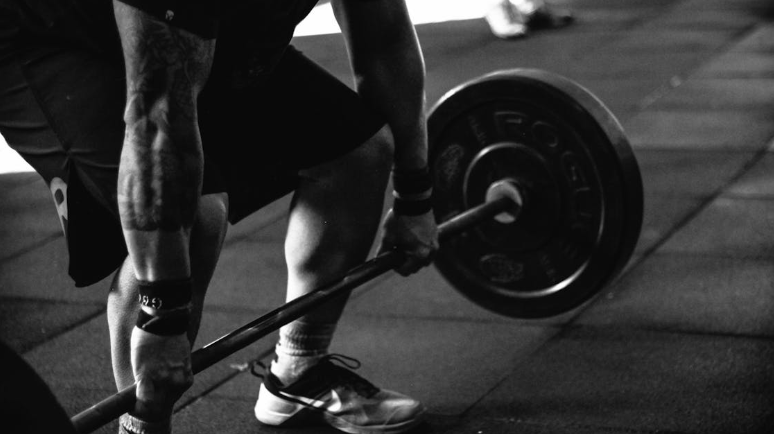
Building muscle takes a holistic approach. Consistent workouts and solid nutrition come first, while supplements can help support progress by filling gaps and enhancing training output. However, supplements should complement, not replace, a balanced diet and structured workout routine.
As such, we will cover the most effective body building supplements, explaining how each works and who may benefit from using it
What’s the Role of Supplements in Muscle Building
Before adding any supplement to your routine, it helps to understand that muscle growth depends on three factors: consuming enough calories, eating adequate protein, and following a challenging exercise program. Supplements work best when these fundamentals are already in place.
Not everyone needs supplements. If your diet provides sufficient nutrients and you recover well between workouts, you may see minimal additional benefits. That said, specific supplements have demonstrated measurable effects on strength, recovery, and muscle mass when used appropriately. For instance, when shopping for quality products, Huge Supplements for bodybuilders remains a popular choice due to its range of pre-workout, muscle-building, and wellness formulas.
Protein Supplements
Why Protein Matters
Protein supports muscle repair and development, and gaining muscle requires a net positive balance between protein intake and breakdown. The general recommendation for active individuals aiming to gain muscle is 0.6 to 0.9 grams of protein per pound of body weight.
Types of Protein Supplements
Several protein supplements exist, each with different absorption rates and amino acid profiles:
- Whey protein digests quickly, making it suitable for post-workout consumption.
- Casein protein absorbs slowly and is often used before sleep to support overnight recovery.
- Plant-based options like pea, rice, and hemp protein work well for those avoiding animal products.
If you’re having difficulties meeting your protein needs solely through whole foods, a protein supplement offers a convenient solution. However, if your diet already provides adequate protein, additional supplementation may offer limited benefits.
Creatine Monohydrate

How Creatine Work
Creatine is one of the most studied supplements in sports nutrition. It occurs naturally in the body and supports muscle energy demands during high-intensity movement.
Supplementing with creatine increases your muscle creatine stores by up to 40% beyond normal levels. This improves performance during resistance training, leading to greater strength gains over time.
Additional Benefits
Beyond performance, creatine may:
- Increase water content in muscle cells, potentially signaling growth.
- Support higher training volumes.
- Help reduce muscle protein breakdown.
Creatine monohydrate has a favorable safety profile and works for both beginners and experienced lifters. For those looking to add one supplement to their routine, creatine is often the first recommendation.
Beta-Alanine
Reducing Fatigue During Training
Beta-alanine helps buffer muscle acidity during high-intensity exercise, supporting performance. This buffering effect can delay fatigue, allowing you to train harder and longer.
Effects on Body Composition
Some studies suggest that beta-alanine supplementation, combined with resistance training, may support small increases in lean body mass. However, results remain mixed, and more evidence is needed to confirm its direct effects on muscle growth.
Those who perform high-intensity interval training or extended sets may notice the most benefit from beta-alanine supplementation.
HMB (Beta-Hydroxy-Beta-Methylbutyrat
What HMB Does
HMB is a compound produced when your body processes leucine, an amino acid critical for muscle protein synthesis. Supplementing with HMB may help reduce muscle protein breakdown, particularly during periods of intense training or caloric restriction.
Who Benefits Most
The effects of HMB are generally more pronounced in untrained individuals or those returning to resistance training, whereas advanced lifters may see limited impact. Recommended daily doses usually range from 3 to 6 grams.
Branched-Chain Amino Acids (BCAAs)
The Three Key Amino Acids
BCAAs consist of leucine, isoleucine, and valine. These amino acids are central to muscle protein synthesis and comprise nearly 35 percent of total muscle amino acids.
When BCAAs Help
Most protein-rich foods contain BCAAs, so people who eat adequate protein may not need additional supplementation. However, BCAAs might benefit individuals who:
- Train in a fasted state.
- Follow a calorie-restricted diet.
- Have difficulty consuming enough protein from food
For most people with balanced diets, BCAA supplements offer limited additional value beyond what whole-food protein sources provide.
Supporting Supplements for Overall Health
Caffeine
Caffeine acts as a stimulant, increasing focus and energy during workouts. Many pre-workout formulas include caffeine because it may enhance performance during both strength and endurance activities.
Fish Oil (Omega-3s)
Omega-3 fatty acids support recovery by reducing inflammation. While not directly linked to muscle growth, fish oil contributes to overall health and may help with joint comfort during heavy training.
Multivitamins and Vitamin D
General health supports training capacity. Multivitamins fill nutritional gaps, while vitamin D supports muscle function and development. Those with limited sun exposure or dietary variety may benefit from these supplements.
Choosing Quality Products
When selecting supplements, consider the following:
- Look for products that third-party organizations have tested.
- Check ingredient labels for unnecessary fillers.
- Choose reputable brands with transparent manufacturing practices.
Quality matters because the supplement industry varies widely in standards and oversight.
The Bottom Line
Supplements can support muscle-building efforts, but they cannot replace proper nutrition and consistent training. Creatine and protein supplements have the strongest evidence for effectiveness. Other options, such as beta-alanine, HMB, and BCAAs, may help some individuals depending on their training status and dietary intake.
Before starting any supplement, assess whether your current diet meets your needs. Focus first on whole foods, adequate sleep, and a progressive training program. Supplements work best as additions to an already solid foundation—not as shortcuts to results.
Check live fuel prices near you before you set off.
Spotted something? Got a story? Email news (@) deeside.com

NEW: Add Deeside.com as a preferred source on Google to see more of our trusted coverage when you search.
Latest News