RNLI urges caution as lifeguard beach patrols finish for season
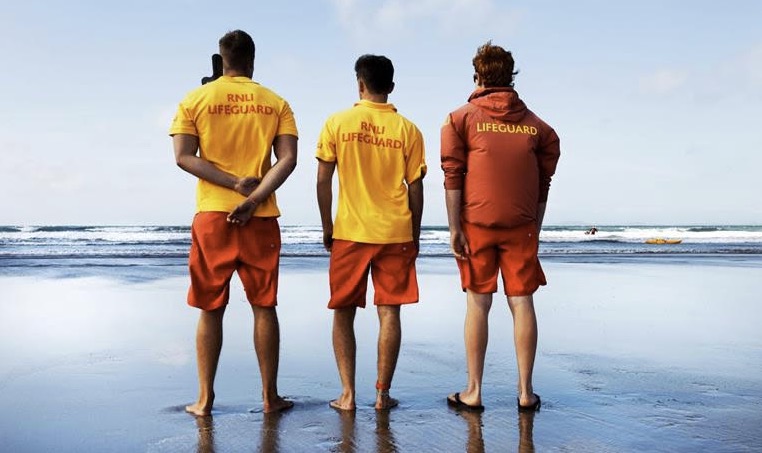
The Royal National Lifeboat Institution (RNLI) has issued safety advice as lifeguard patrols end across Wales this weekend.
Sunday 7 September marks the close of the peak season for RNLI lifeguards, with only Whitesands Beach in Pembrokeshire remaining patrolled at weekends until October half term.
Chris Cousens, RNLI Water Safety Lead for the region, said: “As the season finishes for RNLI lifeguards in Wales, we’re asking people to continue to take care and know how to stay safe at the coast.
“When you visit a beach outside of the lifeguard season, we recommend going into the water with someone else – having someone with you means they can help you or get help in the event of an emergency. Take note of the safety signage at the entrance to the beach which will warn of the local risks and hazards. If possible, speak to someone who knows the area who might be able to provide advice and explain any dangers.
“Always check the weather conditions and tide times and consider your capabilities. If in doubt – it is better to stay out of the water.
“Always carry a means of contact such as a mobile phone, if you get into trouble or see anyone else in difficulty call 999 or 112 and ask for the Coastguard.
“We’re aware that cold water dipping into the autumn and winter is becoming increasingly popular. We advise avoiding doing this alone – it’s safer and more fun to go with someone.
“As we get further into the winter months and the water temperature continues to drop. Enter the water slowly to acclimatise to the temperature and avoid cold water shock. Wearing a wetsuit will keep you warmer. Make sure you do not stay in the water for too long and that you have means of warming up afterwards.
“Be seen by wearing a brightly coloured swim cap or using a tow float.
“If you get into trouble in the water, Float to Live. Tilt your head back with ears submerged and try to relax and control your breathing. Use your hands to help you stay afloat and then call for help or swim to safety if you can.”
The RNLI also reminded beachgoers that the winter months bring harsher conditions, with bigger waves, stronger winds and an increased risk of rip currents.
Advice for anyone caught in a rip current includes not attempting to swim against it, wading if possible, swimming parallel to the shore to escape, and always raising a hand and shouting for help.
The RNLI’s Float to Live advice is to tilt your head back with ears submerged, relax and control your breathing, move your limbs to stay afloat, and practise swimming in a supervised location.
Despite the absence of lifeguards during the off-season, RNLI lifeboats remain a 24-hour search and rescue service operating from 238 stations around the UK and Ireland. Anyone in difficulty at sea should call 999 and ask for the Coastguard.
Check live fuel prices near you before you set off.
Spotted something? Got a story? Email news (@) deeside.com

NEW: Add Deeside.com as a preferred source on Google to see more of our trusted coverage when you search.
Latest News