New Welsh Government guidance strengthens local air quality and noise responsibilities
Sections of the Environment (Air Quality and Soundscapes) (Wales) Act 2024 relating to Local Air Quality Management and Smoke Control Areas officially came into force today, 31 July 2025.
New Welsh Government guidance has been published to help councils across Wales meet their expanded duties under the Act, which aims to improve the air people breathe and the sound environment.
The Act requires local authorities to carry out yearly reviews of air quality, declare Air Quality Management Areas (AQMAs) if standards are not met, and develop action plans with clear goals.
It also introduces civil penalties for smoke pollution in designated Smoke Control Areas, aiming to make enforcement easier and more effective.
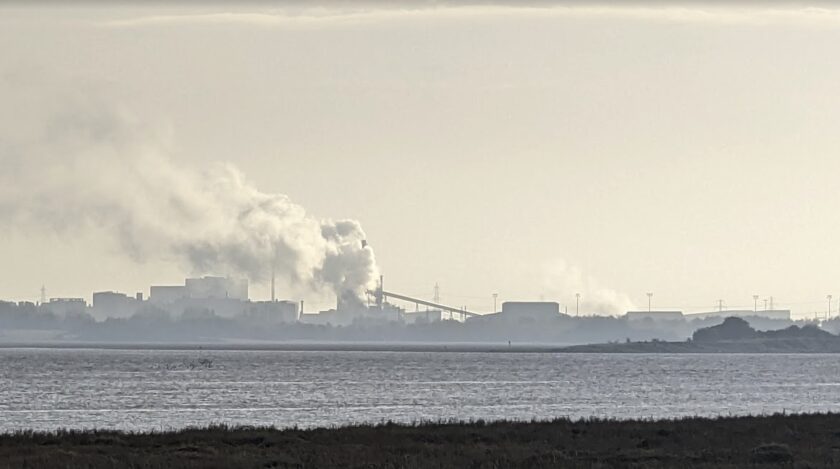
For residents across Wales, this means councils will be more actively monitoring local air pollution, especially nitrogen dioxide and particulate matter from road traffic and industry, and involving communities in shaping responses.
The guidance stresses the importance of councils working closely with public health bodies, local health boards, Natural Resources Wales, and community groups to deliver lasting improvements.
It also highlights the need for councils to take a long-term view, integrating air quality plans with land use, transport, and climate policies. This includes addressing pollution hotspots, supporting cleaner transport options, and creating greener spaces to reduce pollution and noise.
Community involvement is a key part of the approach, with councils expected to engage residents and businesses early when developing local action plans and to provide clear, accessible information about air quality in their area.
Councils will also be expected to collaborate with neighbouring authorities on regional strategies where air quality issues cross borders, making efforts more efficient and consistent.
The Act’s new soundscape provisions require councils to consider noise and its impact on wellbeing alongside air pollution. This is part of a broader Welsh Government commitment to improve quality of life through healthier environments.
The Deputy First Minister and Cabinet Secretary for Climate Change and Rural Affairs, Huw Irranca-Davies MS, said: “The World Health Organization has described air pollution as the world’s largest single environmental health risk.”
He added: “The quality of air we breathe affects our health and well-being every minute of the day.”
On enforcement changes, Irranca-Davies said: “The Act and associated guidance make it easier for Local Authorities to take enforcement action by introducing civil monetary penalties, to replace current criminal sanctions, which can be instigated by Local Authorities where smoke is emitted from a chimney within a smoke-control area.”
He also said the Welsh Government is committed to supporting councils: “In implementing the relevant sections of the Act, the Welsh Government is continuing to support Local Authorities to make sustained improvements to air quality for their local communities.”
Residents can expect more frequent reporting on local air quality, as councils must publish annual progress reports including monitoring results and updates on plans to tackle pollution.
The guidance emphasises the particular risks air pollution poses to vulnerable groups such as children, older people, and those with pre-existing health conditions. Schools, care homes, and hospitals should be given special consideration in monitoring and action plans.
Check live fuel prices near you before you set off.
Spotted something? Got a story? Email news (@) deeside.com

NEW: Add Deeside.com as a preferred source on Google to see more of our trusted coverage when you search.
Latest News