Chester Zoo calls for better tracking of rare pitcher plants
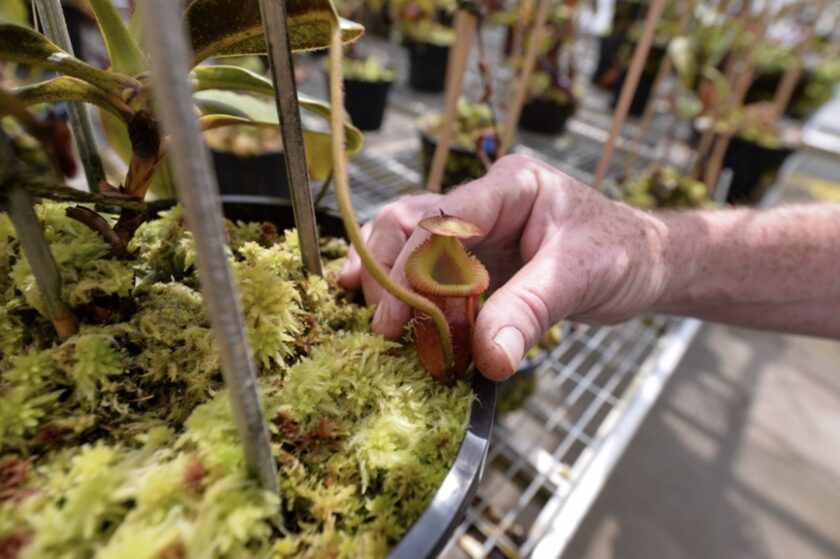
Scientists at Chester Zoo are urging the horticultural community to treat ‘weird’ Nepenthes pitcher plants more like animals to improve their chances of survival.
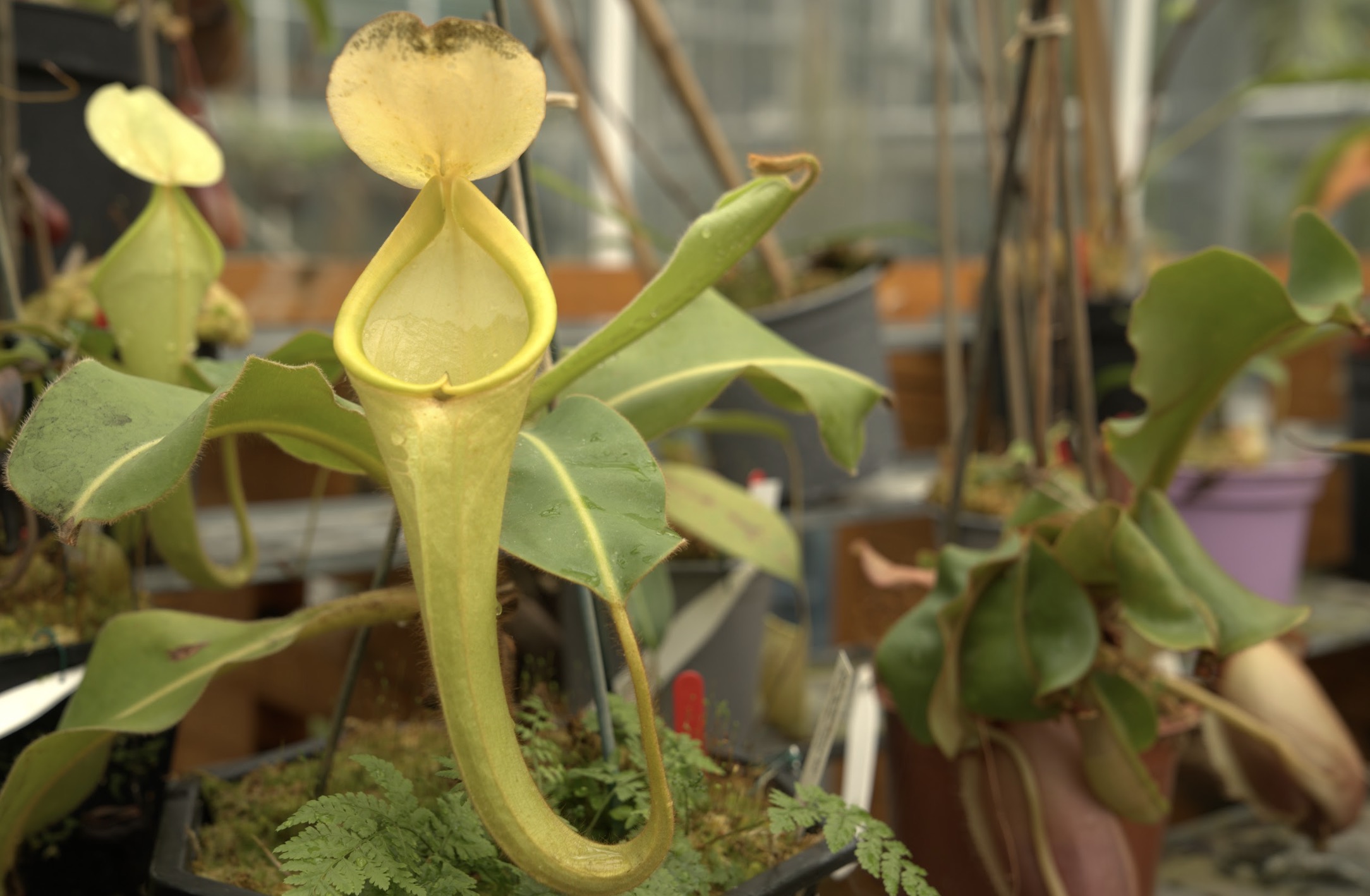
Nepenthes are tropical carnivorous plants known for their pitcher-shaped traps that drown and digest insects. Some species, like Nepenthes rajah, have pitchers up to 40cm tall. They also exhibit unusual behaviours, such as encouraging small mammals to use their pitchers as toilets to gain fertiliser.
Olivia Murrell, a Chester Zoo conservation scholar, said: “Nepenthes are intriguing because they are carnivorous and look very alien. They are managed like most plants, but corpse flowers are treated more like animals, given names, and tracked by their parentage. There is a bias toward charismatic species, and corpse flowers are a rare example of a charismatic plant. Other plants, like Nepenthes, could benefit from that attention.”
Nepenthes plants are spread across habitats from Madagascar to the Pacific Islands. Many are endangered, but data on some species remains limited. Unlike animals, plants often lack a universal database to monitor their genetics and breeding. The zoo community uses studbooks and the Zoological Information Management System (ZIMS) to track animals, but plants rarely have such comprehensive records.
For species extinct in the wild, botanical gardens and collections may be the last refuge. Creating plant studbooks and universal databases could help botanists coordinate breeding, pollen, and seed exchanges to maintain genetic diversity and support restoration efforts.
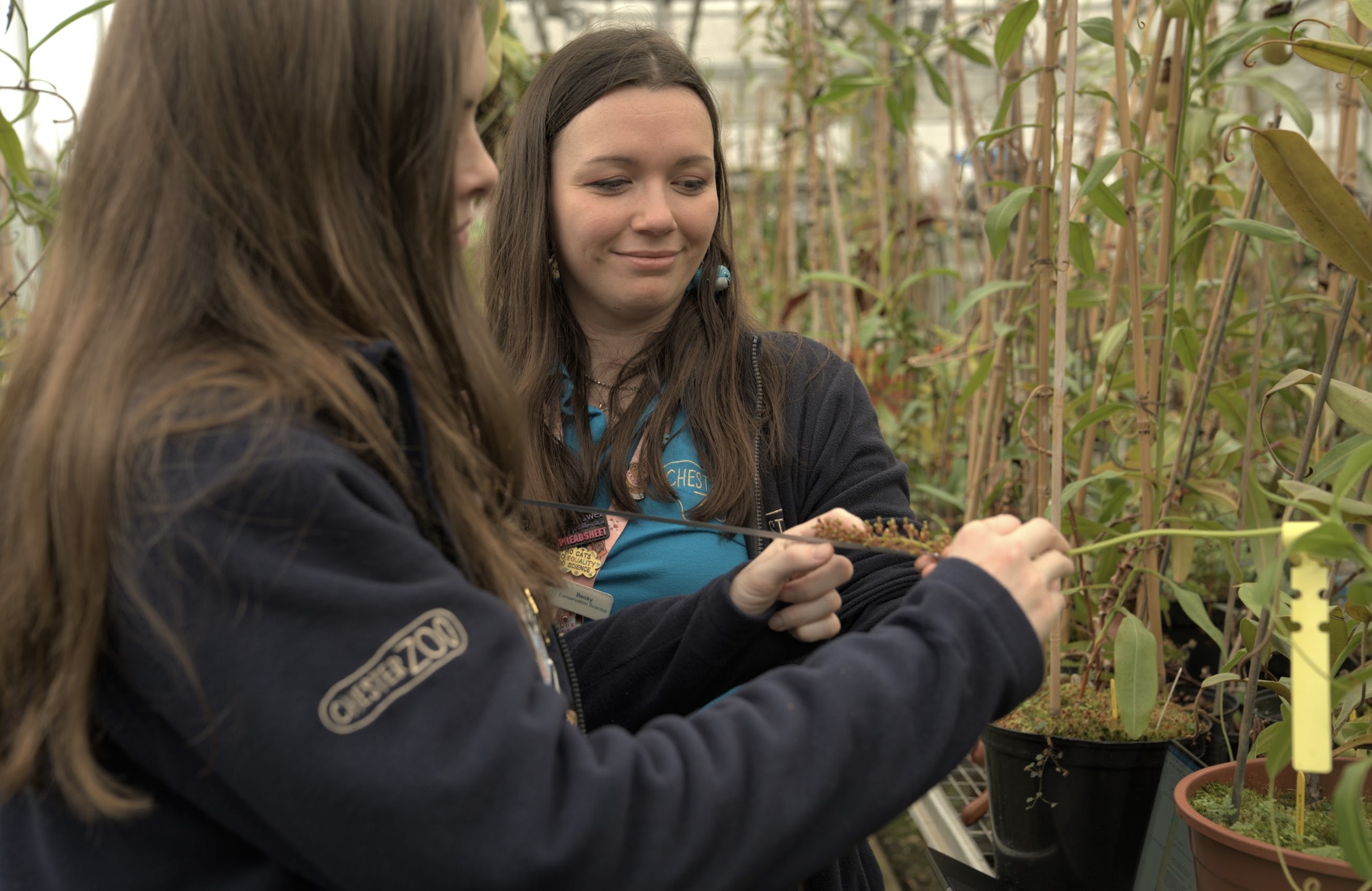
Ms Murrell’s research at Manchester Metropolitan University and Chester Zoo aims to fill gaps in knowledge about Nepenthes plants, using the zoo’s National Plant Collection to log detailed information. She said, “The data is very holey right now. It often doesn’t include a plant’s origin, parents, or detailed traits.”
Rebecca Lewis, Conservation Scientist at Chester Zoo, supports the work: “Having the largest UK collection gives us a great starting point for population information and studbook implementation. When large organisations adopt new practices, it often influences private collectors and horticulture at large.”
Visitors to Chester Zoo can see Nepenthes plants at the Plant Project display area.
Check live fuel prices near you before you set off.
Spotted something? Got a story? Email news (@) deeside.com

NEW: Add Deeside.com as a preferred source on Google to see more of our trusted coverage when you search.
Latest News