Bheri the rare snow leopard cub makes debut at Chester Zoo
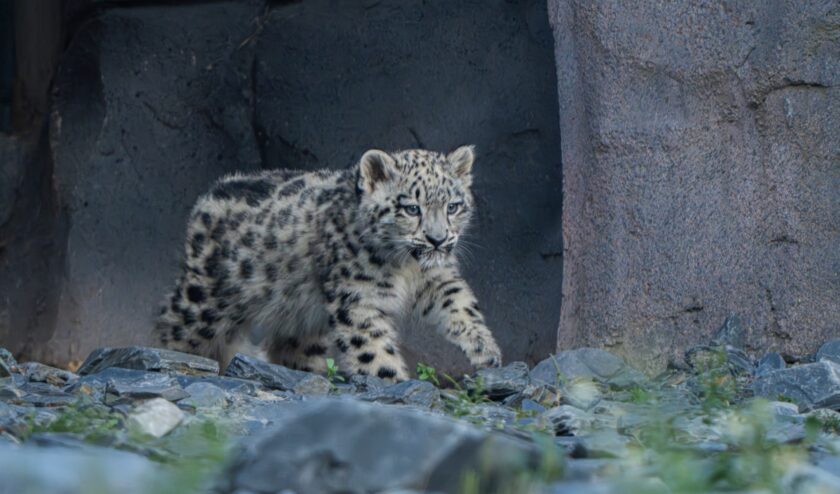
A rare snow leopard cub, the first to be born at Chester Zoo in its 94-year history, has taken her first steps outside, with keepers also revealing her name.
The 10-week-old female, born to first-time parents Nubra and Yashin, had been kept inside a secluded den since birth. Images of the cub shared via the zoo’s cameras have been viewed by millions worldwide.
Now, she has begun exploring the zoo’s Himalayan habitat alongside her mother.
Following thousands of name suggestions from visitors and online followers, conservationists selected the name Bheri. It references the Bheri River in Nepal, a nod to the mountainous regions where snow leopards live in the wild.
Rachael Boatwright, Assistant Team Manager of carnivores at Chester Zoo, said:
“After several weeks of watching Nubra and her cub behind the scenes on our cameras, it’s just fantastic to see Nubra gently guide her precious cub into the outside world for the very first time.
“She is already so full of confidence and character as she playfully explores her new surroundings. Nubra is proving herself to be a wonderfully attentive first-time mum, staying close by and keeping a watchful eye as her cub explores further and further each day – it’s a real privilege.
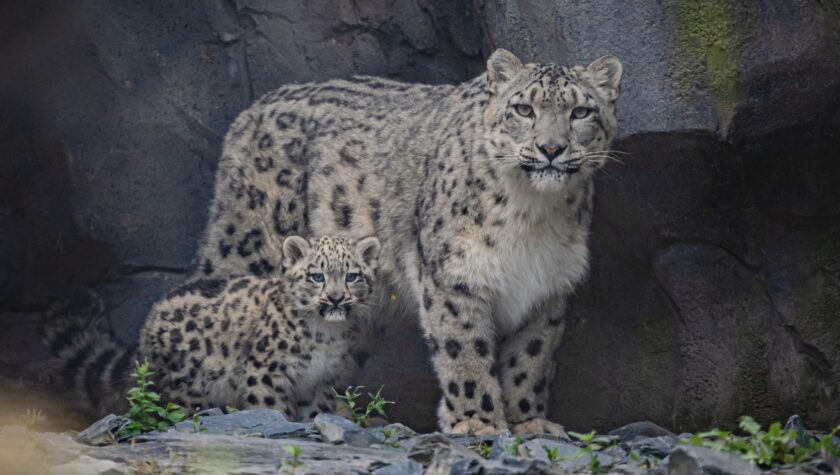
“We were overwhelmed by the volume of name suggestions we received. In the end, we decided to honour the cub’s wild mountain roots, where our teams work closely with the Snow Leopard Trust to protect this species in the wild. We feel that, naming her Bheri is a fitting tribute to that important work.”
The cub is part of the European endangered species breeding programme, which aims to maintain a healthy and genetically diverse population of snow leopards across conservation zoos in Europe.
Alongside its breeding work, Chester Zoo is also partnering with the Snow Leopard Trust and communities in Kyrgyzstan to reduce conflict between humans and wildlife, protect key habitats and support sustainable livelihoods.
Fewer than 4,000 snow leopards are thought to remain in the wild, with the species classed as vulnerable to extinction due to habitat loss, poaching and climate change.
Check live fuel prices near you before you set off.
Spotted something? Got a story? Email news (@) deeside.com

NEW: Add Deeside.com as a preferred source on Google to see more of our trusted coverage when you search.
Latest News