Back to school: guidance for parents on tackling bullying
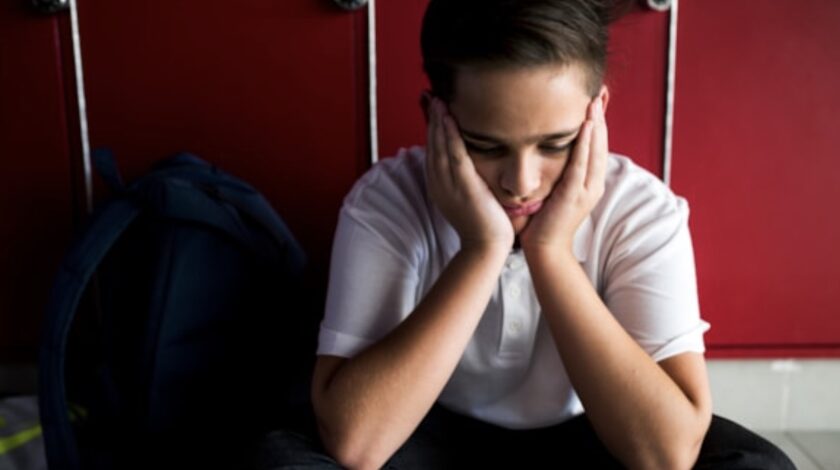
With pupils across the UK returning to school this week, parents are being reminded to look out for signs of bullying.
Education training experts at High Speed Training have outlined common indicators that a child may be experiencing bullying, and the best ways parents can respond.
Dr Richard Anderson, Head of Learning & Development at High Speed Training, said: “There are several signs that could indicate that your child is being bullied at school. It’s important to note that whilst these can often be signs of bullying, there may be other explanations, so it’s best to avoid jumping to conclusions until you have the full picture. Children are often reluctant to raise the issue with adults as well, fearing that the situation may get worse if they tell someone.”
Some of the potential signs include unexplained cuts or bruises, sudden changes in behaviour such as withdrawal or changes in eating habits, falling academic performance, reluctance to attend school, missing belongings and offensive or inappropriate messages received online.
Dr Anderson said: “If you’ve discovered that your child is being bullied, it’s important to respond calmly and be supportive. Finding out your child is in distress will likely make you feel angry and protective, but it’s important not to act rashly in a way that could make the situation worse.”
He advises parents to let children talk through their experiences, remain neutral while listening, and offer reassurance and support. He added that retaliation should be strongly discouraged and non violent solutions discussed instead.
“It’s also important to remember to keep your own emotions in check, and not let them dictate your actions. Storming off to confront the bully or their parents, or kicking up a fuss in school might be the last thing your child wants, and could even make the situation worse. This will also likely put your child off from wanting to discuss this or similar issues with you in future,” he said.
Once parents have spoken to their child, raising the issue with the school is advised. Dr Anderson said: “Make an appointment with the school, and work with them to solve the problem. Remain calm and confident, and avoid blaming the staff at the school. Make sure you have all the information you need, and a clear idea of what you and your child want to happen next.”
He added that parents should continue to monitor the situation, document incidents, and raise concerns with the school if the bullying does not stop. If necessary, families can escalate concerns through the school’s complaints procedure or to Ofsted.
Further help and support can be found through the Anti Bullying Alliance at: https://anti-bullyingalliance.org.uk/tools-information/advice-and-support/if-youre-being-bullied/find-help-and-support
Check live fuel prices near you before you set off.
Spotted something? Got a story? Email news (@) deeside.com

NEW: Add Deeside.com as a preferred source on Google to see more of our trusted coverage when you search.
Latest News