AI-Driven Environmental Monitoring in Deeside’s Green Spaces
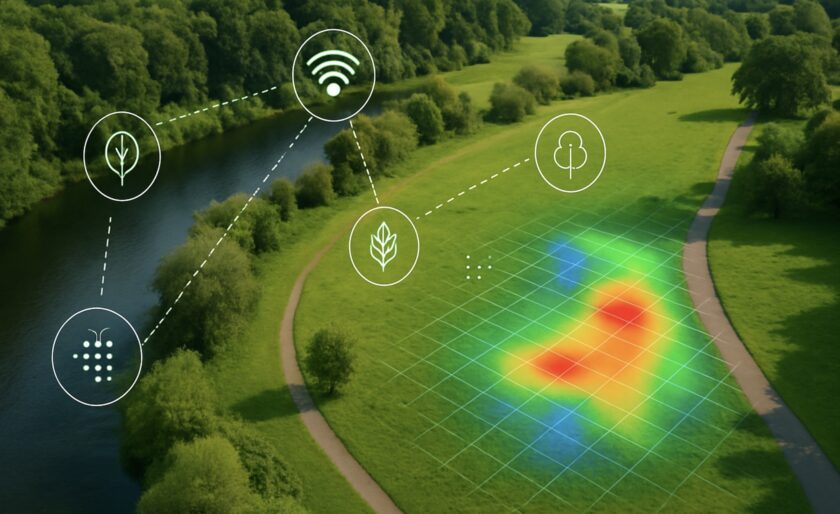
Green spaces are essential lungs for any region, especially for communities like Deeside that cherish local parks, coastal paths, and biodiversity-rich habitats. As pressures from climate change, pollution, and urban expansion increase, traditional monitoring methods such as field surveys or manual imagery analysis fall short. Enter artificial intelligence (AI): a powerful ally in transforming environmental monitoring into a smarter, faster, and more inclusive practice.
Just as you might use a free chatgpt – Overchat AI solution to quickly reshape a text for clarity, AI in environmental management helps us take existing green infrastructure and refine our understanding—enabling nuanced, real-time insights that empower decision-makers and conservationists alike.
Why AI Matters for Green Spaces in Deeside
Deeside boasts a diverse environmental profile: riverside paths, industrial-adjacent woodlands, and recreational parks. Yet monitoring these areas can be labor-intensive, slow, and susceptible to human error. AI introduces several critical advantages:
- Real-time data capture: AI systems can process sensor feeds, satellite imagery, or acoustic recordings immediately.
- Scalability and coverage: AI can effortlessly track expansive tracts of land, unlike manual foot patrols.
- Fine-grained accuracy: Machine learning models detect subtle changes—like vegetation health or species movement—that traditional methods can miss.
In short, AI transforms environmental monitoring from periodic “snapshots” to continuous, actionable intelligence.
AI Tools Transforming Green Space Monitoring
Satellite Imaging and Vegetation Mapping
Recent research highlights AI systems that leverage satellite data to map urban green cover more precisely than ever before. Machine learning models can identify trees, grass, and shrubs in urban and suburban settings—spotting up to 37% more vegetation than earlier methods. This is invaluable for regions like Deeside, where habitat fragmentation and uneven greenery distribution are key concerns .
Biodiversity Monitoring via eDNA and Acoustic Sensing
Another innovation combines environmental DNA (eDNA) analysis with AI to non-invasively detect elusive species. AI processes genetic fragments from water or soil samples to infer presence and movement of local fauna. This technique, paired with citizen-contributed data, scales biodiversity monitoring while conserving resources .
In parallel, bioacoustic monitoring frameworks—such as acoupi—deploy on-edge AI tools to detect birds, bats, or other sound-producing species using devices like Raspberry Pi. Deployed in Deeside’s parks or towpaths, these systems could provide real-time species tracking while reducing data load by filtering out human or irrelevant noise.
Monitoring Sensitive Species: Curlews and Urban Wildlife
Ground-nesting birds like curlews are ecological indicators sensitive to habitat disturbance. In Wales and northwest England, AI models (e.g., YOLOv10-based detectors) have achieved over 90% accuracy in automatically spotting curlews and their chicks via camera traps. Such systems help conservationists act swiftly when habitats are threatened.
Enhancing Wellbeing in Green Spaces
AI also enhances human engagement with parks. Nottingham Trent University is pioneering a project that embeds AI and low-cost sensors in green spaces across the UK to promote physical activity, mental health, and social connectedness. Deeside could benefit by integrating similar smart technologies in its community parks.
Local Relevance: Why Deeside Should Invest in AI Monitoring
Deeside’s combination of industrial sites, overlapped ecosystems, and community hubs calls for an adaptive monitoring approach. Here’s how AI can deliver real impact:
- Targeted habitat restoration: AI-generated green maps help prioritize areas for tree planting or park creation.
- Wildlife conservation: Continuous species tracking reveals population shifts early—enabling timely protection measures.
- Citizen science engagement: Community-sourced eDNA or acoustic data fosters local stewardship.
- Health and wellness: Smart sensors personalize park experiences—informing walkers about air quality, biodiversity, or leisure events.
Challenges & Ethical Considerations
Data Privacy and Inclusivity
Deploying sensors—even for good causes—raises privacy concerns. Careful policies must ensure that AI systems in parks respect personal data, especially in public-use areas while still delivering transparency and informed consent.
Model Bias and Ecological Blindspots
AI isn’t flawless—it reflects the biases of its training datasets. Plant and animal species rarely prioritized in datasets can be underdetected. Locally-curated data, perhaps via university partnerships, is essential to ensure relevance and fairness.
Costs and Technical Capacity
Even with low-cost hardware, initial setup and expertise can be barriers. Deeside may need to collaborate with academic or regional institutions (like UKCEH or local universities) to build capacity—both technical and interpretative.
Towards a Smarter, Greener Future
To maximize AI’s potential in Deeside’s environmental monitoring, stakeholders should:
- Launch pilot programs—for instance, modern satellite mapping of tree coverage, or acoustic monitoring in key green areas.
- Foster collaborations—tap into expertise from UKRI-funded nature-positive AI initiatives and Innovate UK–backed projects.
- Engage community and citizen science—citizen participation enhances data richness and fosters local environmental ethos.
- Ensure sustainability—design AI systems that minimize energy use and resource consumption, in line with responsible AI guidelines.
Conclusion
AI-driven environmental monitoring offers Deeside a transformative opportunity. Whether it’s detecting habitat degradation, mapping green cover, or monitoring iconic local species, AI enables continuous, accurate, and actionable insights.
Balancing cutting-edge tools with ethical, inclusive deployment can help Deeside safeguard its green spaces for both biodiversity and community wellbeing. In doing so, AI becomes not just technology, but a vital partner in conservation and local engagement.
Check live fuel prices near you before you set off.
Spotted something? Got a story? Email news (@) deeside.com

NEW: Add Deeside.com as a preferred source on Google to see more of our trusted coverage when you search.
Latest News