Survey highlights mental wellbeing challenges for young, female, and marginalised groups in Wales

Looking after our mental wellbeing is more vital than ever, but a new survey by Public Health Wales has uncovered stark inequalities in how people experience and understand mental wellbeing.
The research, involving over 1,200 participants across Wales, highlights how factors like age, gender, ethnicity, disability, and health have a bigger influence on mental wellbeing than access to resources or opportunities.
Who’s Most Affected?
Young people, women, ethnic minorities, those with disabilities, and individuals in poor health reported lower levels of mental wellbeing.
The survey also revealed a significant knowledge gap about how to improve mental wellbeing, particularly among men, younger people, 18–29 years old, and those with disabilities or poor health.
What Helps Mental Wellbeing?
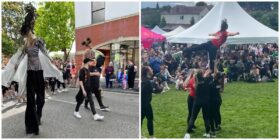
Participants highlighted a variety of activities that support their mental wellbeing, with physical activity and spending time in nature emerging as the most popular, particularly among those in their 30s.
Women were more likely to engage in creative pursuits and connect with others through clubs and organisations.
Social connections, including support from family, friends, or groups with shared interests, were also crucial for many.
However, finding time for meaningful activities proved challenging, with only half of respondents satisfied with their free time.
This was especially difficult for carers and parents of young children, who often struggle to carve out time for themselves.
Barriers to Wellbeing
Despite widespread recognition of the importance of mental wellbeing—93% agreed it’s important to take action—many face obstacles like cost and time.
Emily Van de Venter, Consultant in Health Improvement for Public Health Wales said, “It’s so important that people understand how they can look after their mental wellbeing.”
“The people we spoke to in our survey mainly highlighted costs and time as being a barrier to taking part in activities, but we know that even small things like getting outside, or noticing what we’re grateful for can make a difference and don’t involve a lot of time or money.”
“We hope that our Hapus programme will help people find ways of connecting with activities that help them to feel good and function well.”
Public Health Wales plans to use these findings to shape support for those most in need.
Check live fuel prices near you before you set off.
Spotted something? Got a story? Email news (@) deeside.com

NEW: Add Deeside.com as a preferred source on Google to see more of our trusted coverage when you search.
Latest News