Natural Resources Wales demands urgent action as Welsh Water pollution hits decade high
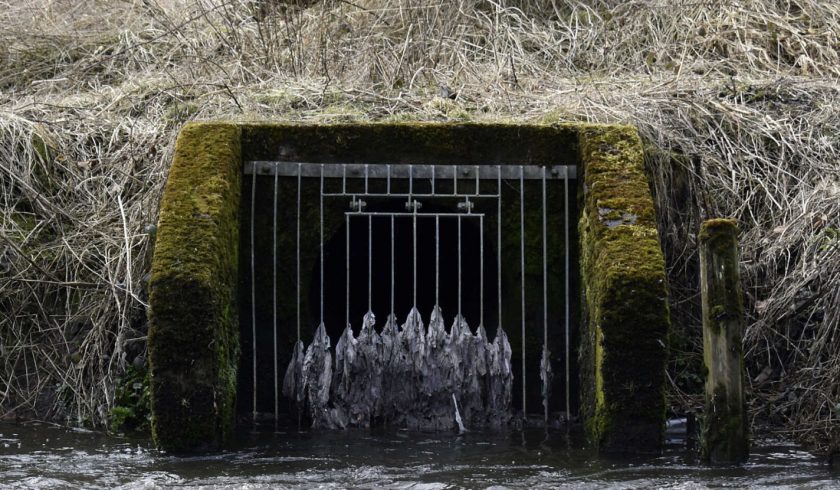
Natural Resources Wales (NRW) has issued a warning to Dŵr Cymru Welsh Water, demanding urgent and fundamental changes after the company recorded the highest number of sewage pollution incidents in a decade.
New data published today, 18 July, shows Dŵr Cymru was responsible for 155 pollution incidents in 2024, with 132 of these linked to sewerage assets.
This represents a significant rise compared to previous years.
The number of sewage-related pollution incidents increased from 89 in 2022 to 107 in 2023, and then sharply to 132 in 2024, marking a 42% increase over the last ten years.
While incidents related to water supply have decreased in recent years, pollution from sewerage assets continues to worsen.
NRW’s Head of Regulation and Permitting, Nadia De Longhi, highlighted the severity of the situation.
“We’ve seen a huge deterioration in the performance of Dŵr Cymru Welsh Water since 2020, and despite repeated warnings and interventions they’ve been unable to reverse this concerning trend,” she said.
Ms De Longhi added that the regulator’s priority is to prevent environmental damage through compliance, but prosecutions have become necessary.
“This has left us with no choice but to pursue a number of prosecutions against the company which have recently concluded. This is not the outcome we want, nor the best outcome for the environment, our priority will always be to bring companies into compliance and prevent environmental damage from happening in the first place.”
Among the 155 pollution incidents recorded in 2024, six were classified as serious (category one or two), a slight decrease from seven the previous year.
Five of these serious incidents were related to sewerage assets, all category two, which indicates significant harm to the environment.
Analysis over the past decade reveals that foul sewers, storm overflows, and water treatment works have been the main sources of pollution.
Specifically, foul sewers accounted for 423 pollution incidents, combined sewer overflows 168, and water treatment works 166 over ten years.
NRW has taken a range of enforcement actions against Dŵr Cymru Welsh Water, including prosecutions, formal cautions, and notices.
Since 2015, four enforcement notices and 24 formal cautions have been issued, alongside ten prosecutions which have resulted in fines totaling £1,930,427.
Additionally, Dŵr Cymru has contributed over £170,000 to local environmental charities through enforcement undertakings.
To improve future performance, NRW plans to introduce a new team in 2025 dedicated to increasing monitoring of water company discharges and compliance checks.
Guidance linked to new Pollution Incident Reduction Plans (PIRPs) will become a legal requirement from April 2026, requiring water companies to set targets for reducing pollution annually.
Ms De Longhi said: “We will be increasing our capacity for monitoring and auditing discharges, clamping down on unpermitted storm overflows and introducing tighter criteria for annual performance reporting. This will ensure we are receiving the best quality data about the impact of water company operations on the environment and can respond appropriately.”
Dŵr Cymru also falls short of NRW’s target for self-reporting pollution incidents, which is set at 80%.
In 2024, the company self-reported 74% of incidents. NRW regards high self-reporting as crucial for rapid response and effective pollution control.
NRW’s full environmental performance report for Dŵr Cymru Welsh Water will be published later this autumn.
A Dŵr Cymru Welsh Water spokesperson said:
“We acknowledge the concerns raised in the report and accept that while the number of serious pollution incidents has slightly reduced, our performance is not where it needs to be. The industry across the UK has seen increases in pollution incidents.
“We are rightly being held to a higher standard and have improved our processes to meet this challenge, with better monitoring leading to detecting more short-lived event and better reporting.
“We are accelerating investment in key areas to reduce pollution incidents with a £4bn investment programme that includes £2.5bn on environmental projects.
“While we have made progress, such as increasing the number of incidents we find and self-reporting, we know more needs to be done.
“We remain committed to working constructively with NRW to deliver improvements and will be engaging closely on their new requirements and guidance, including the development of Pollution Incident Reduction Plans and further use of smart technology to spot problems in the sewer network before they can cause a pollution.”
Check live fuel prices near you before you set off.
Spotted something? Got a story? Email news (@) deeside.com

NEW: Add Deeside.com as a preferred source on Google to see more of our trusted coverage when you search.
Latest News