Medical Cannabis: What Patients Should Know
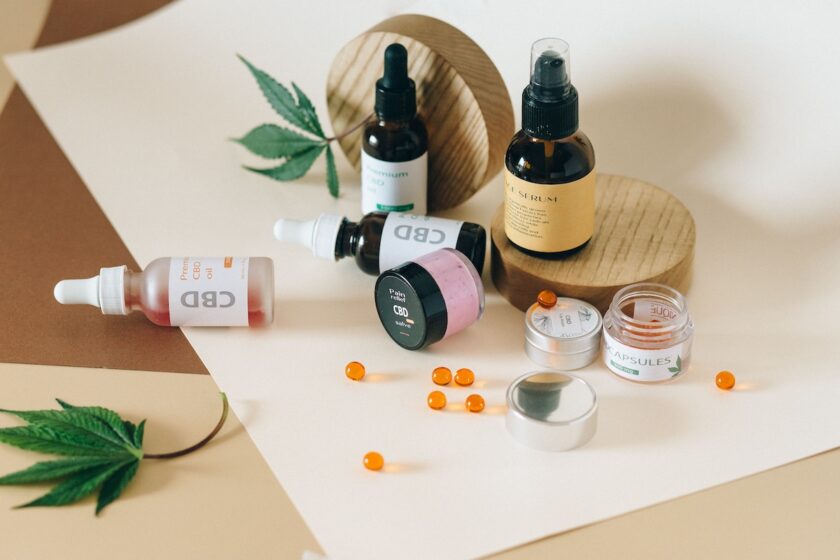
Medical cannabis has moved from the fringe into mainstream healthcare across a growing list of countries. Patients now use it for conditions ranging from chronic pain to epilepsy, under medical supervision. The science is still maturing, but the framework around it has become far more structured.
That structure matters, because medical use is not the same as casual use. Patients turn to regulated suppliers such as The Herb Centre, which sells lab-tested product online with clear labeling and budget options from around $50. This guide covers what medical cannabis is used for, how patients access it safely, and what to raise with a doctor first. Rules vary by country, so always check what applies where you live.
What Conditions Does Medical Cannabis Treat?
A specific list, not a cure-all. The strongest evidence supports a handful of conditions, and responsible clinicians stick to those.
Chronic pain is the most common reason for a prescription. Cannabis-based products can help where standard painkillers fall short or carry their own risks. For many patients, the goal is better function rather than a complete absence of pain.
Other recognized uses include certain forms of epilepsy, nausea from chemotherapy, and muscle spasticity in multiple sclerosis. The evidence is stronger for some of these than others. A good prescriber is honest about where the research is solid and where it is still thin.
It helps to set realistic expectations. Medical cannabis rarely works like a switch, and the right product and dose can take weeks to settle. Some patients see a clear benefit, others a modest one, and a few none at all. Treating it as a trial with a doctor, rather than a guaranteed fix, leads to better decisions.
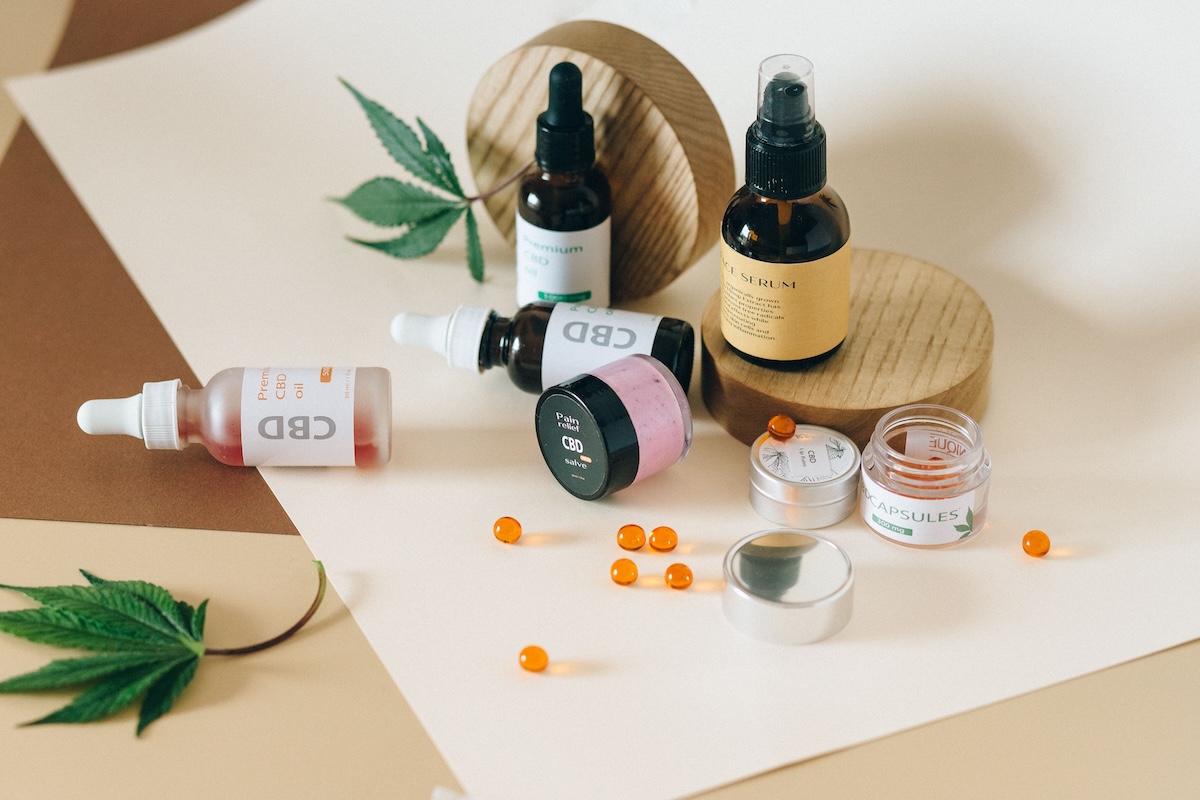
Photo by Nataliya Vaitkevich on Pexels
How Do Patients Access It Safely?
Safe access follows a clear path, and skipping steps is where people get into trouble. Work through it in order:
- Start with a doctor. A qualified prescriber assesses whether cannabis suits your condition.
- Get a proper diagnosis. Medical use should follow a documented medical need.
- Use a regulated source. Lab-tested, labeled product is the only safe option.
- Confirm the dose. Start low and adjust only under guidance.
- Track the response. Keep notes on what changes, good or bad.
Each step protects you from the two big risks: an unsuitable product and an unsupervised dose. Medical cannabis has been legal by specialist prescription in the UK since 2018, and more than 30 countries now allow some form of medical access. Doses often start in small steps, such as 2.5 mg or 5 mg, and rise slowly. A regulated supplier and a willing doctor together remove most of the danger.
What Should You Discuss With a Doctor?
Everything that could interact with treatment, and nothing held back. Your doctor needs the full picture to prescribe safely.
Tell them about other medications first. Cannabis can interact with blood thinners, sedatives, and some psychiatric drugs, so the list matters. Honesty here is not optional, it is the difference between help and harm.
Mental health deserves special attention. Health Canada’s guidance on cannabis and mental health notes real risks for some people, particularly with high-THC products. Pharmacies now do more of this frontline screening, with pharmacy consultations reaching record levels in Wales.
Bring a written list of your conditions and medications to the appointment. It saves time and stops something important being forgotten. The more your prescriber knows, the more precisely they can match a product and a dose to you. Vague answers lead to vague prescriptions.
Does Product Quality Affect Treatment?
More than almost anything else. With a medicine, consistency is the whole point, and that depends on the supplier.
| Factor | Why It Matters for Patients |
| Lab testing | Confirms potency and screens for contaminants |
| Clear labeling | Lets you dose accurately and repeatably |
| Consistent supply | Keeps a working treatment from being interrupted |
| Product range | Allows a doctor to match format to the condition |
| Storage advice | Preserves potency over the course of treatment |
Health Canada’s overview of the medical use of cannabis sets out how regulated access is meant to work. Local hospital services and your prescriber remain the first point of contact for anything clinical.
Cost is worth raising too. Prices vary widely, and a steady supply of the same product matters more than chasing the cheapest option each month. A treatment that keeps changing is hard to judge. Ask your supplier about consistency before you commit to one.
What Patients Should Remember
- Medical cannabis has the strongest evidence for chronic pain and a few specific conditions.
- Always start with a qualified doctor, not a self-diagnosis.
- Use only lab-tested, clearly labeled product from a regulated source.
- Disclose every other medication, because interactions are real.
- Quality and consistency matter more for a medicine than for anything else.
Treating It Like Medicine
Medical cannabis works best when it is treated like any other prescription: assessed by a doctor, sourced responsibly, dosed carefully, and reviewed over time. The patients who do well are the ones who respect the process rather than rush it. Approached that way, it becomes one more tool in mainstream care, not a gamble.
Frequently Asked Questions
Is Medical Cannabis Legal Where I Live?
It depends on your country. Many nations now permit medical cannabis through a prescription, though the conditions and access routes differ widely. Some allow only specific products, while others are broader. Check your local healthcare rules and speak to a doctor before assuming access.
Do I Need a Prescription for Medical Cannabis?
In regulated systems, yes. Legitimate medical access runs through a qualified prescriber who confirms a genuine medical need. Buying from an unregulated source without medical oversight is both riskier and, in many places, unlawful. The prescription exists to protect you.
Will Medical Cannabis Make Me High?
Not necessarily. Products high in CBD and low in THC are non-intoxicating, while higher-THC products can cause the familiar high. Your prescriber will aim to match the product to your condition, often favoring formulations that treat symptoms without strong psychoactive effects.
How Do I Know a Supplier Is Trustworthy?
Look for verifiable licensing, third-party lab results, and clear product labeling. A trustworthy supplier publishes this openly and offers consistent stock. If testing or licensing details are missing, treat that as a reason to look elsewhere for your treatment.
Check live fuel prices near you before you set off.
Spotted something? Got a story? Email news (@) deeside.com

NEW: Add Deeside.com as a preferred source on Google to see more of our trusted coverage when you search.
Latest News