How Can I Tell If My Roof Is Properly Ventilated? Key Signs to Check
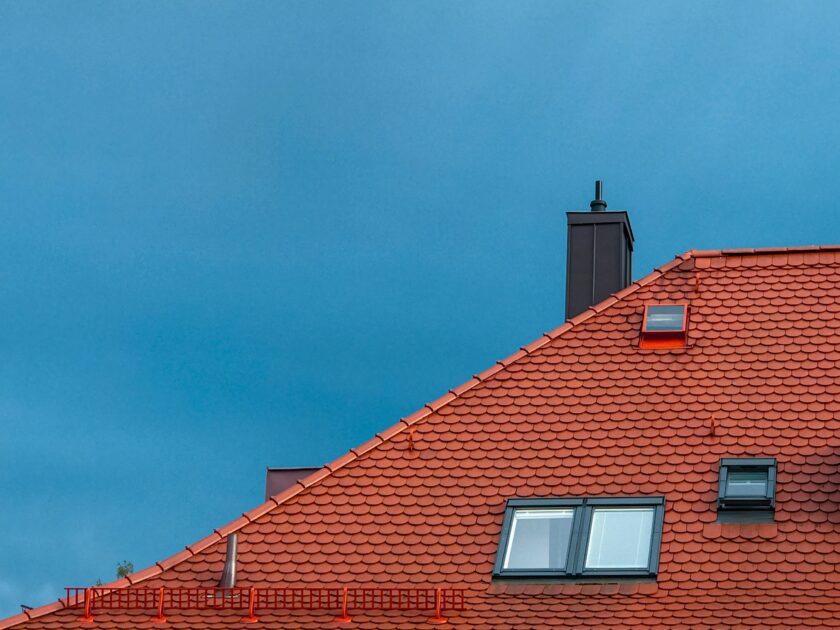
Ventilation in roofs is an often ignored topic but one that is important in ensuring a sound and healthy house. As your roof tiles, insulation or leaks are of concern to many homeowners, good airflow within your roof is critical as well. It has a straightforward impact on the life of your building and comfort within.
The wrong airflow might cause the accumulation of heat and moisture in your attic where the negative consequences could be the growth of mold, wood rot, excessive energy expenditure, and an early roof lifespan.
The present paper is devoted to the investigation of the significance of ventilating the roof, poor airflow symptoms, and ways to fix the issue. Whether you are making repairs to your existing roof or are carrying out a renovation, this guide will tip you off to those ventilation problems early and safeguard your house against the future.
Why Does Roof Ventilation Matter?
Proper roof ventilation can assist in the balance of temperature and moisture content in your attic or loft area. During the summer months, it will release the warm air to lessen the work load of your air conditioners. It also serves to avoid condensation, which particularly can act destructively on wood, plaster and insulation in winter.
The consequences of poor ventilation may have serious implications including:
- Condensation and dampness: As the warm indoor air flows into the cold roof, it forms wetness which results in mould and rot.
- Increased energy costs: Because your attic is cut off with no airflow in summer, it becomes hot and warm up in winter and makes your heating or cooling system work more to combat these conditions.
- Roofing damage: Water entrapment can deteriorate the lifetime of your roofing material, i.e., the wooden beams as well as insulation.
- Unclean indoor air: Mould and moisture might spread to living spaces causing allergies and respiratory problems.
Ventilation is not only to be comfortable, it is to save the whole structure of your house.
What Are the Signs of Poor Roof Ventilation?
Improper ventilation will cause numerous problems with a roof, including the structural damage of a house and higher energy expenses. The following are the major symptoms of poor roof ventilation and the viable remedies to alleviate the same.
1. Loft Condensation
Spotted some water mark on the bottom of the roof, pipes or the insulation? This can be a major sign of ill ventilation. With time, trapped water might cause rotting timber and poor insulation activity.
How to fix it: Look around in colder seasons, and particularly in the morning, for condensation. Increase air circulation with soffit and ridge vent installation or updating.
2. Growth of Mould or Mildew
When mould grows on wooden beams, insulation, or stored materials in your loft or you come across mildew on upper ceilings or walls, the presence of excess moisture should be considered as a warning signal regulated by wrong ventilation.
What to do: Removal of visible mould and the source of moisture should be carried out carefully. Increase ventilation and look to address any vapour barriers or adding extraction fans to avoid a repeat.
3. Winter Ice Dams
In cooler countries, ice dams occur due to the heat that emanates out of a poorly insulated loft and melts the snow on the roof, which refreezes over the edges. This has the ability to entrap water and leave your roofing tiles to leak.
The remedy: Add more insulation so that heat could not be wicked into the roof space and make sure that there is good ventilation so the roof deck could be cold in winter.
4. Hot Air in Chambers in Summer
When the attic or the room up stairs are too hot even to stay in the summer, then it means that the heat is getting accumulated because the roof does not have enough ventilation. This may cause some disadvantages and even increased cooling energy consumption.
What to do: Fit roof vents to eliminate trapped hot air. Soffit and ridge vents are especially effectively used together.
5. Rash Roof Aging
Are the roof tiles curling, cracking and discolouring prematurely? Their wear and tear may be hastened by excess heat and moisture accumulation, and rotting felt or wooden supports.
Action: Get an opinion by a roofing expert on ventilation. A better flow of air may increase the lifespan of your roofing materials.
6. Mouldy Smells on the Loft
High humidity and stale air can be identified fairly early by a squelchy, musty smell in your loft, even in the absence of any visible mould.
What action: Trace the origin of the smell and check the presence of damp areas or damage to water. Intensify the supply of airwide by passive or mechanical ventilation systems.
7. Wet Insulation or Compressed Insulation
When you find that your loft insulation is clamped or flattened, chances are it has been affected by moisture. Water-logged insulation no longer has the capacity to trap heat and may result in the growth of mould.
How to fix it: Reinstall any broken insulation and work to fix any ventilation problems that may have occurred in the future. Think about breathable insulation materials that control moisture better.
With the help of these indicators of a bad roof ventilation, you can save your house, reduce the energy costs, and make your house a healthier place to live. Durable and comfortable home all year round.
How to Check If Your Roof Is Properly Ventilated
There is no need to wait until problems appear in order to evaluate the ventilation in your roof. These few steps will allow you to consider the state of yours and wake up with an assurance that your system works effectively.
1. Exterior Vents Inspection
Begin observing those visible vents on your property:
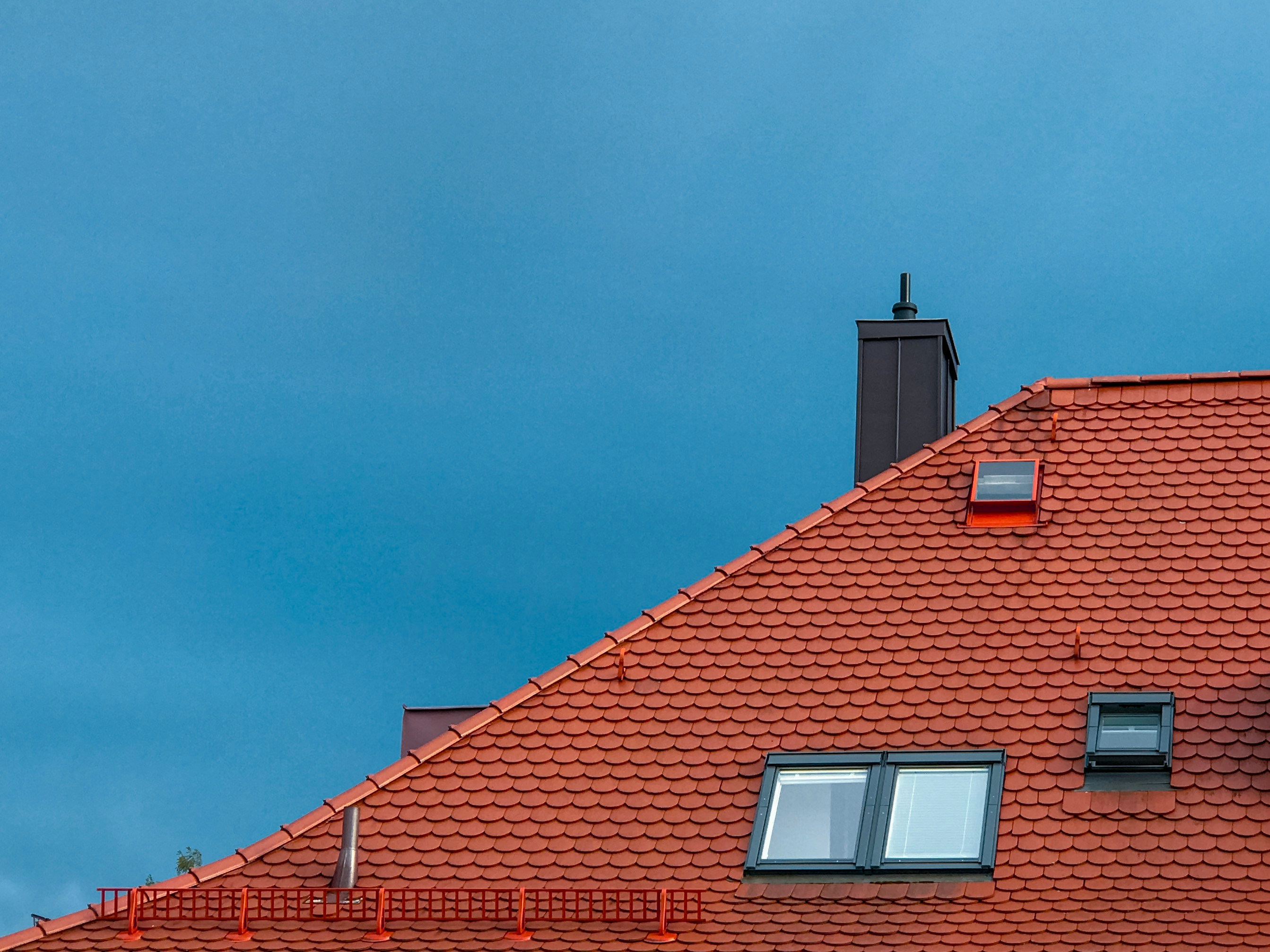
- Soffit vents: At the bottom of the eaves.
- Ridge vents: Are installed at the highest point of the house.
- Tile vents: Look like a small hole or raised tile on the roof.
- Gable vents: These are located on the attic side walls.
A lack of vents, or by having only one type, would be a symptom that your ventilation system might be out of balance.
2. Attic Attic Airflow test
Go out on a windy, dry day to your attic. Ideally, one should get a slight breeze flowing around. When the air is stagnant or stuffy or too warm, this might be a sign of internal blocked or inadequate ventilation.
3. Check for Obstructions
Vents are prone to get blocked with insulation materials, debris, or even bird nests. Check soffit vents to make sure they are not covered. Also, check ridge vents to make sure they are not covered and blocked off. Packing material tightly against the edges of the roof can prevent air passage so during insulation note that you do not pack tightly against the edges.
Doing these things will enable you to detect ventilation problems before they become too big, and it will also ensure your roof will be in one of its best conditions.
How Much Ventilation Does Your Roof Need?
The roof ventilation rules of thumb are that where a loft has an area of 100 square metres, one square metre of the vent area should be provided.
Such ventilation must be equally spaced between intake vents (usually at the soffits) and exhaust vents (along the ridge or roof slope).
But ventilation requirements may change depending on your roof design, insulation material and the area climate. All of these factors are part of what is needed to find the right amount of airflow.
To get the optimal effect, it is advisable that you consult a roofing expert who will be able to assess your house and advise the best ventilation system in your particular case.
How to Improve Roof Ventilation
Provided that your roof has no sufficient ventilation, there are also a number of ways in which you can resolve the problem:
- Put on soffits and ridge vents: Vents provide an uninterrupted airflow where fresh air comes in through the eaves and out at the top of the roof.
- Install tile vents: Tile vents are invisible and they are fairly easy to add after your roof has been created. Ventilating your roof using tile vents will help increase airflow with minimal effect on the way your roof looks.
- Adequately insulate the loft: Insulation should be installed without covering up existing vents and utilizing breathable materials in order to establish proper circulation of air.
- Install membranes on top of your roof: membranes will make your roof dry and release the moisture that cannot come out.
- Fit vapor barriers: This gives little chance of warm moist air penetrating into the loft and causing condensation.
Contact a roofing expert before any modification. They are able to create a ventilation system that best fits the structure of your home at the same time abiding by regulations associated with building.
Expert Roof Ventilation and Roofing Services with Point Roofing & Guttering
We understand that at Point Roofing & Guttering the right ventilation of a roof is crucial in guarding your property and giving it an even longer life. Our skilled personnel can handle all the trapped moisture components or airflow in general.
Our services include advanced ventilation solutions, such as professional ventilation analysis, professional installation of soffit and ridge fans, as well as installation of insulations that ensure good airflow. Having reached more than 20 years of experience, we design each solution to transform your home into its unique shape and conditions.
We guarantee all our roofing services leaving you to enjoy a peace of mind, and in the process saving you on energy costs and long-term damages. Put your roof ventilation needs in our trusted hands. Call us today at 01603 905 295 and ask us to inspect your property and give you a free inspection to take care of your roof ventilation requirements properly and expertly.
FAQs
What are signs of poor attic ventilation?
Poor attic ventilation can lead to a hot attic, uneven roof temperatures, roof sagging, and peeling interior or exterior paint. You may also notice ice dams during winter months and excessively hot living space in summer.
How does proper attic ventilation affect heating and cooling systems?
Effective roof ventilation improves air circulation, reduces cooling costs, and supports your home’s energy efficiency. Without adequate airflow, warm air builds up, making heating and cooling systems work harder.
What causes roof ventilation problems?
Roof ventilation problems often result from improper attic ventilation, blocked intake and exhaust vents, poor attic insulation, or poor insulation overall. These issues can allow too much moisture and cause costly repairs or roof leaks.
Which vents help maintain effective roof ventilation?
Turbine vents, box vents, and wind turbines help keep air flowing through the attic space. When installed correctly with asphalt shingles and by a qualified roofing contractor, they prevent damage and extend roof life.
Conclusion
To protect your home, save energy, and stay comfortable year-round, a proper roof ventilation system is essential.
Good airflow prevents moisture buildup, mould growth, and extends the life of your roof and insulation. Ignoring ventilation issues can lead to costly repairs and discomfort.
By spotting problems early and investing in the right solutions, you can avoid major repairs and improve your home’s efficiency. For expert help tailored to your property, trust a local roofer to provide durable, reliable ventilation systems that keep your roof performing at its best.
Check live fuel prices near you before you set off.
Spotted something? Got a story? Email news (@) deeside.com

NEW: Add Deeside.com as a preferred source on Google to see more of our trusted coverage when you search.
Latest News