Dee Estuary cockle quota lifted to aid conservation
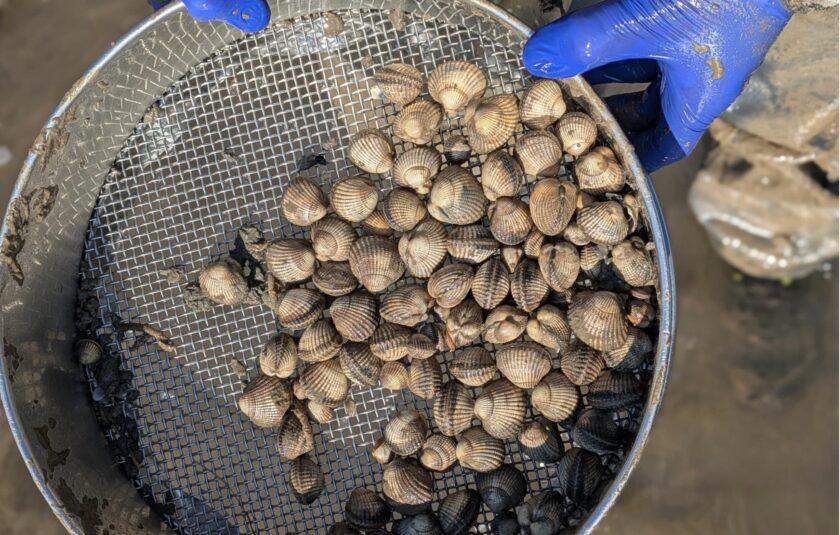
Natural Resources Wales has temporarily increased cockle quotas in one part of the Dee Estuary to thin out unusually dense beds and prevent mass die-offs.
Officials say an exceptionally high number of cockles in the area has created an unusual conservation challenge this year. If beds become overcrowded, large numbers can die off at once, affecting other marine life and the flocks of overwintering birds that feed on them.
The move aims to keep the beds healthy, protect food supplies for birds, and support the incomes of licensed gatherers.
The Dee Estuary is one of the most important cockle fishing areas in the UK and is protected for its wildlife and habitats. It is home to internationally important numbers of wading birds and wildfowl.
Cockle gathering here is tightly controlled. Only hand-raking is allowed, beds are opened and closed individually, and fishing is banned from January to June each year to allow stocks to recover. Quotas can be changed during the season if monitoring shows a risk to wildlife or sustainability.
NRW said: “That’s why we have temporarily increased quotas this year in a specific area where thinning is needed, bringing benefits to both the cockle beds and the local economy.”
“Environmental protection isn’t always about saying ‘no’ – it’s about understanding complex ecosystems and responding accordingly with adaptive management.”
Check live fuel prices near you before you set off.
Spotted something? Got a story? Email news (@) deeside.com

NEW: Add Deeside.com as a preferred source on Google to see more of our trusted coverage when you search.
Latest News