Chester Zoo has been quietly growing one of the world’s rarest plants — now they’ve returned it to the wild
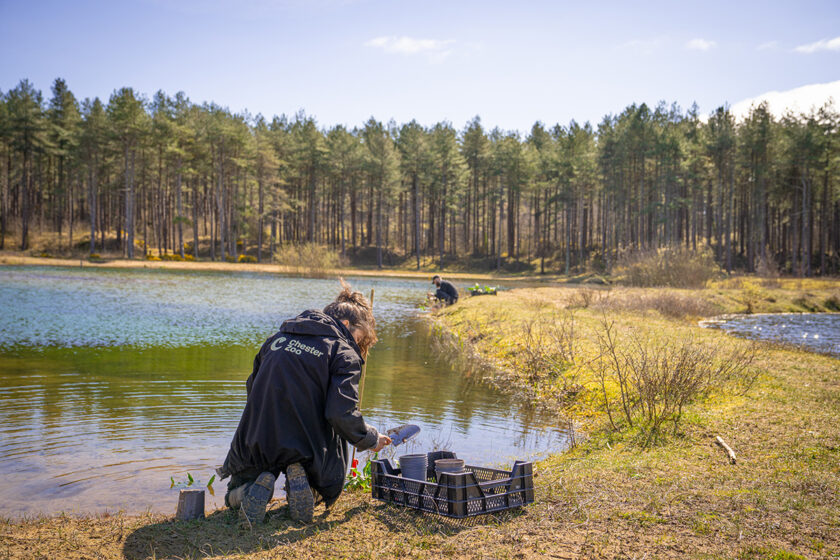
One of the UK’s rarest coastal plants is being reintroduced to the wild in North Wales as part of a major conservation effort to restore its fragile habitat.
Fewer than 5,000 shore dock plants remain worldwide. Last week, more than 500 were replanted at Newborough on Anglesey, one of the species’ most important sites.
The work forms part of a wider programme to restore the coastal conditions the plant depends on, including a balance of freshwater and sandy, open ground. These habitats have declined over time, putting the species at risk.
Clare Sampson, project manager for Natur am Byth, said: “In North Wales we are blessed with a beautiful landscape and a host of rare species that deserve to be enjoyed by future generations. Through Natur am Byth we have been given the opportunity to make a difference, and it has been a privilege and a joy to boost the numbers of Shore dock at Newborough, with the aim of making a viable population for sustained growth. Collaboration has been key to success, with great support from Newborough NRW staff, Shore dock expertise from Plantlife, and propagation from Chester Zoo. With such enthusiasts, the work will not stop at the end of the project, and we will continue to work together to ensure a legacy for the species.”
The plants were grown from seed at Chester Zoo under controlled conditions before being returned to the wild.
Phil Esseen, Head of Plants at the zoo, said: “Harvesting, growing and replanting the seeds requires special licenses. Chester Zoo has a license to grow Shore Dock, but the seedlings would never return and establish in the wild without projects like Natur am Byth. We helped 500 plants grow from seed at the zoo’s on-site nursery, and they flourished, growing quite vigorously. They started in a polytunnel and have been kept off-show, partly because there’s not much to see. We used sandy substrate to try to mimic as much as possible the normal conditions they would encounter on the coast. As long as the environment is right, it’s clear they can thrive, and we hope that they continue to do so now that they have been returned to their wild habitat”.
Habitat restoration work at Newborough has included scrub clearance, grazing and improving freshwater conditions to support the species’ recovery.
Graham Williams, Senior Officer for land management at Natural Resources Wales, said: “Tywyn Niwbwrch and Ynys Llanddwyn National Nature Reserve and forest is one of the finest coastal ecosystems in Wales and the UK. Its complex mosaic of habitats supports a dazzling array of specialist and critically endangered species, some of which are only found here or in a handful of locations elsewhere. Caring for such an important ‘Jewel in the Crown’ requires an often-innovative approach to ensure critical ecological processes are restored and then maintained to protect the integrity of the site and its wildlife. Shore Dock is our rarest dock species and grows in particularly challenging and marginal habitat that is much impacted by its location deep within the forest. The planting out of docks grown from seed native to Niwbwrch is one of many interventions at our disposal that will enhance the fortunes of this rare species.”
The programme also aims to support wider biodiversity, including insects and amphibians that rely on the same habitat.
Robbie Blackhall-Miles, Vascular Plants Officer for Plantlife, said: “Shore Dock is assessed by the International Union for the Conservation of Nature as Vulnerable to extinction which gives it the same international threat status as Giant Pandas and Snow Leopards. The project to supplement the population at Newborough will be impactful for this species on a global scale. With The British Isles being home to most of the world’s population, and Wales home to a significant proportion of that, it is important that the population at Newborough is maintained and managed to ensure its continued survival. This project will not only boost the species ability to persist at Newborough but also enable it to reproduce and colonise new sites in the future.”
Conservationists say continued habitat management will be needed to ensure the plants establish and survive long term.
Check live fuel prices near you before you set off.
Spotted something? Got a story? Email news (@) deeside.com

NEW: Add Deeside.com as a preferred source on Google to see more of our trusted coverage when you search.
Latest News