Why Shipping Container Housing Appeals to Millennials and Gen Z
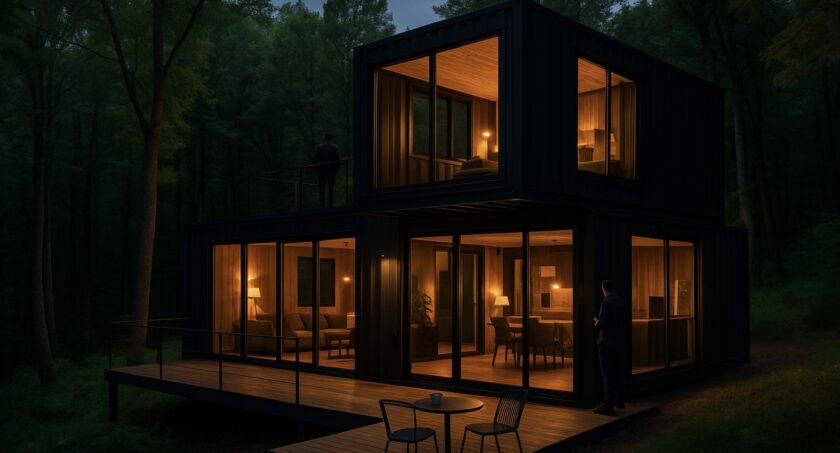
There’s a noticeable shift in how younger generations think about homes: Millennials and Gen Z are increasingly drawn to non‑traditional housing like shipping container homes. It’s not just a design fad many of the drivers are deeply rooted in social, economic, and environmental realities. Here’s a trend‑aware, data‑backed look at why container homes resonate so strongly with younger generations right now.
Why the Housing Crisis Hit Younger Generations Hard
To understand the appeal, you have to start with context.
- Rising cost of traditional housing: Home prices and rents in many urban and suburban markets have outpaced wage growth. Many younger people find traditional housing prohibitively expensive.
- Student debt and stagnant wages: For many Millennials and Gen Z, student loans, high cost of living, and delayed wage growth have compressed ability to save for things like down payments.
- Inaccessible urban property markets: Limited inventory, high per‑square‑foot costs, and zoning restrictions in urban cores make it hard for younger buyers to enter conventional homeownership.
These pressures are pushing many to explore alternative paths: renting longer, co‑living, micro apartments, and yes, container homes.
What Millennials and Gen Z Want in a Home
What are younger generations asking for, and how do container homes match up?
1. Affordability Without Sacrificing Quality
- Container homes often start cheaper than traditional builds. The structural shell exists; many costs are around conversion, insulation, finishes, utilities, etc.
- Because fixtures and designs can be scaled to budget, younger buyers can customize reasonably without necessarily breaking the bank.
- Reduced mortgage/debt burden in many cases lower build cost + possible lower land cost or smaller footprint = less financial stress.
2. Flexibility and Mobility
- Millennials and Gen Z are more likely to shift jobs, move cities, try remote working or hybrid lifestyles. Some value mobility (or at least flexibility) over permanence.
- Container homes can be built moderately off‑grid, or on plots that aren’t expensive, or even shipped and re‑sited in some cases. For people wanting to test new locations (especially remote work), container housing can offer greater freedom.
3. Minimalism and Smart Use of Space
- Less clutter, intentionally sized spaces, and multi‑use interiors are more appealing. Many exhausted the standard “bigger is better” model and want homes that reflect function, not just size.
- Container homes force smart design: lofts, fold‑out furniture, open layouts. They align with the minimalist aesthetic popular on social media and among design‑conscious young people.
4. Environmental Responsibility
- Using reused or recycled shipping containers reduces demand for new structural materials. It appeals to those who care about sustainability.
- Smaller living spaces reduce energy usage (heating, cooling, lighting). Many container home designs incorporate passive solar, eco‑insulation, and renewable energy options.
Why Container Homes Fit This Lifestyle
These are features of container homes that especially match what Millennials & Gen Z are looking for.
Customization Without Complication
Container homes give a base structure steel shell that can be adapted. You can add windows, skylights, modern interiors, kitchen modules, etc. You don’t have to build an entire frame. This means design control with fewer unknowns.
They can be prefab, hybrid (some parts built off‑site), or custom built. That helps reduce cost/time/troubles relative to fully custom homes.
Small‑Scale, High‑Impact Living
- Homes that are “right sized” often mean fewer maintenance tasks, lower utility bills, and “fewer things to break.” That frees up time, reduces stress.
- Many younger people value experiences, travel, moving, creative work spending less time worrying about huge mortgages or big heating bills matters.
Urban and Rural Flexibility
- Container units can work in tight urban lots or rural plots. They are compact in footprint but capable of substantial interior volume (especially if you stack or assemble multiple containers).
- For high‑density or high‑cost land markets, container homes offer options for infill or modular housing.
More Space, Less Waste
While many container homes are compact by nature, larger units provide more flexibility for open‑plan living, home offices, or shared spaces a common need for younger buyers who work remotely or cohabit with roommates or partners. Options like large shipping containers can help maximize interior space without compromising the minimalist ethos, making them especially popular among design‑savvy Millennials and Gen Z buyers.
Social & Cultural Factors Driving Adoption
It’s not just cost or design. Cultural values play a big part.
Instagram‑Worthy Aesthetics
- Bold, modern, or industrial design appeals. Many container homes are visually striking, which helps on social media and in making a statement.
- DIY transformations, creative repurposing, open shelving, exposed steel these kinds of features align with what younger people often share and admire.
Anti‑Traditional Housing Sentiment
- Skepticism about the traditional real estate system: overpriced mortgages, complex financing, lack of transparency. Some see container homes as a way to take control.
- Desire for autonomy: designing your own space, choosing finishes, having more direct involvement in what you live in.
Desire for Passive Income / Multi‑Use Spaces
- Many Millennials or Gen Z are exploring side hustles, remote work, “gig economy” income. Container homes can double as rental properties, Airbnb units, studios or shared workspaces.
- Shared living arrangements are more common: roommates, co‑living, or intergenerational living. Container homes can be configured for shared spaces or multi‑unit layouts.
Data Points & Trends
Some numbers help show how strong the interests are:
- In a U.S. survey by IPX1031, of those who would consider living in a tiny home, 75% are Millennials or Gen Z. Affordability, lifestyle, and lower cost are top reasons.
- Millennials are increasingly the largest group of home buyers. A report from the National Association of Realtors noted that Millennials (both younger and older) constituted a large share of home purchases in recent years.
- Interest in tiny homes is growing: surveys show a majority of younger people Millennials and Gen Z report willingness to consider alternative housing options such as tiny or compact dwellings.
These trends demonstrate real demand, not just idle curiosity.
Challenges Still Facing Younger Buyers
Even with so much alignment, there are real obstacles.
Zoning & Legal Restrictions
- Many municipalities have building codes and zoning laws that don’t clearly allow shipping container homes, or classify them under unusual categories.
- Trailer‑based or mobile units may be treated differently; fixed container homes often require permits similar to standard homes, which can add cost or delay.
Financing Difficulties
- Traditional mortgage lenders often don’t know how to value container homes; appraisal, insurance, resale value are not as standardized.
- May need alternative financing: personal loans, construction loans, or private lenders.
Cost of Land & Retrofitting
- Land in desirable locations is expensive. Even with a cheaper shell, land costs, site work, foundation, utilities hookup can become major expenses.
- Retrofitting used containers (insulating, cutting, sealing, finishing) can surprise people with cost if they haven’t done it before.
DIY Is Hard
- Working with steel requires skills (cutting, welding, sealing, corrosion protection). Mistakes cost.
- Get trustworthy suppliers for containers; quality and condition matter critically (rust, structural repairs, chemical residue, etc.).
Universal Containers & Large Container Options
A practical problem for many young people is: how do you get more space without breaking away from minimalist or affordable ideals?
Larger containers are part of the solution. By using large shipping containers, you can achieve open‑plan layouts, room for home offices, shared living, or communal spaces, without losing the compact, intentional nature of container housing.
Companies like Universal Containers offer large shipping containers suitable for these kinds of designs roomier shells with better ceiling heights or more square footage, which help in making container homes feel less cramped. They allow more layout freedom, better natural light, more usable headroom, or multi‑room configurations, which many younger buyers desire.
Is This the Future of Housing for Gen Z and Millennials?
While container housing isn’t a universal solution, for many in younger generations it represents something increasingly close to ideal.
- Values like sustainability, mobility, affordability, design and autonomy are rising in priorities.
- Remote work, the gig economy, and more flexible life patterns increase feasibility.
- As cities adapt zoning laws, and as suppliers (both container providers and modular builders) innovate, the cost, quality, and availability will likely improve.
According to ApartmentsList, homeownership rates among younger generations continue to lag older cohorts at similar ages a fact driving interest in non‑traditional paths.
Final Thoughts
Why do shipping container homes appeal so much to Millennials and Gen Z? It’s a convergence of several trends:
- Traditional housing is expensive, often unattainable in desirable areas.
- Many young people want living choices that reflect their values: minimalism, environmental impact, design aesthetic, flexibility.
- Container homes offer a strong base structure that can be adapted, customized, and built with lower time and often cost.
- Larger container options make the model more practical for roommates, home offices, and shared living without needing oversized builds.
They are not without challenges: legal, financial, climate, design constraints all matter. But for those willing to plan, adapt, and lean into trade‑offs, container housing isn’t just a novelty it’s becoming a viable, realistic lifestyle option.
If you’re thinking of building a container home yourself, start with good design, a trustworthy supplier, realistic cost estimates, and a clear sense of what you really need (not what you think you want). For many Millennials and Gen Z, this path may offer not only a home but a home aligned with their life, values, and future.
Check live fuel prices near you before you set off.
Spotted something? Got a story? Email news (@) deeside.com

NEW: Add Deeside.com as a preferred source on Google to see more of our trusted coverage when you search.
Latest News