What to Do After a Minor Crash on Roads
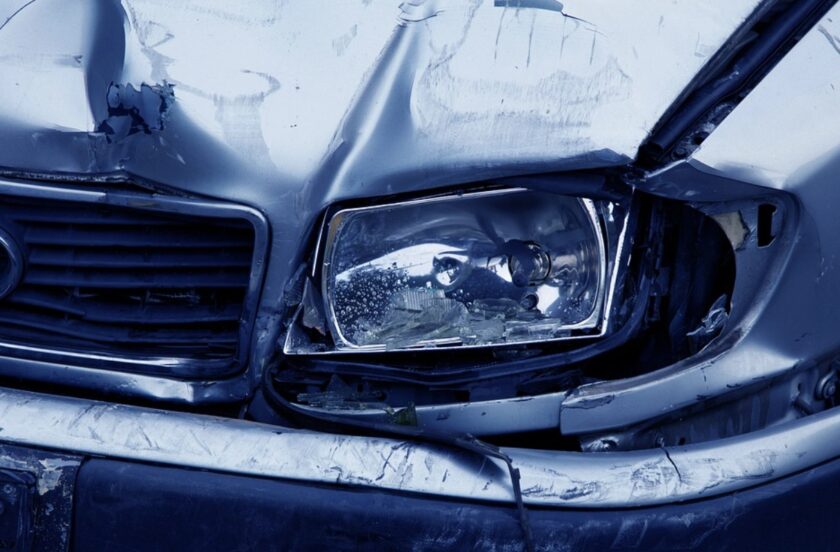
Minor accidents happen unexpectedly. But, whether you’re driving in Deeside or elsewhere, being prepared will help you navigate the situation smoothly.
Here’s what to do…
Ensure Everyone’s Safe
Obviously, safety comes first.
Begin by checking yourself and your passengers for injuries.
And if another vehicle is involved, ensure their occupants are okay too.
Taking these steps prevents further danger whilst creating safer conditions for calmly and effectively handling what comes next.
Turn Off Your Engine and Activate Your Hazard Lights
Once everyone is safe, take the following steps:
- Switch off the ignition promptly.
- Engage your hazard lights to warn others of the potential danger.
- Stay away from moving traffic when stepping out.
- Ensure passengers also exit safely.
Taking control of this step prevents confusion on the road and reduces potential accidents caused by distracted drivers nearby.
Check for Immediate Damage to Vehicles or Property
Next: inspect the vehicles and the surrounding property for any damage.
Here are the key things to check:
- Vehicle body damage (like nasty dents or scrapes!).
- Any leaks of fuel or other fluids.
- Tyre punctures that could worsen driving risks.
Also check if any roadside objects—like signs or barriers—have been damaged in the crash.
Avoid moving vehicles until necessary photos are taken (which we’ll cover later). If the car is obstructing traffic and must be moved, mark its position beforehand.
Identifying these details early ensures you’re better prepared when reporting the incident later on.
Document Key Details at the Scene Carefully
Accurate documentation is essential after a crash.
What to document?
- The time, date, and location.
- The weather conditions or visibility issues (if relevant).
- Other vehicle descriptions: make, model, plates, etc…
Keeping thorough records helps when filing claims with your insurer later on – or in case further investigation arises regarding liability for the damages caused.
Exchange Contact Information With Other Drivers Involved
Connecting with the other drivers involved is a vital step to take. Share your name, address, and vehicle registration details. And request the same from them.
And if there are witnesses nearby, politely ask them for their contact information too. (Why? Witness accounts can prove invaluable in resolving disputes later on!)
Let’s recap. Here’s the information to exchange:
- Names and addresses of all involved drivers.
- Vehicle registration numbers (and insurance details).
- Contact info of witnesses who saw the crash happen.
Staying polite but firm during this process ensures smoother follow-ups without unnecessary arguments or delays over important details.
Take Photos of Damage, Positioning, and Licence Plates
Photos provide clear evidence that can help settle claims.
Use your phone to capture all visible damage to the vehicles involved. That includes close-ups and wider shots for context.
Photograph the positioning of the cars on the road before moving them.
Snap pictures of licence plates from all angles in case they are needed later.
Also, take images of any damaged property nearby.
Remember to photograph:
- All visible damage to vehicles from different angles.
- Overall scene layout with car positions intact.
- Skid marks, broken glass, or road signs that are affected.
- Number plates clearly displayed.
Well-documented photos serve as valuable proof when you’re dealing with insurers or legal matters.
Contact Emergency Services – if Necessary
Minor accidents often don’t require emergency services, but some situations call for immediate action.
If anyone is injured—even slightly—or you suspect damage to public property like street signs or lampposts, contacting the police is a legal requirement.
Similarly, the fire service may need to be alerted if there’s fuel leakage or another safety hazard.
Contact Your Insurance Company and Review Your Coverage
Report the incident to your insurer as soon as possible.
Many insurers require notification within a set timeframe.
Once that’s done, take time to review your policy. Check if it covers repairs or replacements for minor accidents.
Car insurance quote tools can help you explore better options if this experience has shown gaps in your current coverage.
Wrapping Up
Taking the right steps after a minor crash ensures:
- Safety.
- Smooth claims handling.
- Legal protection.
So, stay calm and follow the above guidelines carefully!
Check live fuel prices near you before you set off.
Spotted something? Got a story? Email news (@) deeside.com

NEW: Add Deeside.com as a preferred source on Google to see more of our trusted coverage when you search.
Latest News