Study shows teens see junk food posts every two minutes
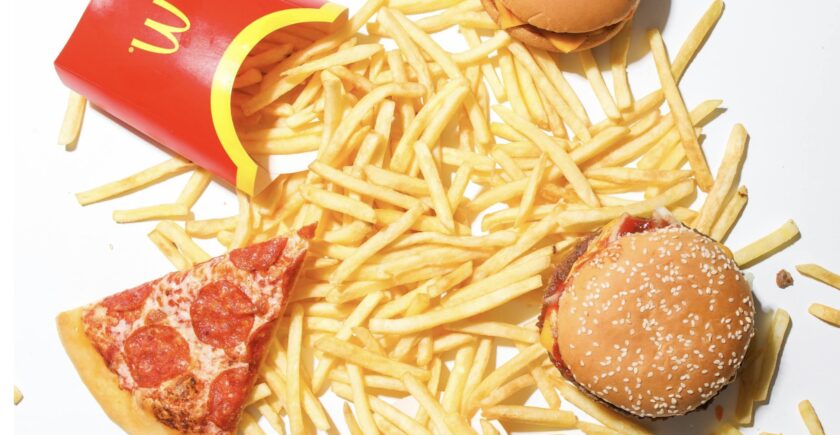
Young people are being bombarded with junk food content on social media, according to new research.
The Digital Influence study, which surveyed more than 4,000 people aged 11 to 21, found that more than half had seen posts promoting high fat, salt and sugar products in the past month. The study was carried out by Cancer Research UK.
Nearly four in ten said they had engaged with the posts, such as by liking or sharing them. Influencer-led content was more popular than adverts from businesses.
Focus groups and interactive tools used in the study revealed that many participants described a constant stream of food content that made them feel hungry or crave certain products. One 15-year-old said: “At least every two minutes that I’m on Instagram I’d see at least one food-related post.”
Research has shown that simply seeing images of unhealthy food can trigger cravings. The study found that many young people viewed influencer content positively, often as entertainment or a way to discover new products. Some participants said it was difficult to tell whether influencer posts were adverts.
The report concludes that current regulations have not kept pace with social media, particularly around influencer marketing.
Liv Cheek, prevention policy manager at Cancer Research UK, said: “Advertising can shape what children eat, so the UK Government must help create an online environment that empowers, rather than undermines, healthy changes.”
Children who are obese are five times more likely to stay obese into adulthood, which increases cancer risk. In England, 22% of children aged 10 to 11 are living with obesity.
New laws are due to be introduced in January 2026 banning paid-for online advertising of certain products and restricting junk food adverts on television before 9pm. Government figures suggest this could reduce childhood obesity by more than 20,000 cases, but campaigners warn the measures have already faced delays and could be weakened without strong enforcement.
Cancer Research UK says the Government, regulators and enforcement bodies must strengthen and monitor advertising laws, fund enforcement properly, and create healthier online spaces for young people.
Liv added: “Planned restrictions on junk food advertising online are a vital step to protect young people’s health. However, these measures must be properly enforced and strengthened by closing any remaining gaps in the online marketing rules. We urge the UK Government and regulators to take bold action to shield young people from harmful marketing that could increase their risk of obesity and cancer in the future.
Check live fuel prices near you before you set off.
Spotted something? Got a story? Email news (@) deeside.com

NEW: Add Deeside.com as a preferred source on Google to see more of our trusted coverage when you search.
Latest News