Senedd report warns of unsafe NHS discharge practices
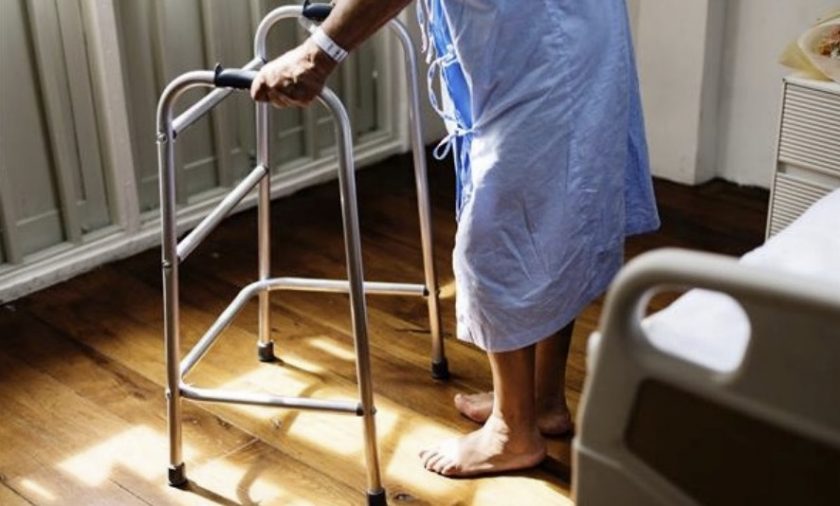
A Senedd Committee is urging major changes to hospital discharge practices in Wales after hearing patients are being prematurely sent to care homes and left without proper rehabilitation.
The Local Government and Housing Committee says a focus on freeing up beds rather than patient recovery often results in people being discharged ‘temporarily’ to residential care homes. Without recovery programmes in place, many deteriorate and are unable to return home.
Its new report calls for the Welsh Government to ensure that intermediate care placements focus on recovery and independence, with therapeutic or nursing expertise provided where needed.
The Committee also raised concerns about NHS Wales’ lack of modernisation, with evidence that fax machines and paper-based systems are still in use. Incompatible IT systems between hospitals, GPs and care teams mean records are fragmented and can delay treatment. A previous national digital system, the Welsh Community Care Information System, failed to deliver as intended and is now due to be replaced by a new Connecting Care programme in 2026.
The Committee heard that during the NHS’s “50-day challenge” to improve hospital flow, only a minority of patients returned home, with most sent into care homes. It warned this amounts to people being prematurely “written off” when therapy-led rehabilitation could have helped them regain independence.
Flintshire was singled out in the report for paying some of the lowest care home fees in Wales. In 2025, there was an annual difference of £12,338 per bed between what Flintshire and Cardiff councils pay for older people’s residential care. For a typical 37-bed care home, that is a funding gap of £456,507 a year. The Committee warned that this postcode lottery in funding makes it harder to secure placements, adding to hospital discharge delays and leaving more people waiting for care.
The Committee also heard evidence about the impact on unpaid carers, with charities reporting that only 0.3 to 0.8 per cent of carers received the statutory assessments they are entitled to in 2023-24. One carer told the inquiry her father was discharged from hospital on a Saturday with one hour’s notice, incontinent and confused, and sent home without pads or support until services restarted on Monday.
Unpaid carers are estimated to save the Welsh Government £10 billion a year through the care they provide, yet many receive little to no support.
John Griffiths MS, Chair of the Local Government and Housing Committee, said, “Reducing hospital waiting times and improving discharge rates cannot be achieved by looking solely within hospital walls. The broader health and social care system is beset by critical issues and sending patients prematurely to care homes is just one part of the problem.
“We also heard how chronic understaffing in the care sector is being exacerbated by a lack of digital modernisation and inadequate data sharing between health and social care, all of which negatively affect patients.”
He added, “We remain frustrated that, in the twenty-first century, the NHS and its partners persist with antiquated technologies – fax machines and paper-based processes – that fragment care and delay action. This failure to adopt standardised, connected electronic care records not only undermines efficiency but also risks patient safety and prolongs unnecessary stays in hospital.”
Check live fuel prices near you before you set off.
Spotted something? Got a story? Email news (@) deeside.com

NEW: Add Deeside.com as a preferred source on Google to see more of our trusted coverage when you search.
Latest News