Senedd: One in two north Wales babies delivered by caesarean last summer, MS reveals
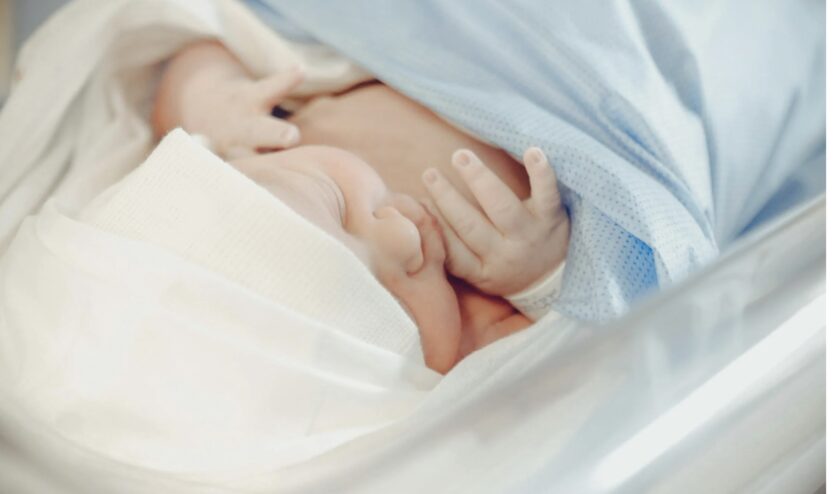
Half of all babies born in north Wales between June and September 2025 were delivered by caesarean section, according to figures raised in the Senedd this week.
Janet Finch-Saunders MS told Health Secretary Jeremy Miles that 50% of births in the region over those four months were caesareans.
The figure is well above the Wales-wide caesarean rate of 35.2% of all births in 2024, as recorded in the national maternity and neonatal assurance assessment published today.
That assessment, led by former Children’s Commissioner for Wales Professor Sally Holland, found that the proportion of women having a spontaneous vaginal birth across Wales has fallen from 63% in 2016 to 54% in 2023.
It said current staffing levels “do not meet the requirements of current population needs, nor the rapid increase in caesarean births and induction of labour.”
Mrs Finch-Saunders said she was receiving reports from mothers that caesarean sections were becoming more common, and questioned whether the health service was determining how children are born.
“I don’t feel the situation in our health service should determine how a child is born,” she said.
Jeremy Miles said his understanding was different.
“Often, it’s the preference of the mother rather than it being offered proactively by the service,” he said.
He acknowledged that the rise in caesarean births had created pressure on services.
“That has implications for the service overall,” he said.
“The complement and mix of staffing is different, as you would expect, and also in terms of the theatre capacity required to deliver that at scale.
That hasn’t caught up with what has been quite a rapid rise in the number of caesarean sections.”
The national assessment found that postnatal care across Wales was “inadequately staffed and supported,” with staff frequently pulled at short notice to cover induction, labour and caesarean births.
Around 6,000 babies are born in north Wales each year.
Betsi Cadwaladr University Health Board recorded 5,605 registered births by area of residence in 2024, with 5,220 recorded by the health board as provider.
The gap between those figures reflects cross-border flows between north-east Wales and England.
One of the report’s recommendations calls for a national service specification for the induction of labour.
Jeremy Miles said the Welsh Government would prioritise bringing that forward.
He said the report was “balanced” and that alongside areas of challenge, “there are areas of excellence and great practice and dedicated professional staff delivering a good service.”
The Welsh Government has accepted seven of the report’s eight recommendations in full and one in part, and announced a three-year improvement programme.
Check live fuel prices near you before you set off.
Spotted something? Got a story? Email news (@) deeside.com

NEW: Add Deeside.com as a preferred source on Google to see more of our trusted coverage when you search.
Latest News