Fewer than half of north Wales children saw an NHS dentist last year, lowest rate in Wales
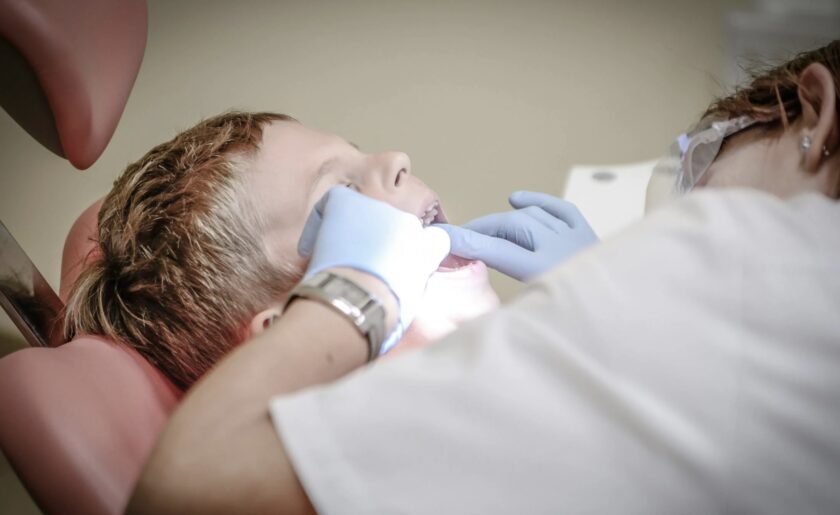
Fewer than half the children living in the Betsi Cadwaladr University Health Board area saw an NHS dentist in the past year, the lowest rate of any health board in Wales.
Welsh Government data published in November 2025 shows 54,016 children were treated by an NHS dentist in the 12 months ending June 2025.
That is 40.6% of the child population in the BCUHB area, which covers Flintshire, Wrexham, Denbighshire, Conwy, Gwynedd and Anglesey.
The Wales-wide figure for the same period was 48.2%.
BCUHB’s rate is 7.6 percentage points below the national average, the largest gap of any health board.
Before the pandemic, in the 12 months ending March 2020, 54.6% of children in the BCUHB area were treated by an NHS dentist.
The current figure of 40.6% is 14 percentage points below that pre-COVID level.
Across Wales as a whole, the recovery gap from pre-pandemic levels is smaller at 10.4 percentage points.
In absolute terms, 73,939 children in the BCUHB area saw an NHS dentist in the year to March 2020.
The latest figure of 54,016 means nearly 20,000 fewer children are being seen.
BCUHB is bottom of the health board table.
The next lowest, Hywel Dda, treated 41.5% of its child population.
Cardiff and Vale, the highest-performing board, treated 54% — more than 13 percentage points above BCUHB.
The gap between BCUHB and the Wales average has widened since the pandemic.
In March 2019 the health board was 5.3 percentage points below the national rate.
By June 2025 that gap had grown to 7.6 percentage points.
Other health boards have recovered faster.
Aneurin Bevan treated 52.8% of its child population in the year to June 2025, up from 60.3% pre-pandemic — a shortfall of 7.5 percentage points from its pre-COVID level.
BCUHB’s equivalent shortfall is 14 percentage points.
In a primary school class of 30 children in the BCUHB area, the figures mean roughly 18 did not see an NHS dentist in the past year.
The data is drawn from dental activity forms submitted for payment and processed by NHS Business Services Authority.
It counts unique patients treated, not appointments or courses of treatment.
The Welsh Government’s own statistical release notes that these figures show the volume of treatment delivered, not the number of people who needed care or were unable to access it.
The June 2025 data is provisional and will be revised at year end.
The data is published at health board level and does not provide a breakdown by local authority area, meaning the specific figure for Flintshire is not available from this dataset.
Check live fuel prices near you before you set off.
Spotted something? Got a story? Email news (@) deeside.com

NEW: Add Deeside.com as a preferred source on Google to see more of our trusted coverage when you search.
Latest News