Connah’s Quay power station developer admits it cannot avoid damaging protected Dee Estuary
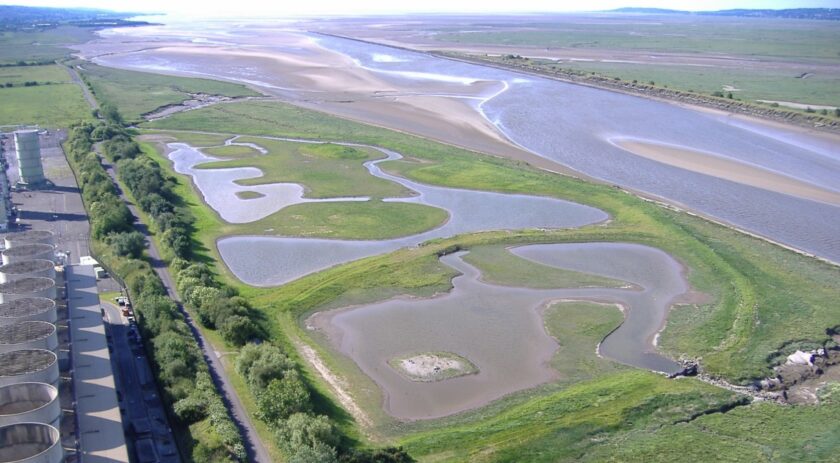
The company behind a proposed new power station at Connah’s Quay has told planning inspectors it cannot avoid causing permanent damage to a protected stretch of the Dee Estuary, and is asking for permission to go ahead anyway on the grounds that Britain needs the electricity.
Uniper, which operates the existing Connah’s Quay Power Station on Kelsterton Road, is seeking consent for a new gas-fired power station with carbon capture technology on the same site.
The project would generate up to 1,380 megawatts of electricity, enough to power more than a million homes, with the carbon dioxide produced being piped to storage facilities under Liverpool Bay via the HyNet network.
But in a new set of documents submitted to the Planning Inspectorate, Uniper formally acknowledged that the development would damage the Dee Estuary, which is protected under UK and international law as a Special Area of Conservation, a Special Protection Area and a Ramsar wetland site.
The Dee Estuary is protected specifically because of its saltmarsh habitat and its importance for birds including curlew.
When a developer cannot show that a project will avoid harming a site with this level of protection, they must either withdraw the application or make a special legal case to proceed despite the harm.
That case is known as a derogation, and Uniper has now formally submitted one.
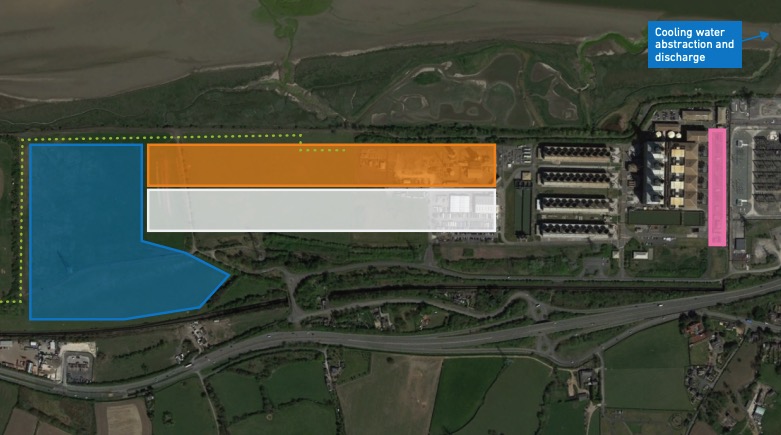
[The new power station is located next to the existing Connah’s Quay power station]
The company is arguing that the national need for low carbon electricity is so pressing that it outweighs the damage the development would cause to the estuary.
One of the starkest admissions in the documents is about drainage.
Uniper states directly that it is currently unable to show there is a viable way to drain the site that would not result in the permanent loss of saltmarsh habitat within the protected estuary.
Construction of a new drainage outfall would destroy up to 650 square metres of saltmarsh, a habitat that takes many years to establish naturally.
The bigger concern is air quality.
Once the power station is operating, its emissions would deposit nitrogen across a large area of the estuary’s saltmarsh.
Uniper’s own modelling predicts that 245 hectares of protected saltmarsh would be affected by nitrogen from this project alone.
When combined with other planned industrial developments in the area, that figure rises to 445 hectares.
To offset the damage, Uniper is proposing to create 1,300 square metres of new saltmarsh by adjusting a section of coastal defence south of the existing power station.
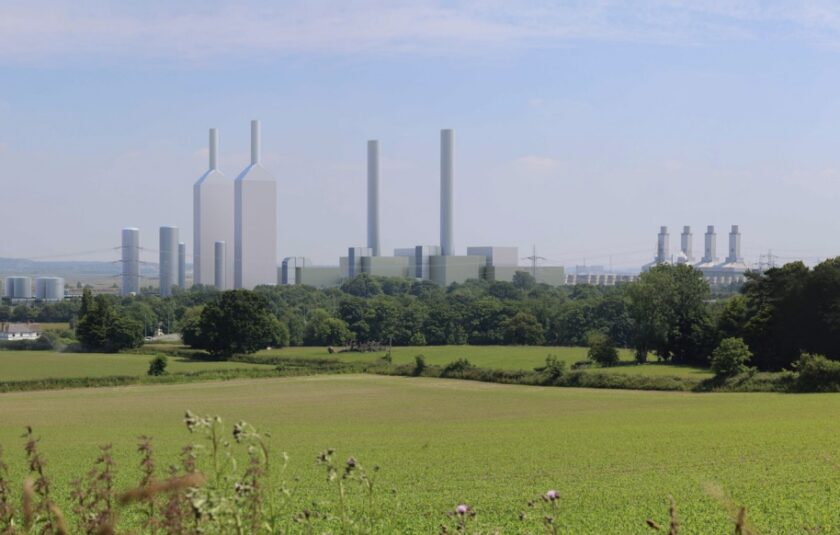
[A computer generated image of the new power station]
That proposed creation area covers less than a third of one percent of the saltmarsh predicted to be affected by nitrogen from this project alone.
Both of Wales and England’s official nature bodies say this is not good enough.
Natural Resources Wales, the Welsh Government’s environmental body, and Natural England both say the measures Uniper is proposing must be treated as compensation for harm caused, not as measures that prevent the harm in the first place.
That distinction matters because the legal rules for compensation under the Habitats Regulations are stricter than those for mitigation.
Natural Resources Wales maintained all of its key concerns in its most recent submission to the examination, dated 31 March 2026.
For the curlew, Uniper is proposing to enhance 25 hectares of land at Gronant Fields near Prestatyn, approximately 21 kilometres from the power station site, to provide alternative foraging habitat.
The project would also result in up to 26 hectares of grassland used by curlews being lost, some temporarily during construction and some permanently during operation.
Uniper’s case for proceeding despite the harm rests on the argument that the project is classed as Critical National Priority infrastructure under government energy policy.
The company says the development would support up to 1,600 construction workers at peak and contribute an estimated £33.24 million to the national economy during the build phase.
It says there is no alternative site in the UK that could meet the project’s requirements, pointing to the existing grid connection, the proximity of the HyNet CO2 pipeline, and the company’s ownership of the land.
The examination of the application is continuing at the Planning Inspectorate under reference EN010166.
Flintshire County Council, as the local planning authority, would be responsible for enforcing the terms of any consent granted by the Secretary of State.
Check live fuel prices near you before you set off.
Spotted something? Got a story? Email news (@) deeside.com

NEW: Add Deeside.com as a preferred source on Google to see more of our trusted coverage when you search.
Latest News