Chester Zoo highlights vital role of wetlands for World Wetlands Day
Chester Zoo is celebrating World Wetlands Day this Sunday by showcasing the rich biodiversity of its wetland habitats and highlighting the importance of protecting these threatened ecosystems.
Observed annually on 2 February, World Wetlands Day raises awareness of wetlands—biomes rich in water where plants and animals have adapted to semi-aquatic conditions.
These include marshes, swamps, bogs, fenlands, and tidal zones, which play a crucial role in storing carbon and supporting unique species.
However, wetlands worldwide face growing threats from climate change and human development.
Ruby Merriman, Estate Biodiversity Manager at Chester Zoo, explained the importance of these environments.
“Wetlands include the mangrove forests in India and the Everglades in Florida, but you don’t have to go far to find a wetland,” she said. “In fact, the Chester Zoo estate, both inside the Zoo itself and in the wider estate, includes a wide range of wetland habitats.”
The site features more than 40 ponds, reedbeds, wet meadows, and small areas of wet woodland, covering over 5.3 hectares—an area larger than seven football pitches.
These habitats support a variety of wildlife, including species rarely spotted elsewhere.
“Our most recent survey showed that alongside the tigers, snow leopards, and rhinoceroses sought out by Zoo visitors, the estate supports a wide variety of species living in the wild,” said Ruby.
“This winter, our bird surveys revealed that wetland species are making good use of our biodiversity areas. We have good populations of woodcock and snipe, with redshank and green sandpiper making a welcome appearance.
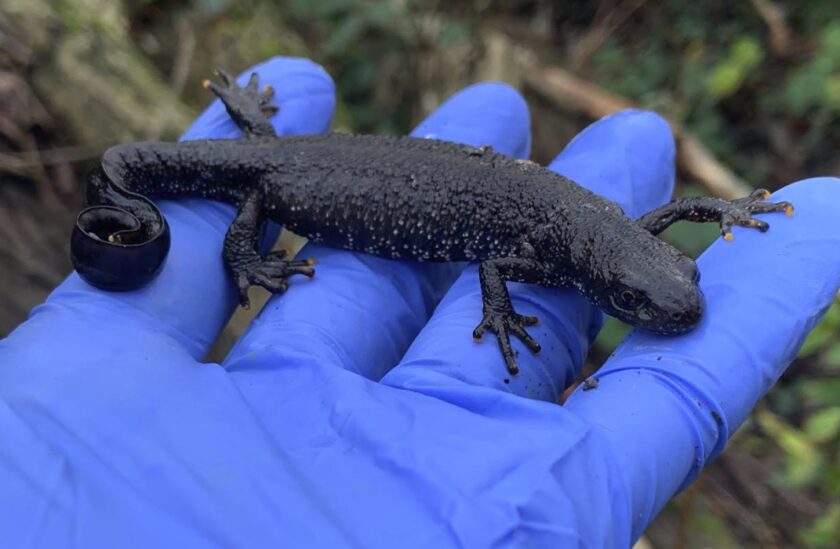
“We also have a large population of great-crested newts, some living wild in the Islands zone, frequent kingfisher sightings, water rail, little grebe, over 10 species of dragonfly and damselfly, and the occasional otter on the estate.”
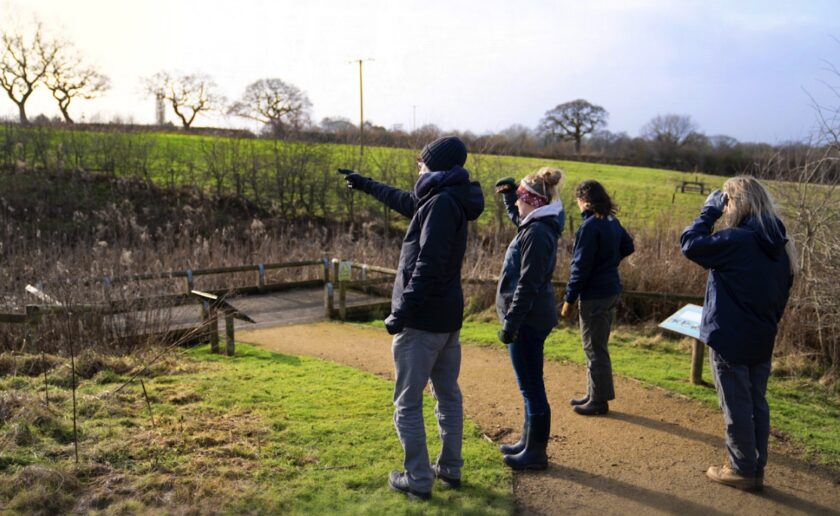
Chester Zoo invites visitors to explore its Nature Reserve, accessible from the Zoo car park, where a circular path takes in several wetland zones. A bird hide also offers the chance to observe species up close.
“We have big plans to improve our wetland areas in the next four years to attract even more wildlife,” Ruby added.
For more information on the Zoo’s conservation projects, visit www.chesterzoo.org/conservation-science-education.
Check live fuel prices near you before you set off.
Spotted something? Got a story? Email news (@) deeside.com

NEW: Add Deeside.com as a preferred source on Google to see more of our trusted coverage when you search.
Latest News