12-hour A&E waits in Wales nearly four times higher than a decade ago, figures show
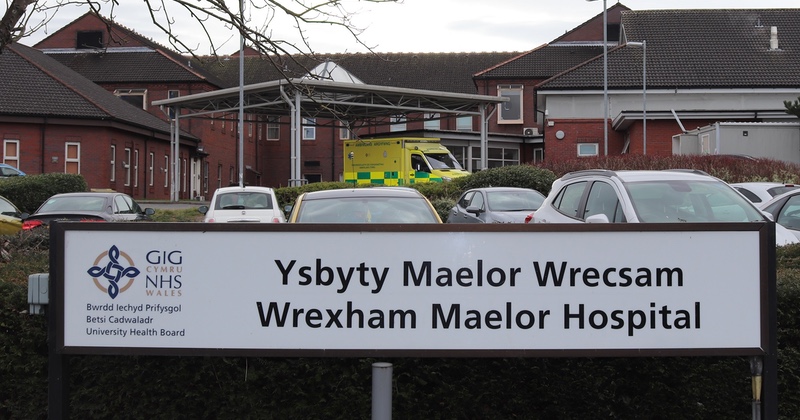
The Royal College of Emergency Medicine (RCEM) has warned that lives are being put at risk by long waits at Wales’ emergency departments.
The comments come after new performance figures revealed that nearly half of all A&E patients waited longer than four hours while one in six faced waits of 12 hours of longer to be seen, treated and discharged.
According to the RCEM, figures show than 11,367 people waited for 12 hours or longer, nearly four times (a 278% increase) the figure for the same month 10 years ago (3,006 people). Yet attendances have increased by just 11% in the same period.
The percentage of patients waiting for four hours of more is 49.3%, which is an increase from last January’s figure of 44.0%
The RCEM said the figures highlight the “urgent need to prevent the increase in patient stress and delay in care.”
Dr Rob Perry, RCEM Vice President for Wales, said: “January’s data shows the harsh reality of the situation in our EDs, and the impact it is having on patients, despite the best efforts of staff, who continue to go above and beyond – not just in January but all year round.
“Our members will always do their best to provide all patients with the care they need, but the systemic problems that are resulting in lengthy waiting times and corridor care only make this difficult task more challenging.
“Long waits for patients increase frustrations all round, but more seriously, put lives at risk.
“To resolve the crisis in EDs, the Welsh government needs to make a public commitment to end overcrowding and improve the flow of patients across hospital pathways.
“It must also ensure enough consultant staffing, and improving IT systems to reduce the administrative burden on staff and reduce clinical errors.
“Only by tackling these issues, will we ensure that EDs can continue to provide the safe levels of care they want to and that their patients deserve.”
The worsening of emergency department waits comes despite separate figures showing wider NHS waiting lists have fallen to their lowest level in almost three years.
Provisional data for January indicate a decrease in total pathways waiting and a decrease in pathways waiting more than two years.
There were just under 741,000 open referral-to-treatment (RTT) patient pathways in December 2025, a decrease of around 16,900 since November.
Welsh Government data shows that 115,700 pathways have been waiting longer than one year for treatment, while 5,200 have waited longer than two years.
The number of pathways waiting less than 26 weeks decreased to 59.4% in December, while the number of pathways waiting longer than 36 weeks decreased to just under 220,000.
Across Wales, just over 32,700 people are waiting longer than a year for their first outpatient appointment, the lowest figure since September 2020.
First Minister Eluned Morgan said treatment waiting time figures showed sustained improvement.
She said: “Seven months of the waiting list falling. The longest waits down by more than 90% from their peak. Tens of thousands more outpatient appointments delivered. This is real progress that’s making a massive difference to people’s lives.
“I made a commitment to the people of Wales to cut the waiting list and the longest waits. That’s exactly what is happening.
“These aren’t just numbers – they are real people having treatment in Welsh hospitals and clinics from hard working and dedicated NHS staff. What they do matters enormously.
“It’s important this momentum is kept up. We will continue to work hard every day alongside the NHS so everyone who needs it receives timely treatment.”
Check live fuel prices near you before you set off.
Spotted something? Got a story? Email news (@) deeside.com

NEW: Add Deeside.com as a preferred source on Google to see more of our trusted coverage when you search.
Latest News