World-first carbon capture cement plant confirmed for Flintshire
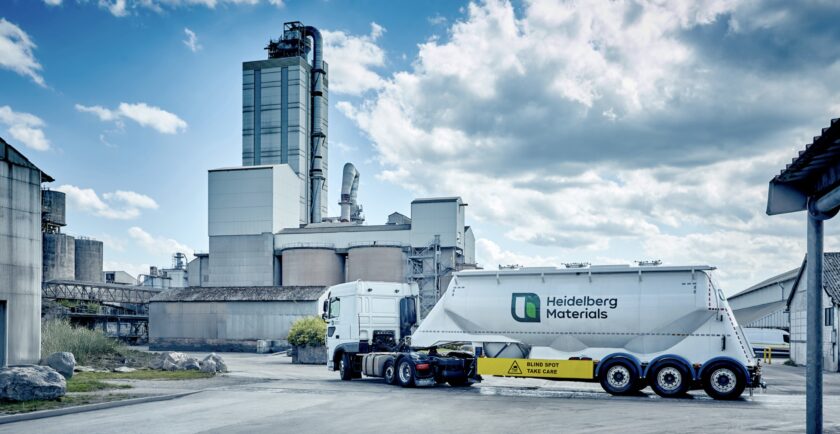
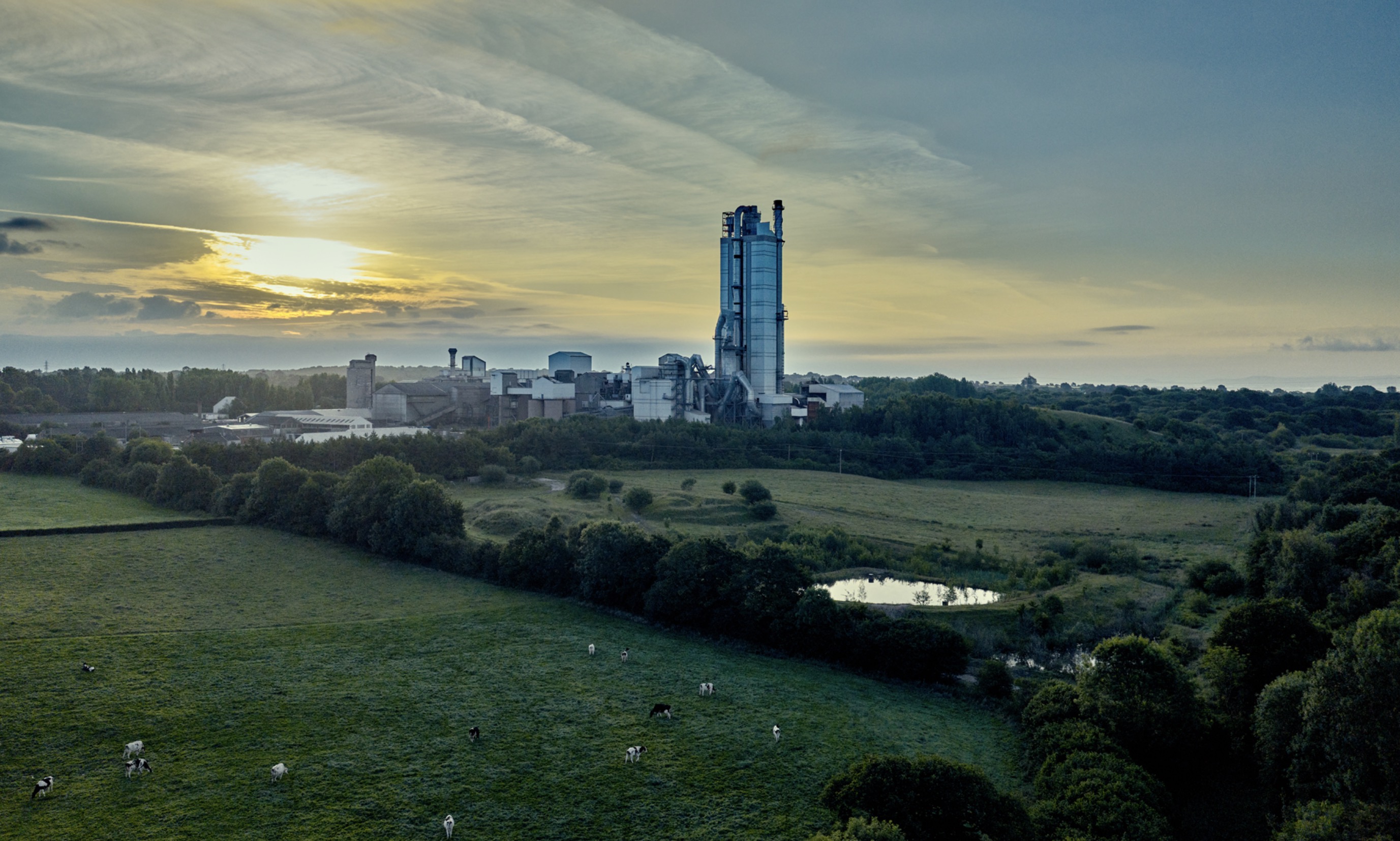
The go-ahead has been given for a landmark carbon capture project at Padeswood cement works, making Flintshire home to the world’s first fully decarbonised cement plant.
The project will enter construction later this year and is expected to secure more than 200 existing jobs, create 50 new permanent roles, and support up to 500 additional jobs during the build phase.
A global first in Flintshire
The Padeswood CCS facility will capture around 800,000 tonnes of CO₂ each year – almost all of the emissions from the site’s existing cement kiln – and will produce evoZero, the world’s first net zero cement. Production is expected to begin in 2029.
Simon Willis, CEO of Heidelberg Materials UK, said: “Our constructive partnership with the UK Government has allowed us to reach this major milestone, which is fantastic news, not just for us, but for the industry as a whole.
“Our new facility at Padeswood will be a world-leader. It will capture around 800,000 tonnes of CO₂ a year from our existing cement works, allowing us to produce evoZero carbon captured net zero cement, which will help the UK construction industry reach its decarbonisation aims.”
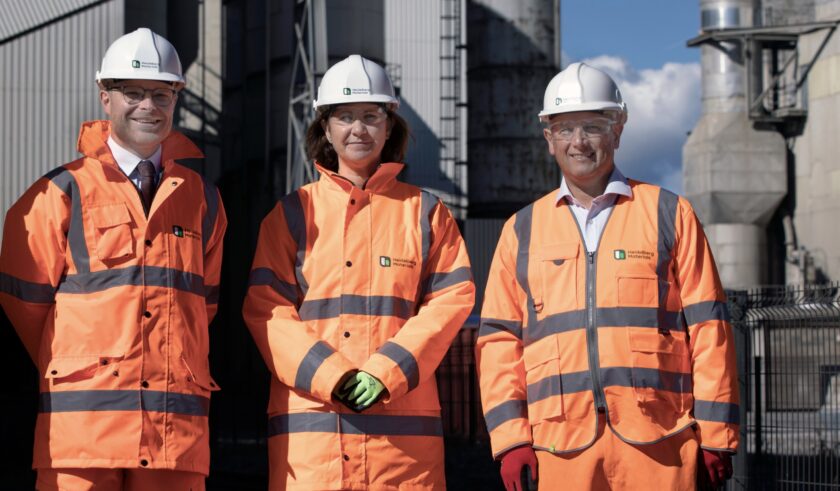
[From left: Energy Minister Michael Shanks, Parliamentary Under-Secretary of State in the Wales Office Anna McMorrin, Heidelberg Materials UK CEO Simon Willis at Padeswood]
The captured CO₂ will be compressed and transported via underground pipeline for permanent storage under the seabed in Liverpool Bay, as part of the HyNet North West carbon capture cluster.
Economic impact
Heidelberg Materials said the project will bring “significant economic benefits” to Flintshire and north Wales. Supply chain contracts will be placed locally wherever possible, and the company said it would ensure that training and employment opportunities from the project are fully realised in the region.
Alyn and Deeside MP Mark Tami welcomed the announcement, saying: “I’m delighted to see our Labour Government delivering for Flintshire as part of its £9.4 billion investment in our industrial areas to provide and sustain good quality, highly-skilled jobs. We have an excellent and capable workforce here in Flintshire and I’m delighted that we will be at the forefront of the UK’s green growth.”
Clwyd East MP Becky Gittins also described the news as a “huge boost” for the region: “Padeswood will not only cut emissions on an unprecedented scale but will secure and create the kind of high-quality, long-term jobs our communities deserve. North Wales has the expertise and ambition to lead the clean energy revolution – and today’s announcement proves it.
“This is a clear sign that the UK’s transition to net zero can go hand-in-hand with the creation of good quality jobs and industrial growth right here in North Wales.”
Energy Minister Michael Shanks said: “Our clean-energy mission means good jobs, regional growth, and investment for local communities. This trailblazing cement works showcases the north Wales workforce on the global stage – leading the charge in the clean industries of the future and powering Britain’s reindustrialisation through this UK-first project.”
Why carbon capture is needed
Cement is a vital construction material used worldwide, but its production releases large amounts of carbon dioxide. Unlike other industries, these emissions cannot be eliminated simply by switching to renewable energy, as they come from the chemical reaction at the heart of cement production.
The only way to reach net zero cement is to capture the CO₂ before it enters the atmosphere. The Padeswood facility is designed to capture around 95% of emissions from the kiln. Because some of the plant’s fuels are derived from biomass such as food, wood and paper waste, the cement produced could even be “net negative” – removing more carbon than it produces.
A wider strategy
The Padeswood project is one of the first two “anchor” CCS projects to join the HyNet North West network, alongside a waste-to-energy facility at Protos in Ellesmere Port. Together, the two schemes will capture 1.2 million tonnes of CO₂ a year and support 500 skilled jobs, with 2,800 more across the wider HyNet cluster.
Heidelberg Materials already operates a carbon capture plant at its site in Brevik, Norway, which opened earlier this year. There, around 50% of CO₂ emissions are captured under the Norwegian government’s Longship programme.
The UK Government says the Padeswood project is central to its Industrial Strategy, with £9.4 billion committed to CCS and clean industry projects during this Parliament.
Looking ahead
Construction at Padeswood is set to begin later in 2025, with procurement of contractors now under way. Once operational in 2029, the site will be the first in the world to produce net zero cement at scale, helping preserve the UK’s cement industry while cutting emissions.
Mark Burrows-Smith, Chief Executive of Encyclis, which is leading the Protos project, said:
“This first full-scale carbon capture deployment in the UK enables us to continue providing an essential treatment service for non-recyclable waste while reducing carbon emissions, creating new skilled jobs and clearing a pathway for wider adoption across the industry.”
Olivia Powis, CEO of the Carbon Capture & Storage Association, said the projects would “secure the future of essential UK industries and keep businesses competitive in global markets.”
Check live fuel prices near you before you set off.
Spotted something? Got a story? Email news (@) deeside.com

NEW: Add Deeside.com as a preferred source on Google to see more of our trusted coverage when you search.
Latest News