What Should I Consider When Buying A Kids’ Dinner Set?
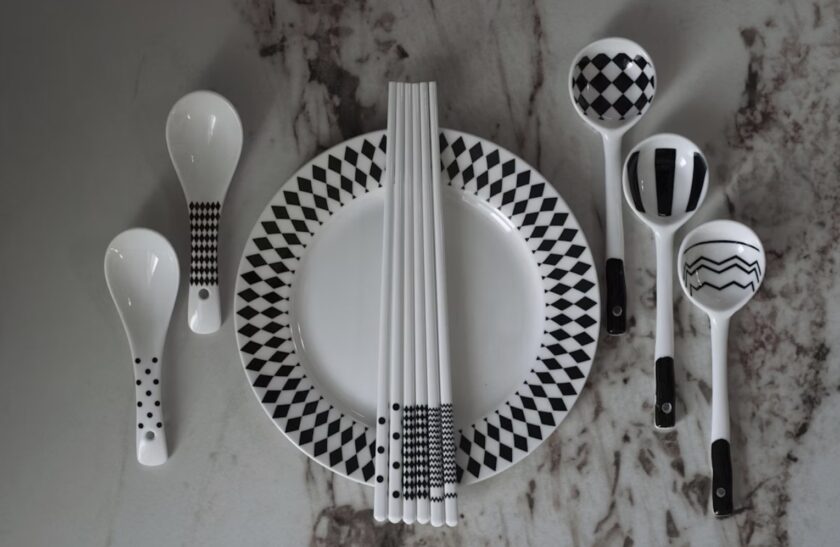
Finding the right kids’ dinner set isn’t just about looks. It can support your child’s development, safety, and comfort as they learn to eat on their own. With numerous options available, from eco-friendly bamboo plates to silicone suction bowls, it’s essential to understand what matters most before making a purchase. Today, we’ll cover the key factors to consider when buying a kids’ dinner set, helping you make a thoughtful and practical choice for your child.
5 Tips You Should Know When Buying A Kids’ Dinner Set
Choose Safe and Child-Friendly Materials
The most important factor is material. Kids’ dinnerware comes in different materials, each with unique pros and cons:
- Silicone: Flexible, durable, and heat-resistant, silicone is one of the most popular materials for toddlers. It’s generally dishwasher and microwave-safe, making it easy for daily use. Always ensure it’s BPA-free and food-grade certified.
- Bamboo or plant-based materials: Lightweight and eco-friendly, bamboo dinner sets are biodegradable and non-toxic. They’re ideal for parents who prefer sustainable options but may not be suitable for microwaves.
- Stainless steel: A durable and hygienic choice, stainless steel dinnerware resists stains and odors. It’s perfect for older kids who can handle heavier items.
- Plastic: Affordable and versatile, plastic dinner sets are lightweight but should always be BPA-free, phthalate-free, and lead-free to ensure safety.
- Melamine: Known for its stylish appearance and sturdiness, melamine dinnerware is commonly used for children. While durable, melamine isn’t microwave-safe; high heat can compromise its material and safety.
When selecting a set, always verify that it meets safety certifications and complies with food contact standards. Some trusted brands combine safety with creativity, such as Disney Princess dinnerware from Toynk, which uses child-friendly materials while featuring engaging, themed designs that make mealtime more enjoyable for kids. These types of sets demonstrate that safety and style can go hand in hand, offering both practicality and visual appeal in one product.
Look for Practical and Functional Design
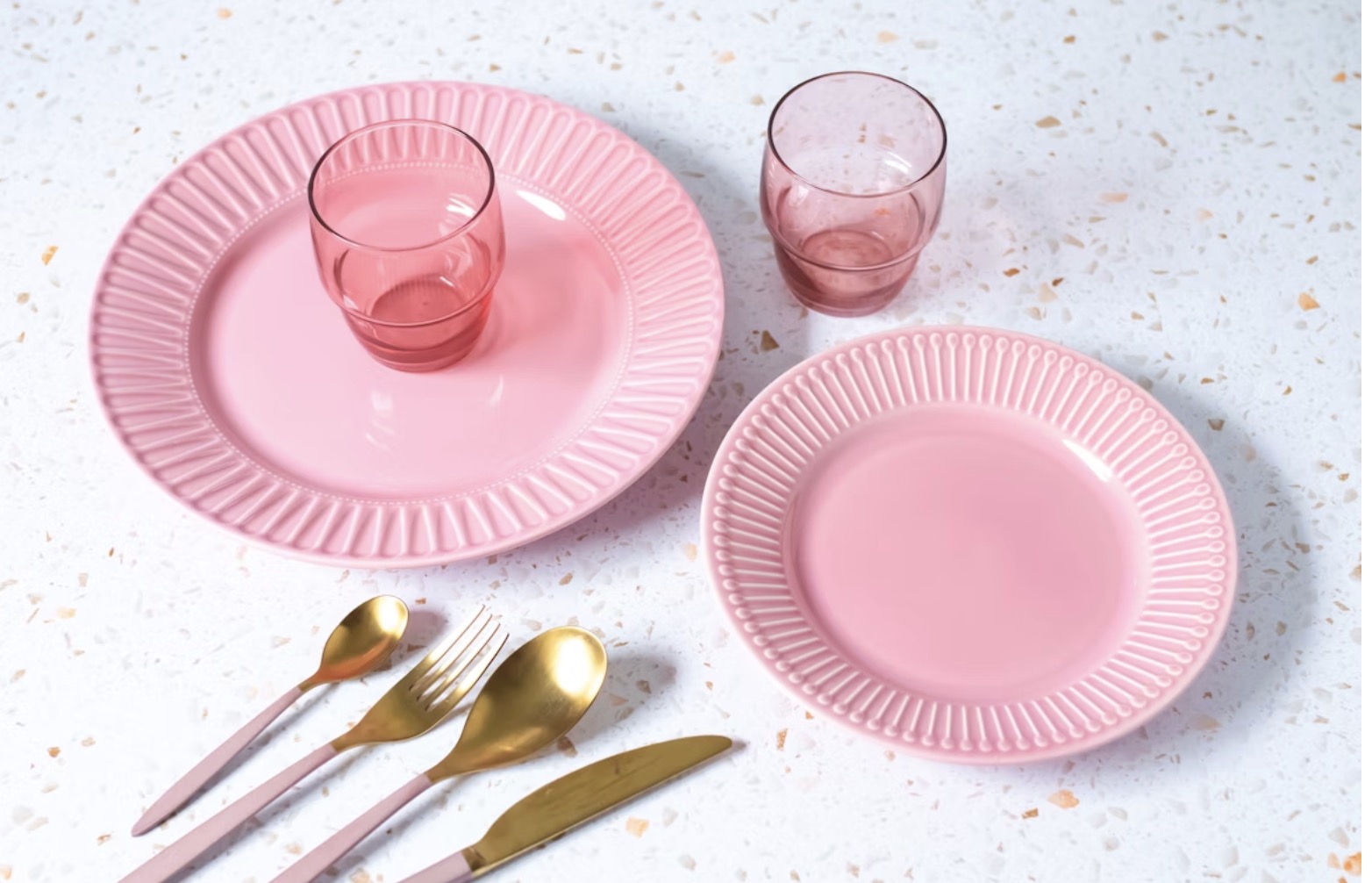
Good kids’ dinner sets make mealtimes easier for both parents and children. Each feature should be both useful and visually appealing.
Some practical design elements to consider include:
- Suction bases: Plates and bowls with suction cups help prevent spills by sticking firmly to the table or high-chair tray.
- Sectioned plates: Divided compartments make it easier to separate foods, encouraging balanced eating and reducing mealtime fussiness.
- Easy-grip utensils: Spoons and forks designed for small hands help children develop motor skills and confidence while learning to feed themselves.
- Lightweight build: Young children are more comfortable handling lighter dinnerware made from materials like silicone or bamboo.
- Dishwasher and microwave safety: Check whether the items can go in the dishwasher or microwave to simplify cleaning and reheating.
Consider Age Appropriateness and Developmental Stages
Kids’ dinner sets vary by your child’s age and stage:
- For babies (6–12 months): Look for suction plates, silicone spoons, and bowls with soft edges. Babies at this stage are just learning to explore textures and grasp objects.
- For toddlers (1–3 years): Choose sets that encourage self-feeding, such as divided plates and small-sized utensils. Non-slip bottoms and spill-proof cups are helpful.
- For preschoolers (3–5 years): At this age, children start to refine their motor skills. A full dinner set, including a plate, bowl, cup, and proper cutlery, helps them practice independence.
- For older children (5 years and above): Sturdier materials, such as stainless steel or melamine, may be more suitable. Children at this stage can handle regular-sized utensils and plates with ease.
Evaluate Durability and Longevity
Children’s dinnerware needs to withstand drops, spills, and frequent washing. Durable sets save money and reduce waste.
Here are some tips for assessing longevity:
- Choose scratch-resistant and shatterproof materials. Silicone and stainless steel generally last longer than bamboo or plastic.
- Look for sets that can withstand high and low temperatures, allowing for safe use in the dishwasher, freezer, or microwave.
- Opt for replaceable parts. Some brands offer extra bowls or utensils, allowing you to replace individual items instead of purchasing a whole new set.
- Consider the brand’s warranty or quality guarantee, as this can indicate better craftsmanship and safety standards.
Choose Appealing Colors and Designs
While safety comes first, design matters too. The right colors and patterns can help children enjoy mealtime and try new foods.
- Bright colors or animal-themed designs often appeal to younger children, making mealtime feel fun and familiar.
- Some parents prefer neutral or minimalist sets to match their home aesthetics while still keeping it child-friendly.
- Avoid overly complex prints that can fade over time or contain painted details that might chip.
Final Thoughts
Buying a kid’s dinner set involves more than picking the cutest design. It’s about finding a safe, durable, and functional option that supports your child’s development and makes mealtime easier. By considering materials, age suitability, design, safety, and ease of cleaning, you can select a set that suits your family’s daily routine well. Ultimately, the best dinner set is one that helps your child enjoy eating while keeping parents’ lives a little simpler.
Check live fuel prices near you before you set off.
Spotted something? Got a story? Email news (@) deeside.com

NEW: Add Deeside.com as a preferred source on Google to see more of our trusted coverage when you search.
Latest News