Walking Flintshire’s Coast: A First-Timer’s Guide to the Wales Coastal Path
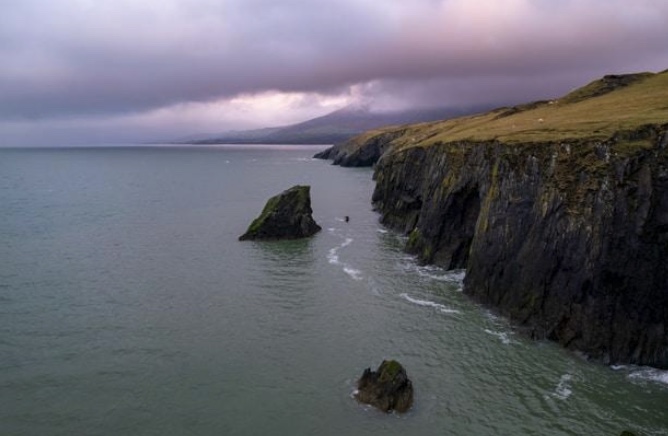
Flintshire may be one of Wales’ smallest counties, but its coastline offers some of the most accessible and historically rich walking experiences along the Wales Coastal Path.
Stretching approximately 38 miles from Chester to Prestatyn, the Flintshire section provides spectacular views across the Dee Estuary toward the Wirral Peninsula and beyond.
Whether you’re an experienced hiker or a casual walker looking for a new adventure, this picturesque coastal route delivers natural beauty, industrial heritage, and wildlife encounters in abundance.
Essential Preparations
Before setting out on your Flintshire coastal adventure, proper preparation will ensure a safe and enjoyable experience. Appropriate footwear is non-negotiable, with sturdy walking boots recommended even for the more accessible sections.
Equally important is protecting your technology. Many walkers find an iPhone 16e case with waterproof capabilities essential for capturing photographs while protecting devices from the unpredictable Welsh weather.
Weather conditions along the coast can change rapidly, so layered clothing and waterproofs are advisable regardless of the forecast.
The path is well-marked with distinctive blue and yellow signs bearing the Wales Coast Path dragon shell logo, making navigation straightforward for beginners.
Route Highlights
The Flintshire coastal path can be divided into several distinct sections, each with its own character. The northern stretch from Gronant to Talacre features stunning sand dunes and the iconic Point of Ayr lighthouse, Wales’ oldest operational lighthouse dating back to 1776.
Moving south, the section between Talacre and Flint offers industrial heritage alongside natural beauty. The former Courtaulds factory site at Greenfield and the remains of Flint’s once-thriving dock area provide fascinating glimpses into the region’s industrial past.
Flint Castle, built by Edward I in the late 13th century, stands as one of the most historically significant landmarks along the entire Wales Coast Path.
The castle’s distinctive design, with its detached keep, makes it a photographer’s dream and a perfect resting spot with benches overlooking the estuary.
Wildlife Encounters
The Dee Estuary is internationally recognised for its ecological importance, designated as a Site of Special Scientific Interest (SSSI) and a Special Protection Area. Birdwatchers will be particularly rewarded during autumn and winter migrations when tens of thousands of waders and wildfowl gather in the estuary.
Oystercatchers, redshanks, and curlews are common sights, while lucky walkers might spot a peregrine falcon hunting along the coastline. The Gronant Dunes provide the only breeding site in Wales for the endangered little tern, with special viewing platforms available during the breeding season.
Salt marshes along the route support unique plant species adapted to the brackish environment. Look for sea lavender, sea aster, and samphire growing in these distinctive coastal habitats.
Practical Information
The Flintshire section is well-served by public transportation, making it ideal for linear walks. Regular buses connect coastal communities, and railway stations at Flint and Shotton allow for flexible itinerary planning.
Several sections are fully accessible for wheelchairs and pushchairs, particularly around Flint and Connah’s Quay. The Flintshire Countryside Service provides detailed accessibility information for those with mobility requirements.
Accommodation options range from bed and breakfasts in historic Flint to holiday parks near Talacre Beach. Most coastal communities offer refreshment stops, though carrying water and snacks is advisable for the more remote stretches.
Beyond The Footpath
Walking Flintshire’s coast offers more than just exercise – it provides a journey through time. Each step reveals layers of history, from ancient castles to Victorian industry and modern conservation efforts.
The Wales Coast Path represents a remarkable achievement, creating a continuous 870-mile route around the entire Welsh coastline. Your exploration of Flintshire’s section serves as both a worthy adventure in itself and a gateway to further coastal discoveries throughout Wales.
As you walk these shores, you become part of a centuries-old tradition of travellers discovering the unique character of Wales through its magnificent coastline.
Check live fuel prices near you before you set off.
Spotted something? Got a story? Email news (@) deeside.com

NEW: Add Deeside.com as a preferred source on Google to see more of our trusted coverage when you search.
Latest News