Is An Axle Upgrade Worth It for Daily Drivers?
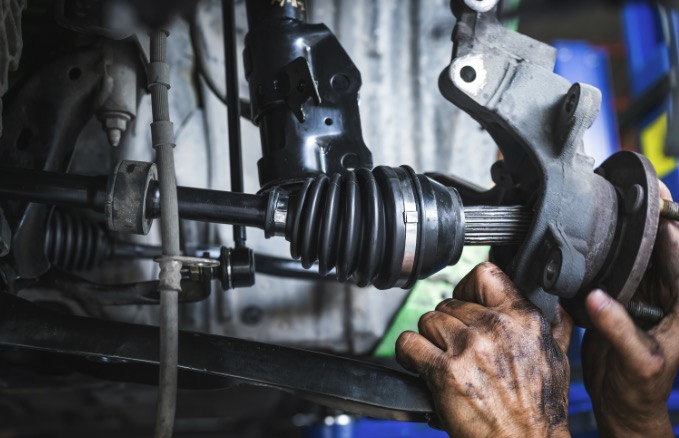
Axles are the components that connect your wheels to the drivetrain, allowing power to flow from the engine to the road. You’ve got front axles and rear axles, and within those, axle shafts do the heavy lifting of transmitting torque.
For the everyday driver, the standard axles are sufficient to meet the requirements of city roads, highways, and the odd dirt road. They’re dependable, affordable, and designed to withstand regular use. Some drivers, though, even casual ones who don’t race or do off-road driving, begin to consider new axles. But do you really need it for someone who’s driving to common errands? Keep reading to know.
Why Consider an Axle Upgrade?
Daily drivers might consider an axle upgrade for customisation. Let’s say you’ve upgraded your vehicle with 33-inch tyres for a bolder look or done a gear swap to improve acceleration or fuel efficiency. These changes put extra stress on your axles. Stock axles might hold up for a while, but over time, the added strain could lead to wear on axle bearings or even a snapped shaft.
For example, if you’re driving a pickup and frequently tow heavy trailers, a stronger chromoly axle shaft could prevent costly breakdowns.
Another factor is durability. Upgraded axles, like those made from chromoly stee, are tougher than stock ones. They’re often marketed for off-road racers or enthusiasts, but even daily drivers can benefit from that extra strength.
For example, if you reside in an area with nasty roads with potholes, uneven pavement, or road work, enhanced axles can withstand the abuse better. And if you’re the type of person who keeps a car for the life of the vehicle, paying for this durability now might spare you costly repairs down the road.
You may be driving a Ford because many are raving about their models’ overall durability, but want to upgrade the axle for that extra strength. If so, you can search for Ford English axle parts. Though originally produced specifically for the Ford Anglia 105E in 1959, they’re now used on most Ford and non-Ford vehicles.
You can find them from reputable online stores where you can search various brands, place them in your shopping cart, and compare products to select the one that suits your vehicle.
The Drawbacks of Upgrades
Axle upgrades can be expensive, though it always comes down to what parts and the axle type. If you’re going the chromoly shafts or a Tru Trac diff route, you may be spending hundreds, if not thousands, of dollars, plus labour.
For a commuter who’s primarily driving on pavement, that’s a lot of money. Stock axles are usually built to meet the stresses of your vehicle’s stock configuration, so if you’re not stressing your car or truck outside of its intended application, you may not require the added strength.
Another factor is complexity. An axle upgrade usually comes with other changes, such as replacing rear disk brake brackets or upgrading OE hubs. These modifications can snowball, taking longer, costing more, and requiring advanced skills.
If you’re not mechanically inclined, you’ll need a trusted shop, which adds to the cost. Plus, some upgrades might slightly affect your vehicle’s ride quality or fuel efficiency, which could be a dealbreaker for daily commuters who value a smooth, economical drive.
When is an Axle Upgrade Worthwhile
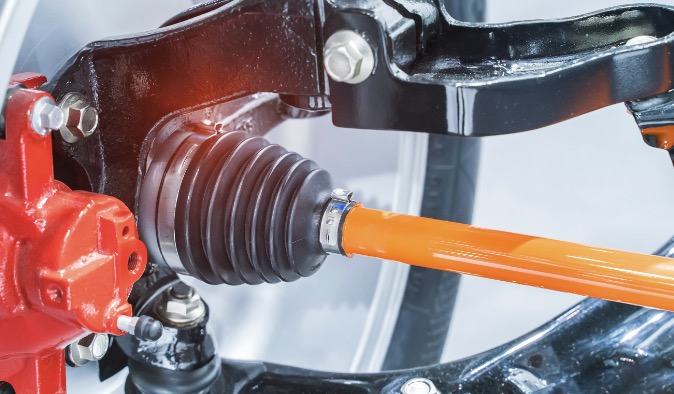
It depends on how you drive your vehicle. If you’re a daily driver who goes off-road occasionally, an upgrade may be a good idea. Accessories such as rear lockers or drive flange kits can enhance traction and longevity, providing you with confidence on rough terrain.
Likewise, if you’ve upgraded your vehicle with bigger tires or a gear swap, moving to chromoly axle shafts can help your axles endure the added load.
On the other hand, if your daily driving consists of city roads or highways with no significant changes, stock axles are likely adequate. They’re designed to survive years under normal circumstances, and the price of an upgrade may not be worth it.
Making the Decision
To determine if an axle upgrade is worth it, begin by questioning yourself. How do you operate your vehicle? Have you made upgrades such as bigger tires or a gearing change? Are you driving on rocky roads or towing heavy loads? If you find yourself saying yes to these, an upgrade may be well worth it.
Then, check your finances. Can you pay the initial cost, and will it pay for itself in the long term by avoiding repairs? Last, do some research. Compare your choices and determine which upgrade delivers maximum value.
If you are still unsure, consult with a mechanic or go to car forums to seek other people’s opinions as drivers. And if you proceed, ensure that you use good-quality parts from reliable suppliers to maintain durability and performance.
Check live fuel prices near you before you set off.
Spotted something? Got a story? Email news (@) deeside.com

NEW: Add Deeside.com as a preferred source on Google to see more of our trusted coverage when you search.
Latest News