How Wales’ railways are gearing up for a tough winter
Transport for Wales (TfW) and Network Rail have announced a series of measures to prepare the country’s rail network for the challenges of autumn and winter weather.
Cold, wet and windy conditions can directly impact railway infrastructure and services, so both organisations are investing in maintenance, vegetation management, and new technology to keep passengers moving safely.
Vegetation management and leaf clearance
Network Rail is carrying out an extensive vegetation management programme across the Wales and Borders route, including regular trackside clearance and the removal of diseased or overgrown trees that could pose safety risks during storms.
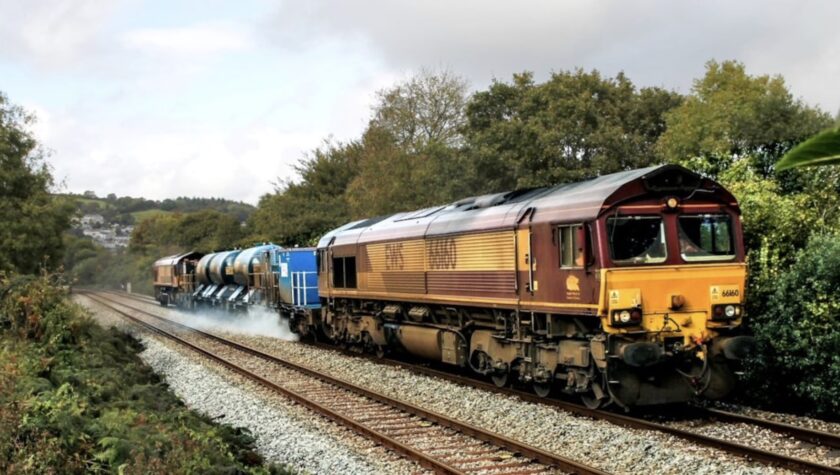
Railhead treatment trains (RHTT) are being deployed across 1,500 miles of track, operating for up to 21 hours a day, six days a week, between 1 October and 6 December. These specialist trains use high-powered water jets to remove leaf residue and apply a treatment to improve grip between train wheels and the rails.
New high-definition cameras fitted to trains are also being used to detect rail contamination and guide preventative maintenance.
New wheel repair facility in Holyhead
A new wheel lathe facility has opened at Holyhead, allowing damaged or worn train wheels to be repaired more quickly. The facility will help reduce downtime during the busy winter months and improve reliability across the North Wales network.
£1.4 million resilience work on Conwy Valley Line
The Conwy Valley line, one of the most storm-affected routes in Wales, has seen more than 500 days of closure in recent years due to weather-related damage. This year, £1.4 million has been invested in vegetation clearance and resilience works to reduce the risk of disruption.
Network Rail is also trialling a new rail treatment method on the line, developed in partnership with Interflon and Irish Rail. Using a specially designed applicator vehicle, the Interflon Leaf Guard product is applied to the tracks to break down leaf residue and create a protective barrier that keeps rails cleaner for longer.
Nick Millington, Wales and Borders Route Director, said: “Safety is always our priority and our teams work tirelessly across 1,500 miles of track to keep passengers and freight running. As the impacts of climate change become more apparent, we’re working harder than ever to protect the railway against extreme conditions.”
James Price, Chief Executive of Transport for Wales, said: “The changing weather presents the rail industry in the UK with many challenges and over the last few years we’ve seen this intensify over the autumn and winter seasons. We’re working in partnership with Network Rail to ensure that we’re well-prepared for the months ahead and our main priority is always safety.”
He added: “We want to keep people moving and rail services running across our network for the seasons ahead and continue to encourage people to use sustainable transport.”
Check live fuel prices near you before you set off.
Spotted something? Got a story? Email news (@) deeside.com

NEW: Add Deeside.com as a preferred source on Google to see more of our trusted coverage when you search.
Latest News