Cryptocurrency Wallet Development: Why Invest in 2026
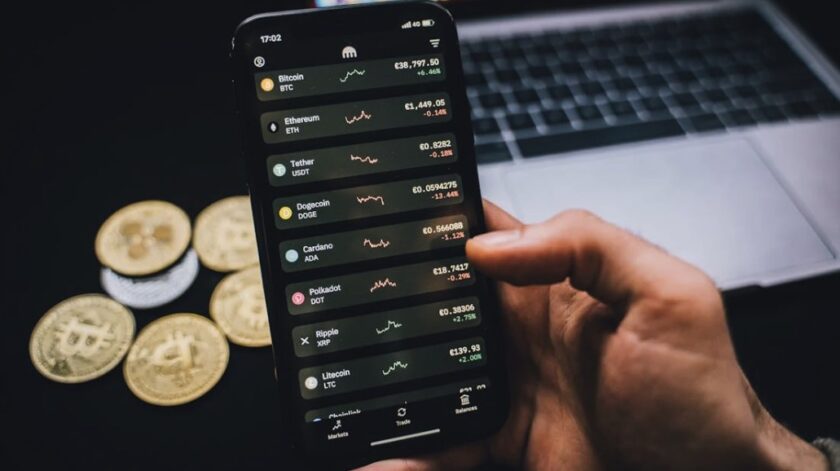
Unlocking the future of digital finance for businesses and consumers alike
In the fast-moving world of digital finance, it’s no longer enough just to understand cryptocurrencies, you need to act.
For UK and European businesses planning ahead, 2026 is shaping up to be a pivotal year for wallet development.
Companies such as Ideasoft specialise in crypto wallet development services and can help organisations design secure, compliant wallets that support multi-chain assets and real-world payments.
Why 2026 is the right time for crypto wallet development
Market maturity is arriving
Industry data and commentary suggest the crypto sector is shifting from hype to infrastructure. Institutional adoption is growing, and major fintech and payment firms are exploring blockchain-based settlement and asset custody.
Research forecasts strong growth in the global wallet market through to 2028 and beyond, with increasing demand for secure, multi-chain, and user-friendly wallets. For product owners and fintech teams, this signals a market entering a more stable, scalable phase.
Regulation is clearer
The EU’s Markets in Crypto-Assets (MiCA) framework and the UK Financial Conduct Authority’s updated crypto-asset promotions rules are creating firmer guardrails for legitimate market entry.
For businesses, that means compliance can now be built into product design, not added as an afterthought.
Strategic business drivers
A wallet built into your platform can improve user retention, reduce dependency on third-party gateways, and open new revenue streams.
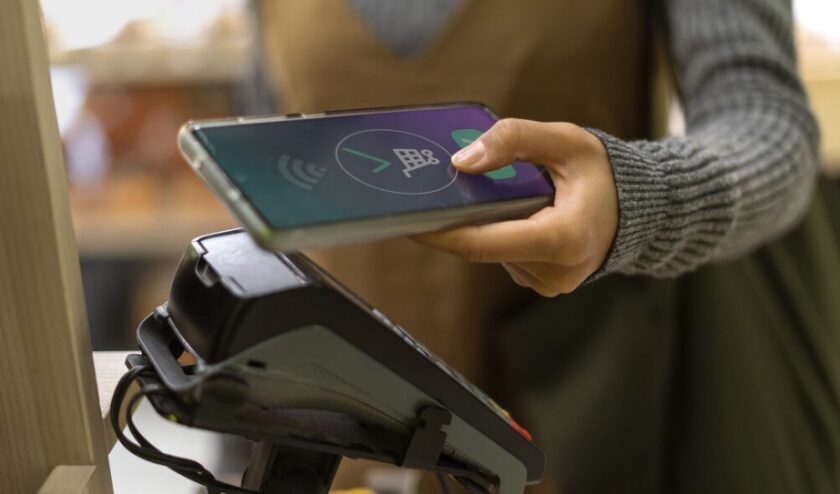
For retailers and service providers, integrated wallet and point-of-sale functionality is emerging as a competitive advantage, allowing direct interaction between digital and fiat payment systems.
Key trends shaping wallet development in 2026
| Trend | What it means | Why it matters |
|---|---|---|
| Multi-chain interoperability | Wallets will support assets across multiple blockchains and enable bridging between them. | Users hold varied tokens across ecosystems; seamless transfers reduce friction. |
| Integration with DeFi and tokenised assets | Wallets link to swaps, staking, and token platforms. | Increases user engagement and new revenue channels. |
| Security advances | AI-based threat detection and post-quantum cryptography (PQC) become standard. | Strengthens trust and reduces exposure to hacks. |
| Compliance readiness | Built-in KYC/AML systems and audit trails for business wallets. | Required for regulated entities and institutional use. |
| User experience | Social recovery, intuitive design, and simple onboarding. | Essential for mass-market adoption. |
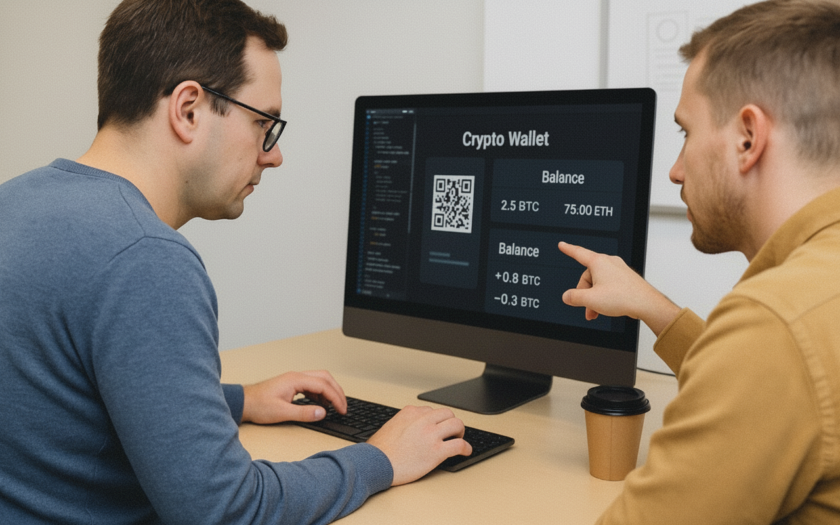
Best practices for building a successful crypto wallet
Planning and architecture
- Define your scope: consumer or enterprise, custodial or non-custodial.
- Choose your chains: Ethereum, Solana, or multi-chain from day one.
- Select custody model: user-held keys vs platform-held keys.
- Design security: use hardware security modules (HSM), multi-sig, or MPC.
- Integrate compliance: GDPR, AML and KYC from the outset.
Development and deployment
- Build modularly — separate user wallet, blockchain services, transaction monitoring, and API layers.
- Prepare for scale — support multiple users, chains, and transactions.
- Prioritise UX — recovery and onboarding must be simple.
- Integrate fiat on-ramps and off-ramps.
- Launch a minimum viable product (MVP) first, then iterate.
Post-launch operations
- Monitor usage, transaction speed, and reliability.
- Schedule continuous security audits and updates.
- Educate users with clear in-app guidance.
- Maintain detailed compliance logs and regular policy reviews.
Who’s doing it well — and where businesses fit
A range of global developers now offer white-label and bespoke wallet solutions. When selecting a partner:
- Review their track record in live wallet deployments.
- Confirm understanding of UK and EU regulatory obligations.
- Assess support, roadmap, and post-launch maintenance commitments.
Specialist providers such as Ideasoft can guide teams from planning to deployment, combining product design, blockchain integration, and compliance expertise.
Key features every wallet should include in 2026
Must-have features
- Secure key management (multi-sig, MPC, or HSM)
- Multi-chain support and cross-chain transactions
- Fiat on-ramp/off-ramp integration
- User recovery mechanisms
- Compliance engine (KYC/AML/audit readiness)
Nice-to-have features
- In-wallet token swap or staking
- NFT and asset-tracking support
- Cross-platform access (web, mobile)
- Biometric login and fraud detection
- White-label or branded options
Investment and ROI considerations
Cost factors
- Chain integrations and scalability
- Custody model and security infrastructure
- Legal and compliance due diligence
- UX complexity and brand customisation
- Post-launch monitoring and support
Return potential
- Capture transaction and service fees within your ecosystem
- Improve customer retention by embedding financial functionality
- Gain behavioural insights for future monetisation (with consent)
- Build long-term platform value and first-mover advantage
Risk mitigation
- Use phased rollout (MVP to full version)
- Engage regulatory advisors early
- Prioritise security and operational resilience
How to start your wallet project — a five-step action plan
- Discovery & strategy: define goals, assets, custody model, and region.
- Select vendor or team: shortlist specialists, assess security posture, agree deliverables.
- Design & architecture: finalise tech stack, compliance flows, and integrations.
- Development, testing & launch: build MVP, audit, and pilot with small user group.
- Scale & iterate: add advanced features, expand user base, and track ROI.
Recap and key takeaways
2026 represents a strategic moment for wallet innovation. Institutional participation is increasing, regulation is stabilising, and technical tools are maturing.
Businesses that plan carefully, combining security, compliance, user experience, and expert guidance, can establish a strong foothold in the next phase of digital finance.
Check live fuel prices near you before you set off.
Spotted something? Got a story? Email news (@) deeside.com

NEW: Add Deeside.com as a preferred source on Google to see more of our trusted coverage when you search.
Latest News