Chester Zoo scientists create world’s first elephant vaccine
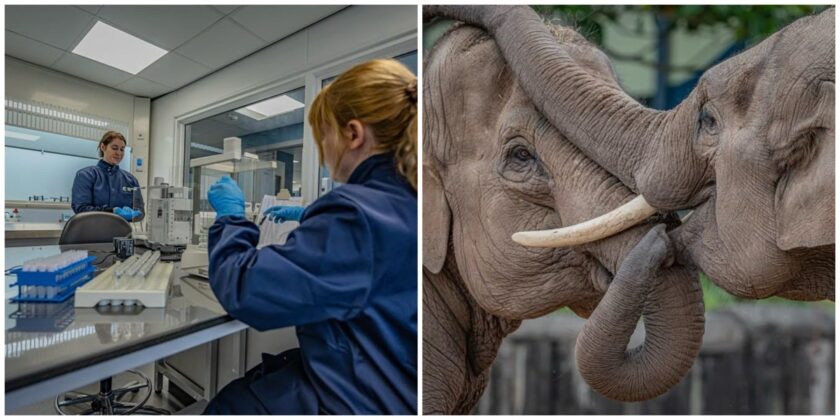
Scientists at Chester Zoo, the University of Surrey, and the Animal and Plant Health Agency (APHA) have developed the world’s first vaccine to protect elephants against a deadly virus that has devastated endangered populations.
The breakthrough vaccine, published this week in Nature Communications, targets elephant endotheliotropic herpesvirus (EEHV), one of the most lethal diseases affecting young Asian elephants. The virus can cause sudden death within 24 hours and has posed one of the greatest threats to the species’ survival.
Researchers confirmed the vaccine is safe and effective in triggering a strong immune response, marking a major step forward in the global effort to protect the remaining 40,000 Asian elephants listed as endangered on the IUCN Red List.
Dr Katie Edwards, Lead Conservation Scientist at Chester Zoo and co-author of the study, said:
“This vaccine has been in development for several years and was first delivered to an elephant here at Chester Zoo in 2021. The publication of this research marks a watershed moment because it means we can now say that the vaccine is ready for wider use.
“EEHV has taken the lives of so many elephants, both in human care and in the wild, but this vaccine offers hope. We can’t yet say this will be the end of EEHV deaths, but we have taken a massive step towards that goal.”
The study involved a six-year collaboration between scientists and veterinarians, using a small group of elephants to test the vaccine’s safety and immune response. The team focused on stimulating T-cells – the immune system’s key defenders – using a delivery method suitable for both zoo-managed and, eventually, wild elephants.
Dr Falko Steinbach, Professor of Veterinary Immunology at the University of Surrey, said:
“This is a landmark moment in our work to develop safe and efficacious vaccines. For the first time, we have shown in elephants that a vaccine can trigger the type of immune response needed to protect them against EEHV.”
Dr Tanja Maehr, from the Animal and Plant Health Agency, added:
“Our findings give real hope that vaccination can become a practical tool for preventing severe disease and death due to EEHV. The next step could be to trial the vaccine in more calves and in range countries so we can begin to protect those most at risk.”
The vaccine’s development relied heavily on the expertise and facilities at Chester Zoo, which has played a central role in global elephant conservation and EEHV research.
Dr Javier Lopez, Head of Veterinary Services at Chester Zoo, said:
“This project was always designed to support the global fight against EEHV. I’m incredibly proud of the team. It’s taken years of hard work, collaboration and sheer determination to get to this point.
“Now, time is critical – this disease can kill within 24 hours. That’s why we’re working to clear the legal and logistical hurdles needed to send the vaccine worldwide. As a conservation charity, our goal is for the vaccine to be open source and freely available to help save as many elephants as possible.”
Chester Zoo has confirmed it will continue to raise funds to expand research, training, and vaccine rollout in collaboration with international partners. Donations can be made through the zoo’s Never Forget campaign at www.chesterzoo.org/neverforgetcampaign
.
Check live fuel prices near you before you set off.
Spotted something? Got a story? Email news (@) deeside.com

NEW: Add Deeside.com as a preferred source on Google to see more of our trusted coverage when you search.
Latest News