Used Gearboxes: Smart, Sustainable Power Transmission
Why Consider a Used Gearbox?
A used gearbox can deliver dependable performance at a fraction of the cost of a new unit. For operators under budget or time pressure, refurbished and carefully inspected gearboxes offer rapid availability, proven reliability, and lower total cost of ownership. In many cases, the original equipment was over-specified for its application, so the gearbox still has ample service life left. Opting for used also reduces waste, conserving materials and energy that would otherwise be consumed in manufacturing a replacement.
Typical Applications
Used gearboxes are found across marine, industrial, and energy settings. Marine propulsion and auxiliary drives, dredging equipment, conveyors, mixers, cranes, and winches are frequent beneficiaries of a well-matched second-hand unit. Because many of these applications rely on robust, slow-speed torque rather than cutting-edge electronics, a quality used gearbox can meet the duty with ease—often with shorter lead times than new builds.
What to Look For
When evaluating a used gearbox, focus on fundamentals:
- Ratio and input speed: Confirm the reduction ratio matches your required output speed, and that the rated input speed aligns with your prime mover.
- Torque capacity: Check the nominal and peak torque ratings against your load case, including start-up and shock factors.
- Mounting and interface: Verify shaft dimensions, keyways, flanges, and foot or shaft-mounted configurations to minimise modifications.
- Lubrication and sealing: Inspect seals for leaks, confirm the lubricant specification, and ensure breathers and sight glasses are intact.
- Backlash and noise: Excess backlash or unusual noise during rotation may indicate wear on gears or bearings.
Inspection and Refurbishment
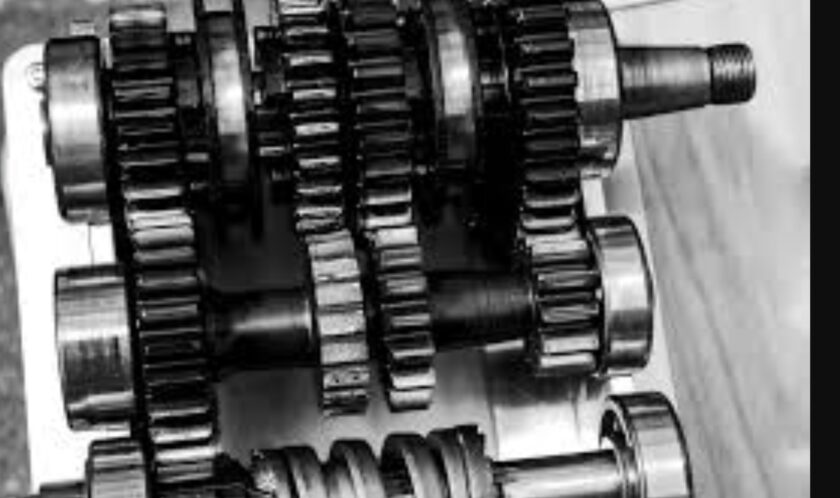
A reputable supplier will complete a structured inspection before resale. Expect checks on gear tooth profiles, bearing play, and housing integrity, often supported by endoscopic visuals and vibration readings. Refurbishment may include replacing bearings and seals, regrinding or lapping gear sets, renewing gaskets, and repainting housings. A controlled test run—ideally with load—provides confidence that temperatures, vibrations, and noise levels remain within specification.
Documentation and Traceability
Good paperwork is as important as good metal. Look for a data plate or verified serial number, a test report, and a service record detailing any overhauls. If the gearbox is paired with a clutch, PTO, or hydraulic control, ensure you receive wiring diagrams and hydraulic schematics. Clear documentation speeds installation, simplifies future maintenance, and supports warranty claims.
Installation Tips
Before installation, flush the housing, replace filters, and fill with the correct oil grade and volume. Align shafts accurately using dial indicators or laser tools; misalignment is a leading cause of bearing and seal failures. After commissioning, perform an early oil change to remove any residual debris, and re-torque fasteners after the first thermal cycles.
Warranty, Spares, and Support
Even for used equipment, credible suppliers back their gearboxes with a limited warranty and ready access to spares—common items include seals, bearings, and coupling elements. Ask about availability of ratio-changing kits, alternative input flanges, and cooling options (air, oil, or water). Responsive support ensures you get the right unit, fitted right, first time.
The Bottom Line
A carefully sourced used gearbox can be a powerful combination of value, reliability, and sustainability. By prioritising technical fit, documented refurbishment, and professional support, you’ll extend the life of your machinery while keeping budgets and lead times under control.
Check live fuel prices near you before you set off.
Spotted something? Got a story? Email news (@) deeside.com

NEW: Add Deeside.com as a preferred source on Google to see more of our trusted coverage when you search.
Latest News