The Evolution of Audio Production: Why Quality Sound Libraries Matter More Than Ever
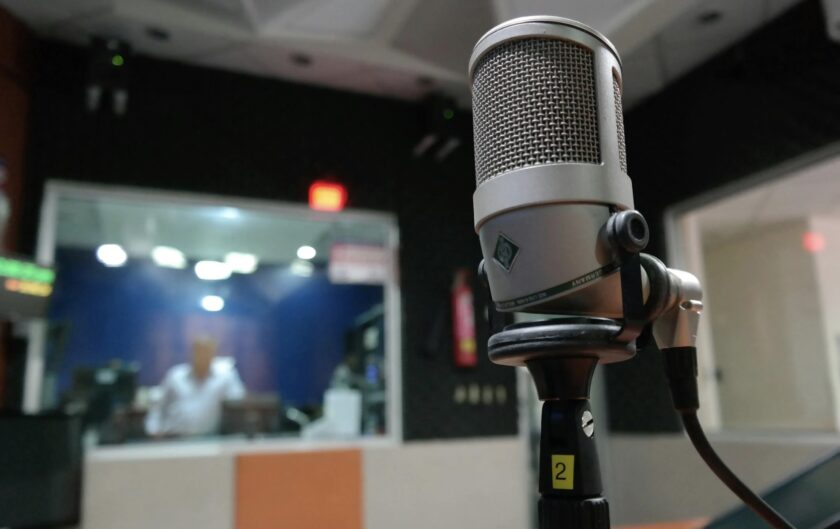
The difference between amateur and professional audio production often comes down to one critical element: the quality of your sound design. In an industry where audiences have become increasingly sophisticated, settling for mediocre audio is no longer an option. Whether you’re editing a feature film, producing a podcast, or scoring a commercial, access to high-quality audio sounds has become essential infrastructure for modern content creators.
The landscape of audio production has transformed dramatically over the past decade. What once required expensive recording sessions and specialized equipment can now be achieved through carefully curated sound libraries. However, this accessibility has created a new challenge: distinguishing between adequate sound effects and truly professional-grade audio assets that elevate your work.
The Hidden Cost of Poor Audio Quality
Sound design is often the unsung hero of compelling media. When done well, it’s virtually invisible to the audience, seamlessly supporting the narrative or message. When done poorly, it becomes a distraction that undermines even the strongest visual content. Poor audio quality manifests in several ways: thin recordings that lack depth, artifacts from over-compression, or sound effects that don’t match the acoustic environment of your scene.
The professional ear can immediately detect these issues, but even casual viewers sense something is off, even if they can’t articulate why. This subconscious recognition of poor audio quality directly impacts how audiences perceive your credibility and professionalism. In a competitive media landscape, these subtle cues can mean the difference between content that resonates and content that’s quickly forgotten.
For sound editors and designers working on client projects, the stakes are even higher. Delivering subpar audio can damage your reputation and cost you future opportunities. Investing in quality sound libraries isn’t just about improving your current project; it’s about building a sustainable career foundation.
Building a Versatile Sound Library: Strategic Considerations
Creating an effective sound library requires more than simply accumulating thousands of files. Strategic curation focuses on versatility, quality, and organization. Professional sound designers understand that a smaller collection of pristine, well-recorded sounds often proves more valuable than a massive library of mediocre assets.
Consider your most common production needs. Filmmakers might prioritize foley sounds, ambiences, and genre-specific effects. Podcasters need clean transitions, musical stingers, and environmental textures. Video editors require versatile whooshes, impacts, and UI sounds that work across various project types. Your library should reflect your specific workflow while maintaining enough breadth to handle unexpected creative demands.
Format matters significantly. Professional libraries typically offer sounds in high-resolution formats with sufficient headroom for processing. Metadata and organization systems save countless hours during production. When deadline pressure mounts, the ability to quickly locate the perfect sound effect can be the difference between meeting your deliverable and requesting an extension.
Sound quality extends beyond technical specifications. The best recordings capture not just the sound itself but the character and context that make it believable. Room tone, natural reverb, and the subtle imperfections that signal authenticity all contribute to sounds that feel genuine rather than obviously synthetic or library-sourced.
The Technical Foundation: Recording Standards and Formats
Understanding audio specifications helps you make informed decisions about which sounds to integrate into your workflow. Sample rate and bit depth determine the resolution of your audio files. Professional productions typically work at 48kHz/24-bit or higher, providing sufficient quality for post-production processing while maintaining broadcast standards.
The debate between stereo and mono recordings often depends on application. Mono sounds offer flexibility in spatial placement, allowing sound designers to position effects precisely within the stereo or surround field. Stereo recordings provide immediate width and can create more immersive atmospheres, though they offer less control over spatial positioning.
File format considerations balance quality with practicality. WAV files remain the industry standard for their uncompressed quality and universal compatibility. While compressed formats save storage space, they introduce artifacts that become problematic during heavy processing or layering. Professional sound libraries prioritize uncompressed formats, recognizing that storage costs are minimal compared to the value of pristine audio.
Beyond technical specs, recording technique dramatically affects usability. Sounds recorded in controlled environments with minimal background noise provide the cleanest starting point for creative manipulation. Quality microphones and preamps capture detail and nuance that budget equipment misses. These differences become especially apparent when sounds are pitched, stretched, or heavily processed.
Practical Applications Across Media Disciplines
The application of sound libraries varies significantly across different media formats, yet certain principles remain universal. Film and television sound designers layer multiple elements to create rich, believable soundscapes. A simple door closing might actually comprise five or six separate sounds: the handle mechanism, the door movement, the impact, the room response, and subtle cloth or body movements.
Podcast producers face unique challenges in maintaining listener engagement through audio alone. Strategic use of sound effects, musical transitions, and ambient textures helps structure narrative flow and maintain interest during longer segments. The key is subtlety—effects should enhance the listening experience without overwhelming the spoken content or feeling gimmicky.
Musicians and composers increasingly incorporate sound design elements into their productions. Textural sounds, found percussion, and atmospheric effects blur the line between music and sound design. This creative approach has become particularly prominent in electronic music, film scoring, and experimental genres where sonic innovation drives artistic identity.
Video editors working on corporate content, social media, or advertising face rapid turnaround demands. A well-organized sound library becomes a crucial productivity tool, enabling quick assembly of professional audio tracks without extensive sound design sessions. The ability to rapidly prototype different sonic approaches during the editing process helps clients visualize the final product and facilitates faster approval cycles.
Conclusion: Investing in Your Sonic Toolkit
The audio production landscape continues to evolve, but one constant remains: quality matters. Building a comprehensive library of professional sound effects and ambiences represents an investment in your creative capabilities and professional reputation. As audiences become more discerning and competition intensifies across all media platforms, the details that separate adequate from exceptional become increasingly important.
Whether you’re just beginning your journey in audio production or you’re a seasoned professional refining your toolkit, prioritizing sound quality elevates everything you create. The right sounds don’t just fill silence—they tell stories, evoke emotions, and create the immersive experiences that define memorable media.
Check live fuel prices near you before you set off.
Spotted something? Got a story? Email news (@) deeside.com

NEW: Add Deeside.com as a preferred source on Google to see more of our trusted coverage when you search.
Latest News