Senedd manifestos lack fiscal credibility on tax and spending, says IFS
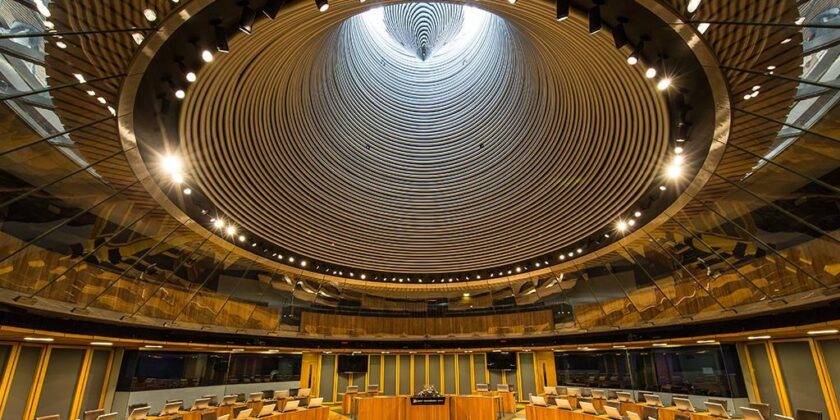
Every major Welsh party’s Senedd manifesto would add to financial pressure on the next Welsh Government, the Institute for Fiscal Studies has said three days before polling.
The independent think tank published its commentary on 23 April.
Its analysis says slowing UK funding and rising health and social care costs will leave the next Welsh budget under heavy pressure, whoever wins on 7 May.
David Phillips, head of devolved and local government finance at the IFS, said: “Neither expansions of the Welsh welfare state without commensurate tax rises, nor definite tax cuts without similarly definite reductions in spending, are fiscally credible.”
The first full budget of the next Senedd term, covering 2027 to 2028, will see no overall increase in funding, the IFS said.
If the next Welsh Government wants to match England’s planned 2.6% real-terms increase in NHS spending and protect core funding for councils, other Welsh Government services would need to be cut by nearly 5% a year in real terms.
The squeeze on the NHS budget has direct implications for north Wales.
Betsi Cadwaladr University Health Board (BCUHB), which covers Flintshire, has been in special measures since February 2023.
Flintshire County Council also has direct stakes in the manifestos.
The Welsh Conservatives and Reform UK both propose forcing councils to hold local referendums on any council tax rise above 5%, modelled on the system in England.
Flintshire has set rises above that threshold in recent budgets.
The A55 figures in two manifestos.
The Welsh Conservatives and Reform UK both pledge upgrades to the road in north Wales as a manifesto commitment.
The IFS sets out costings for each party.
The Welsh Conservatives’ tax cuts would cost more than £500 million a year.
Reform UK’s income tax cut, planned for the final year of the Senedd term, would cost £420 million in that year.
The Welsh Liberal Democrats’ childcare pledge is the most expensive single policy at £600 million or more a year.
Plaid Cymru’s childcare expansion would cost £400 million a year.
The Green Party proposes the broadest expansion of the welfare state, with no revenue identified to fund it.
Welsh Labour’s plans involve the smallest amount of new spending on welfare entitlements or tax cuts, the IFS said.
Its £4 billion hospital construction programme, if part-funded by private investment, would squeeze budgets in the 2030s as service payments became due.
David Phillips said: “The fact that the current Welsh Government has not published spending plans beyond 2026-27, unlike either the UK or Scottish governments, means that it is not yet clear which services will face cuts.”
The IFS published its commentary alongside an online event with researchers from the Welsh Election Study, funded by the Nuffield Foundation.
Voters across Wales go to the polls on Thursday 7 May.
Check live fuel prices near you before you set off.
Spotted something? Got a story? Email news (@) deeside.com

NEW: Add Deeside.com as a preferred source on Google to see more of our trusted coverage when you search.
Latest News