Public Health Wales warns of rising risk from synthetic opioids
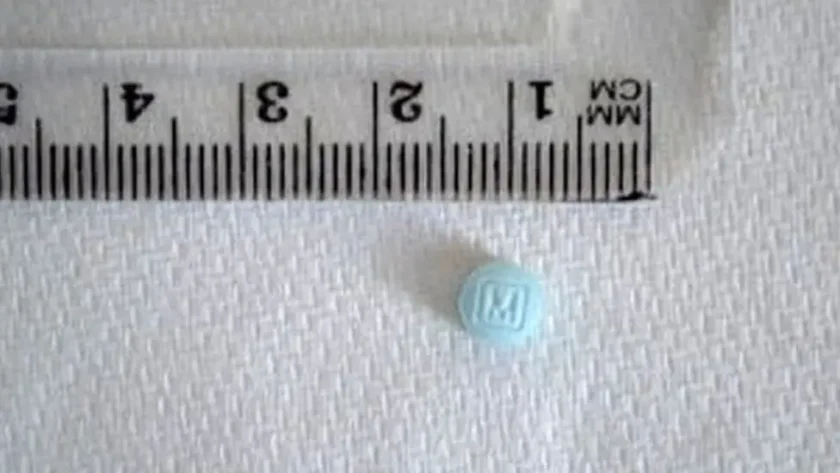
Public Health Wales is warning of the ongoing dangers posed by highly potent synthetic opioids and cannabinoids following the publication of the latest annual report from the Welsh Emerging Drug Identification Service (WEDINOS).
WEDINOS, the UK’s only nationwide public drug testing service, analysed a record 9,784 samples between April 2024 and March 2025, the highest number in its 11-year history.
Of these, more than a third (35 per cent) did not contain what users believed they had purchased.
Health experts say the findings highlight significant risks linked to counterfeit and adulterated substances being sold through illicit markets.
Among the most concerning trends is the continued rise of nitazenes, a group of synthetic opioids hundreds of times stronger than morphine.
WEDINOS identified 13 different nitazenes this year, up from eight last year.
These were most often found in counterfeit diazepam tablets and heroin, often without the user’s knowledge.
Nitazenes have been linked to at least 333 drug-related deaths across the UK in 2024.
The report also raises alarm over illicit vape products sold as containing THC.
Almost 40 per cent of samples submitted as cannabis vapes actually contained synthetic cannabinoids (SCRAs), which are far more potent and have been linked to seizures, heart complications, and sudden episodes of psychosis.
Professor Rick Lines, Head of Substance Misuse at Public Health Wales, said: “Our report shows that drugs acquired on the illicit market very often contain substances other than what the consumer is intending to purchase, which can increase the risk of adverse reactions.
“WEDINOS shows the vital importance of drug testing services to reduce these harms and the risk of accidental overdose.
Our service enables members of the public to receive anonymous analysis of substances they have purchased and which they may be considering consuming.
It enables informed choice and encourages behaviour change.”
This year’s report also found:
• 9,784 samples received, up from 8,466 the previous year.
• 8,032 samples analysed, identifying 211 distinct substances.
• Cocaine was the most commonly identified substance overall.
• Bromazolam, a potent novel benzodiazepine, was frequently found as a substitute for diazepam.
• Five per cent of sample providers reported injecting drugs, up from 3.5 per cent last year.
• Xylazine, a veterinary sedative linked to severe wounds, was detected in heroin samples.
Community submissions increased significantly to 6,894, showing wider engagement with harm reduction services.
The findings will help inform public health advice, support early warning systems, and assist services across Wales in targeting harm reduction work.
Those seeking help or advice on drug or alcohol concerns can contact the Wales Drug and Alcohol Helpline (DAN 24/7) on 0808 808 2234, text DAN to 81066, or visit dan247.org.uk.
[Photo:WEDINOS.ORG]
Check live fuel prices near you before you set off.
Spotted something? Got a story? Email news (@) deeside.com

NEW: Add Deeside.com as a preferred source on Google to see more of our trusted coverage when you search.
Latest News